
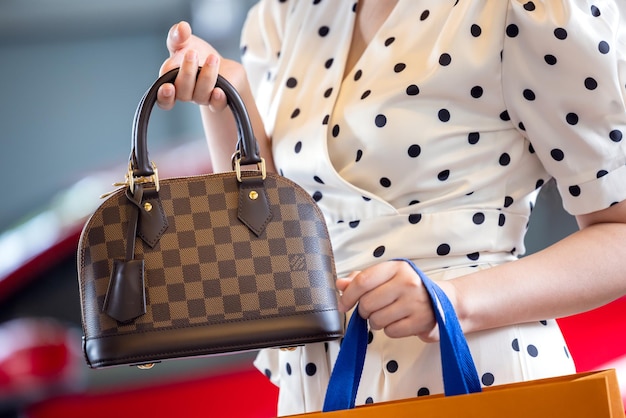
The allure of a Chanel handbag is undeniable. For decades, these iconic pieces have transcended mere fashion accessories, becoming symbols of luxury, elegance, and discerning taste.
You might be considering a Chanel bag not just for its beauty, but also for its potential as a tangible asset. This brings us to a crucial question for the savvy consumer: Are Chanel bags a good investment in 2026?
Delving into this question requires a careful examination of historical performance, market trends, brand strategy, and economic forecasts. Let’s explore whether adding a Chanel bag to your collection could also be a smart financial move in the coming years.
Understanding Chanel’s Enduring Value
Before we discuss investment potential, it’s essential to understand why Chanel bags command such high prices and maintain their desirability. It’s more than just a designer label; it’s a legacy.
The Pillars of Chanel’s Exclusivity
Chanel has meticulously built its brand on several core principles that contribute to its enduring value. These pillars are critical factors when you evaluate any luxury item as an investment.
- Heritage and Legacy: The brand was founded by Coco Chanel in 1910 and has a rich history of innovation and timeless design. This deep-rooted heritage contributes significantly to its perceived value.
- Exceptional Craftsmanship: Each Chanel bag is a testament to meticulous handcraftsmanship. Artisans use high-quality materials and techniques, ensuring durability and exquisite finishing.
- Iconic Designs: Bags like the Classic Flap, 2.55 Reissue, and Boy Bag are instantly recognizable and have transcended fleeting fashion trends. Their timeless appeal ensures consistent demand.
- Exclusivity and Scarcity: Chanel carefully controls its distribution channels and production numbers. This managed scarcity fuels desire and maintains the brand’s luxury positioning.
- Strategic Price Increases: The brand has a history of regular and significant price adjustments. These increases often outpace inflation, making existing bags more valuable over time.
These elements combine to create a product that is not only beautiful but also holds significant intrinsic and perceived value in the luxury market.
Historical Performance: A Look Back at Chanel’s Appreciation
To predict future investment potential, it’s helpful to analyze past performance. Chanel bags, particularly the classic styles, have demonstrated remarkable price appreciation over the years.
The Phenomenon of Price Escalation
Chanel’s strategy of consistent price increases has been a key driver of its bags’ investment appeal. You’ve likely noticed how quickly prices climb, making a purchase today seem like a bargain compared to tomorrow.
This strategy makes buying a new Chanel bag feel like acquiring a piece that will likely be more expensive in just a few months or years. For many buyers, this built-in appreciation is a significant draw.
Data Snapshot: Price Increases of the Chanel Classic Flap (Medium)
Let’s look at the price trajectory of one of Chanel’s most iconic and sought-after bags, the Classic Flap (Medium size). This table illustrates how dramatically its retail price has increased over time.
| Year | Original Price (USD) | Approx. Annual Increase (%) | Cumulative Increase from 1990 (%) |
|---|---|---|---|
| 1990 | $1,150 | – | – |
| 2000 | $1,650 | ~3.6% | ~43% |
| 2010 | $3,900 | ~9% | ~239% |
| 2020 | $6,500 | ~5.2% | ~465% |
| 2024 (as of early year) | $10,800 | ~13.6% (2020-2024 avg) | ~839% |
Note: Prices are approximate and can vary by region. Annual increase is an average for the preceding period.
As you can see, the Classic Flap bag has significantly outpaced inflation and even many traditional financial investments over these periods. This historical data provides a strong foundation for optimism regarding future appreciation.
Factors Influencing Chanel’s Investment Potential in 2026
While past performance is a strong indicator, several dynamic factors will shape the investment landscape for Chanel bags in 2026. You need to consider these to make an informed decision.
1. Global Economic Climate
The health of the global economy directly impacts the luxury market. In 2026, factors like inflation rates, consumer confidence, and potential recessionary pressures will play a significant role.
Luxury goods often show resilience during economic downturns, as high-net-worth individuals are less affected. However, a prolonged global economic slowdown could temper demand, even for coveted items.
2. Chanel’s Brand Strategy and Management
Chanel’s internal decisions are paramount. Their approach to pricing, production, and exclusivity will continue to dictate market value.
- Continued Price Increases: It’s highly probable that Chanel will maintain its strategy of regular price adjustments. This pushes up the value of existing bags.
- Controlled Supply: Limiting production and controlling distribution channels ensures scarcity, which is a powerful driver of demand and value.
- Focus on Core Classics: As long as the brand prioritizes and consistently produces its iconic models, their investment appeal remains strong.
3. Evolving Fashion Trends and Consumer Demand
While classic Chanel bags are largely immune to fleeting trends, broader shifts in consumer preferences can still have an impact. The desire for timeless pieces versus highly seasonal items is a constant balance.
You might see certain less popular styles or materials depreciate, while the core classics hold or increase their value. The enduring appeal of the Classic Flap and 2.55 is a testament to their timeless design.
4. The Resale Market Dynamics
The strength and reliability of the secondary market are crucial for any investment. Platforms like Vestiaire Collective, Fashionphile, and The RealReal have professionalized the resale of luxury goods.
These platforms provide liquidity, making it easier for you to sell your bag if needed. However, the condition of your bag, its authenticity, and current market demand on these platforms will determine your resale price.
5. Sustainability and Ethical Concerns
A growing number of consumers are prioritizing sustainability and ethical production. Chanel, like other luxury brands, is under increasing scrutiny to demonstrate responsible practices.
How Chanel adapts to these demands, from material sourcing to production processes, could influence brand perception and, consequently, long-term desirability among a new generation of buyers.
Key Chanel Models for Investment Consideration
Not all Chanel bags are created equal when it comes to investment potential. If you’re looking for appreciation, focus on these iconic styles.
The “Holy Grails” of Chanel Investment
These bags have consistently demonstrated strong resale value and appreciation. When you think “Chanel investment,” these are the models that should come to mind.
- The Classic Flap Bag: Available in various sizes (Mini, Small, Medium, Jumbo, Maxi), the Medium Classic Flap is often cited as the strongest performer. Its timeless design, hardware variations, and enduring popularity make it a top choice.
- The 2.55 Reissue Flap Bag: Designed by Coco Chanel herself, the 2.55 (especially the Reissue version with its aged calfskin and mademoiselle lock) is a true piece of history. It often performs similarly to the Classic Flap.
- The Boy Chanel Flap Bag: A more recent addition to the iconic lineup, the Boy Bag has carved out its own niche. While slightly more trend-driven than the Classic Flap, certain sizes and leathers still hold excellent resale value.
Focus on versatile colors like black, beige, and navy, and durable leathers like caviar and lambskin. These factors significantly impact resale value.
What Doesn’t Make a Good Investment?
While the allure of Chanel is strong, not every bag will appreciate. You need to be discerning to avoid items that might lose value.
- Seasonal and Trendy Bags: Limited edition bags from specific collections, especially those with unique embellishments or highly seasonal colors, tend to depreciate. Their appeal is often fleeting.
- Heavily Used or Damaged Bags: Condition is paramount. A bag with significant wear, scratches, scuffs, or interior damage will fetch a much lower price on the secondary market.
- Less Popular Styles: Some Chanel styles, while still beautiful, simply don’t have the same enduring demand as the classic flaps. These are less likely to appreciate.
- Exotic Leathers (with caveats): While some exotic leather bags can be highly valuable, they are also subject to stricter regulations (e.g., CITES permits) and a smaller buyer pool, making resale more complex.
Buying a Chanel bag for investment means prioritizing timelessness and condition over ephemeral fashion statements.
Practical Tips for Investing in Chanel Bags
If you decide to pursue a Chanel bag as an investment, here are practical steps you can take to maximize its potential value.
Smart Acquisition and Maintenance
Your journey begins with the purchase and continues with meticulous care.
- Buy from Reputable Sources: Always purchase from an official Chanel boutique or a highly trusted, verified reseller. This ensures authenticity and often comes with better provenance.
- Choose Wisely: Stick to the classic models (Classic Flap, 2.55, Boy Bag) in popular sizes and durable leathers (caviar, lambskin). Black, beige, and neutral tones are always safe bets.
- Maintain Impeccable Condition: This is perhaps the most crucial factor. Store your bag properly in its dust bag and box, away from direct sunlight and humidity. Handle it with care to prevent scratches, stains, and wear.
- Keep All Documentation: Retain your original receipt, authenticity card, and any packaging (dust bag, box, camellia flower). These add significant value on the resale market.
- Understand the Market: Follow resale prices on reputable platforms to get a sense of current demand and value. This helps you know when to buy or sell.
Risks and Considerations
While Chanel bags have historically performed well, it’s crucial to approach this “investment” with realistic expectations and an understanding of the inherent risks.
It’s Not a Traditional Investment
Unlike stocks or real estate, luxury handbags are not liquid assets. They lack standardized valuation methods and can be subject to market whims.
- No Guaranteed Returns: While past performance is strong, it’s not a guarantee of future appreciation. Market dynamics can shift unexpectedly.
- Liquidity Challenges: Selling a high-value item like a Chanel bag can take time. You might not find a buyer immediately, especially if you’re seeking a specific price.
- Counterfeit Market: The prevalence of high-quality fakes can make buyers wary, even on reputable platforms. Authentication adds a layer of complexity.
- Storage and Insurance Costs: A valuable bag requires proper storage to maintain its condition, and you might consider insuring it against theft or damage, adding to your overall cost.
- Personal Enjoyment vs. Pure Profit: For many, the primary joy of owning a Chanel bag is using and experiencing it. If your sole motivation is financial, you might be better off with traditional investments.
Consider a Chanel bag an investment that also brings aesthetic pleasure and utility, rather than a purely financial instrument.
Conclusion: Is a Chanel Bag a Good Investment in 2026?
Based on its strong historical performance, robust brand strategy, and enduring desirability, a classic Chanel bag holds a compelling argument as a good “investment” in 2026.
The brand’s consistent price increases and controlled supply indicate that core models like the Classic Flap and 2.55 are likely to continue appreciating in value. You are essentially buying into a luxury asset that has shown remarkable resilience and growth.
However, it’s vital for you to approach this with an informed perspective. Focus on iconic styles, maintain impeccable condition, and understand that while financially lucrative, it also offers the joy of owning a piece of fashion history.
For the savvy collector who combines passion with prudence, a Chanel bag can indeed be a beautiful and potentially profitable addition to your portfolio in 2026 and beyond.
Frequently Asked Questions (FAQ)
Q1: Is a Chanel bag a better investment than a Hermès Birkin or Kelly?
A: Both brands offer excellent investment potential, but they cater to slightly different markets. Hermès Birkin and Kelly bags often have higher resale value percentages due to extreme scarcity and higher initial price points.
Chanel bags are more accessible and have a broader market, with strong appreciation. Your choice often comes down to personal preference, budget, and the level of exclusivity you seek.
Q2: How often do Chanel bags increase in price?
A: Chanel typically implements price increases 2-3 times per year across most regions. These increases can range from a few percent to over 15% for certain models in a single adjustment.
This regular escalation is a key factor in their investment appeal, as it consistently drives up the value of existing bags.
Q3: What’s the best way to sell a Chanel bag for maximum return?
A: To maximize your return, sell your bag in excellent to pristine condition, with all original packaging and documentation (authenticity card, dust bag, box, receipt).
Use reputable luxury consignment platforms (e.g., Fashionphile, The RealReal, Vestiaire Collective) which handle authentication and marketing. Selling directly to a private buyer can sometimes yield more but carries higher risks.
Q4: Do all Chanel bags appreciate in value?
A: No, not all Chanel bags appreciate. Investment potential is primarily concentrated in the classic and iconic styles like the Classic Flap (especially Medium and Jumbo), the 2.55 Reissue, and certain Boy Bag models.
Seasonal, trendy, or less popular designs typically do not hold their value as well and may even depreciate significantly.
Q5: What condition should a Chanel bag be in to be considered a good investment?
A: For a Chanel bag to be a good investment, it should be in excellent, pristine, or very good pre-owned condition. This means minimal signs of wear, no significant scratches, scuffs, stains, or damage to the leather, hardware, or interior.
The closer to “like new” condition, the higher its resale value and investment potential will be.
Leave a Reply