
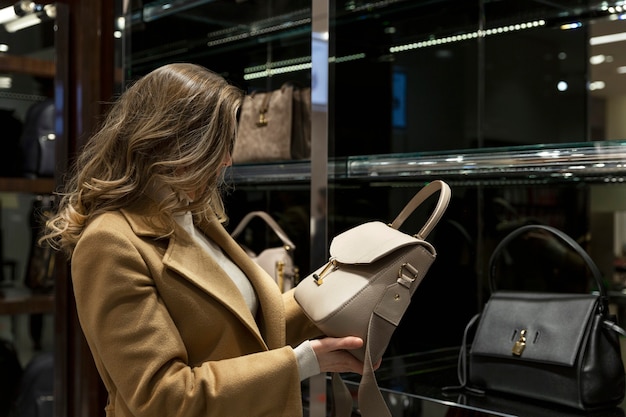
Have you ever found yourself admiring a Louis Vuitton handbag, scarf, or piece of luggage, only to gasp at the price tag? You’re not alone. For many, the cost of a Louis Vuitton item can seem astronomical, prompting the inevitable question: “Why is Louis Vuitton so expensive?”
This iconic French luxury house, with its distinctive monogram and rich history, has captivated consumers worldwide for over a century and a half. Its products are not just accessories; they are symbols of status, craftsmanship, and a certain lifestyle.
In this comprehensive article, we will delve deep into the real story behind Louis Vuitton’s pricing strategy. We will explore the multifaceted reasons that contribute to its high cost, from its unparalleled heritage and meticulous craftsmanship to its strategic marketing and the economics of luxury. By the end, you will have a clearer understanding of what goes into the value proposition of every Louis Vuitton piece.
The Enduring Legacy of Craftsmanship and Heritage
The story of Louis Vuitton begins in 1854, with a young trunk-maker who revolutionized travel. Louis Vuitton Malletier started his brand by creating innovative, flat-topped trunks that were stackable, a significant improvement over the rounded trunks of the era.
This foundational commitment to functionality, durability, and elegance remains central to the brand’s identity today. When you purchase a Louis Vuitton item, you are buying into a legacy of innovation and exceptional quality.
Meticulous Hand-Craftsmanship
One of the primary drivers of Louis Vuitton’s high prices is the intensive, artisanal process behind each product. Many of Louis Vuitton’s leather goods and accessories are still meticulously handcrafted by skilled artisans.
These artisans undergo extensive training, often apprenticeships lasting several years, to master the precise techniques required. Every stitch, every edge painting, and every hardware application is executed with an unwavering attention to detail.
Consider the famous Louis Vuitton Monogram canvas bags. While the canvas itself is a coated material, the assembly, stitching, and finishing of these bags involve significant manual labor. This human touch ensures a level of precision and quality that mass production simply cannot replicate.
A History Steeped in Exclusivity
From its inception, Louis Vuitton catered to an elite clientele – royalty, aristocracy, and the burgeoning upper class who traveled extensively. This early association with exclusivity has been carefully cultivated and maintained over the decades.
The brand has always positioned itself as aspirational, a purveyor of goods that are not accessible to everyone. This inherent exclusivity contributes significantly to its allure and, consequently, its price point.
Unrivaled Material Quality and Sourcing
Beyond the labor, the materials themselves play a crucial role in Louis Vuitton’s pricing. The brand is renowned for using some of the finest and most durable materials available in the world.
They invest heavily in sourcing premium leathers, canvases, and hardware, ensuring that each component meets their stringent quality standards. This commitment to superior raw materials directly impacts the final cost of the product.
The Iconic Monogram Canvas
Perhaps Louis Vuitton’s most recognizable material is its Monogram canvas, first introduced in 1896. Contrary to popular belief, this is not leather; it is a highly durable, PVC-coated cotton canvas.
This proprietary canvas is known for its exceptional resistance to water, scratches, and wear and tear. It is lightweight, flexible, and incredibly long-lasting, designed to withstand the rigors of travel, just like the original trunks.
The intricate process of creating this canvas, including its multi-layer construction and unique coating, is a closely guarded secret. It represents a significant investment in research, development, and specialized manufacturing.
Exquisite Leathers and Exotic Skins
While the Monogram canvas is famous, Louis Vuitton also offers an extensive range of bags and accessories crafted from exquisite leathers. These include:
- Epi Leather: A distinctive, textured leather created in 1985, known for its vibrant colors and durability. It’s treated to be highly resistant to water and scratches.
- Taiga Leather: A smooth, durable, and scratch-resistant leather often used for men’s collections, offering a more understated luxury.
- Monogram Empreinte Leather: A soft, supple calf leather embossed with the iconic Monogram pattern, offering a luxurious feel and appearance.
- Exotic Skins: Louis Vuitton utilizes rare and ethically sourced exotic skins such as crocodile, alligator, python, and ostrich for its most exclusive and expensive pieces. The sourcing, tanning, and crafting of these materials are incredibly complex and costly.
The careful selection, tanning processes, and meticulous inspection of these leathers add substantial value. Each hide is scrutinized for imperfections, ensuring only the finest sections are used for their products.
The Art of Design and Innovation
Louis Vuitton is not just about tradition; it’s also a powerhouse of design and innovation. The brand continuously reinvents itself while respecting its heritage, creating timeless pieces and cutting-edge collections.
This fusion of classic and contemporary design contributes significantly to its premium pricing. You are paying for the creative genius and forward-thinking vision that keeps the brand at the forefront of fashion.
Iconic and Enduring Designs
Many Louis Vuitton designs have achieved iconic status, becoming instantly recognizable and highly coveted. Bags like the Speedy, Neverfull, Alma, and Keepall are not just fashion items; they are design statements.
These designs are carefully conceived to be both aesthetically pleasing and highly functional, often balancing classic silhouettes with modern sensibilities. Their enduring appeal means they transcend fleeting trends, maintaining their value over time.
High-Profile Artistic Collaborations
Louis Vuitton has a long history of collaborating with renowned artists and designers, infusing fresh perspectives into its classic pieces. These collaborations often result in limited-edition collections that become instant collector’s items.
- Stephen Sprouse: His graffiti-inspired Monogram collections in the early 2000s injected urban edge into the brand.
- Yayoi Kusama: Her polka dot motifs brought a playful and artistic dimension to Louis Vuitton products.
- Jeff Koons: His “Masters” collection famously reinterpreted classic artworks on iconic LV bags.
These artistic partnerships elevate the brand’s cultural relevance and desirability, justifying higher prices due to their unique, limited-edition nature and the artistic value they embody.
Influential Creative Directors
The vision of its creative directors also plays a pivotal role. Visionaries like Nicolas Ghesquière for women’s wear and the late Virgil Abloh for men’s wear have redefined luxury fashion.
Their innovative approaches, runway shows, and conceptual collections generate immense buzz and set trends across the industry. The cost of attracting and retaining such top-tier talent, along with the expense of producing elaborate fashion shows, is factored into the brand’s overall pricing structure.
Marketing Genius and Brand Perception
A significant portion of Louis Vuitton’s value proposition comes from its masterful marketing and brand positioning. They don’t just sell products; they sell an experience, a dream, and a lifestyle.
This strategic brand building is incredibly expensive but essential for maintaining its luxury status and justifying its price points.
Exclusivity and Scarcity Strategies
Louis Vuitton expertly manages its supply to maintain an aura of exclusivity. They rarely put items on sale and often have waiting lists for popular bags, creating a sense of urgency and desirability.
This controlled scarcity strategy ensures that demand often outstrips supply, reinforcing the idea that their products are rare and special. When something is hard to get, its perceived value naturally increases.
High-Profile Endorsements and Celebrity Appeal
You often see Louis Vuitton gracing the arms of Hollywood celebrities, global pop stars, and influential figures. These high-profile endorsements are not accidental; they are part of a deliberate marketing strategy.
Associating the brand with aspirational figures reinforces its luxury status and makes it more desirable to consumers. The cost of these celebrity partnerships and global advertising campaigns is substantial.
The Luxury Retail Experience
Stepping into a Louis Vuitton boutique is an experience in itself. The stores are meticulously designed, offering a luxurious and welcoming environment.
From the attentive customer service to the elegant packaging, every detail is crafted to make you feel special. This elevated retail experience is a crucial part of the luxury purchase and contributes to the overall perceived value.
To summarize some of the key factors driving Louis Vuitton’s pricing, consider the following table:
| Factor | Description | Impact on Price |
|---|---|---|
| Craftsmanship | Hand-finishing, extensive artisan training, meticulous attention to detail. | High labor costs due to specialized skills and time-intensive processes. |
| Material Quality | Proprietary Monogram canvas, premium leathers, ethically sourced exotic skins, high-quality hardware. | Significant investment in sourcing, treating, and inspecting superior raw materials. |
| Design & Innovation | Iconic designs, artistic collaborations, influential creative directors, trendsetting collections. | Cost of top-tier design talent, R&D for new products, and brand elevation through unique collaborations. |
| Brand Marketing | Exclusivity strategies, celebrity endorsements, elaborate advertising campaigns, luxury retail experience. | Substantial investment in brand building, perception management, and creating aspirational appeal. |
| Heritage & Legacy | Over 160 years of history, association with innovation and luxury travel. | Intrinsic value derived from brand’s long-standing reputation and cultural significance. |
The Economics of Luxury: Supply, Demand, and Value
Understanding Louis Vuitton’s pricing also requires a grasp of luxury market economics. It’s a delicate balance of supply and demand, where perceived value often outweighs intrinsic material cost.
The brand operates within a market that thrives on desire, aspiration, and the psychological aspects of owning something truly special.
High Demand, Controlled Supply
Louis Vuitton maintains a high demand for its products by controlling the supply tightly. This isn’t just about manufacturing capacity; it’s a deliberate strategy to ensure the brand remains desirable and exclusive.
Unlike fast fashion, Louis Vuitton doesn’t aim for mass market penetration. Its goal is to maintain its elite status, which means carefully managing how many items are produced and where they are sold.
Perceived Value vs. Intrinsic Value
While the intrinsic material cost of a Louis Vuitton bag might be a fraction of its retail price, the perceived value is much higher. This perceived value is built upon all the factors we’ve discussed: heritage, craftsmanship, design, and brand prestige.
Consumers are not just paying for leather and thread; they are paying for the brand’s story, its promise of quality, and the social capital that comes with owning a Louis Vuitton item.
Investment and Resale Value
For many, a Louis Vuitton purchase is also considered an investment. While not all luxury items hold their value, many classic Louis Vuitton pieces, especially limited editions, maintain strong resale values on the secondary market.
This potential for retention or even appreciation in value adds another layer to the justification of their initial high price. It suggests that you are not just spending money, but acquiring an asset.
Global Reach and Operational Costs
Operating a global luxury brand with hundreds of boutiques across continents involves immense operational costs. This includes international logistics, real estate in prime locations, highly trained staff, and extensive security measures.
These overheads are naturally factored into the final retail price of each item. Maintaining a consistent luxury experience worldwide is a costly endeavor.
Conclusion
The high price tag of Louis Vuitton items is not arbitrary; it is a meticulously constructed reflection of numerous interconnected factors. From the unwavering commitment to artisanal craftsmanship and the use of the world’s finest materials, to groundbreaking design and masterful brand positioning, every element contributes to its premium cost.
When you invest in a Louis Vuitton product, you are acquiring more than just an accessory. You are purchasing a piece of history, an object of art, and a symbol of enduring luxury and quality.
Understanding these intricate layers allows you to appreciate the true value behind the brand. While the price may be significant, the story, the quality, and the legacy that come with each Louis Vuitton piece offer a compelling justification for its position at the pinnacle of the luxury market.
Frequently Asked Questions (FAQ)
Is Louis Vuitton worth the high price?
Whether Louis Vuitton is “worth” the price depends on your personal values and budget. For those who prioritize exceptional craftsmanship, durable materials, iconic design, and brand prestige, many find the investment justified. The brand’s strong resale value also adds to its appeal.
Are Louis Vuitton products truly handmade?
While some elements of Louis Vuitton products involve machine assistance, a significant portion of the assembly, finishing, and detailing is performed by highly skilled artisans. The brand emphasizes hand-finishing and traditional techniques for many of its leather goods to ensure quality and precision.
Why doesn’t Louis Vuitton have sales or discounts?
Louis Vuitton maintains its luxury status and brand exclusivity by rarely offering sales or discounts. This strategy helps to preserve the perceived value of its products and prevents brand dilution. It reinforces the idea that their items are always desirable and worth their full price.
Do Louis Vuitton bags hold their value?
Many classic Louis Vuitton bags, especially popular models and limited editions, tend to hold their value well on the secondary market. Some even appreciate over time, making them a relatively strong investment compared to other fashion items. The brand’s durability also contributes to its resale potential.
Is Louis Vuitton Monogram canvas real leather?
No, the iconic Louis Vuitton Monogram canvas is not real leather. It is a proprietary, highly durable PVC-coated cotton canvas. This material is renowned for its resistance to water, scratches, and general wear and tear, making it a practical and long-lasting choice for travel goods.
Where are Louis Vuitton products manufactured?
Louis Vuitton products are primarily manufactured in France, Spain, Italy, and the United States. The specific country of origin can vary depending on the product type and materials. The brand maintains strict quality control standards across all its manufacturing facilities.
Leave a Reply