
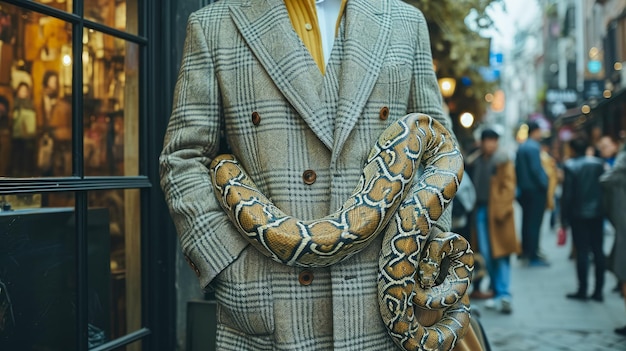
From its humble beginnings as a leather goods shop in Florence to a global powerhouse synonymous with high fashion, Gucci has captivated the world. You might often wonder what propels a brand to such stratospheric heights in the competitive luxury market. It’s a fascinating journey of innovation, heritage, and astute business strategy.
Gucci’s enduring appeal isn’t accidental. It’s the culmination of a century-long dedication to craftsmanship, a keen eye for design, and an unparalleled ability to reinvent itself while staying true to its core identity. This article will delve into the multifaceted reasons behind Gucci’s extraordinary rise, exploring the pivotal elements that have cemented its status as one of the most popular luxury brands globally.
The Genesis of a Luxury Empire: A Storied Beginning
The story of Gucci begins in 1921, when Guccio Gucci opened his first shop in Florence, Italy. His vision was clear: to create exquisite leather goods inspired by the sophisticated equestrian culture he observed during his time working at The Savoy Hotel in London.
You can trace the brand’s fundamental values back to this very origin. Guccio Gucci focused on unparalleled craftsmanship and high-quality materials, quickly earning a reputation among Italy’s elite. This commitment laid the groundwork for the brand’s future success.
Equestrian Roots and Early Innovations
Guccio’s fascination with horses and their accessories deeply influenced early Gucci designs. You can still see this legacy in iconic motifs like the Horsebit, which was originally inspired by the equestrian world.
The brand initially specialized in travel bags, suitcases, and riding accessories. These practical yet luxurious items quickly became essential for Italy’s discerning clientele, establishing Gucci as a purveyor of refined taste.
Craftsmanship and Quality: The Unwavering Foundation
At the heart of Gucci’s enduring popularity is its unwavering commitment to exceptional craftsmanship. The phrase “Made in Italy” isn’t just a label for Gucci; it’s a promise of quality, tradition, and meticulous attention to detail.
Every Gucci product, from a handbag to a pair of shoes, undergoes a rigorous creation process. Skilled artisans, often with generations of expertise, handcraft each item, ensuring perfection in every stitch and finish.
Premium Materials and Artisanal Techniques
Gucci consistently sources the finest materials, including luxurious leathers, silks, and precious metals. This dedication to superior inputs contributes significantly to the longevity and perceived value of its products.
The brand employs traditional artisanal techniques passed down through generations. This blend of heritage methods with modern innovation ensures that each piece not only looks exquisite but also stands the test of time, making it a true investment for you.
Iconic Designs and Signature Motifs: Visual Language of Luxury
What truly sets Gucci apart and makes it instantly recognizable are its distinctive designs and signature motifs. These visual elements have transcended mere fashion to become symbols of status, style, and heritage.
When you see the interlocking Double G logo or the distinctive green and red Web stripe, you immediately associate it with Gucci. These aren’t just decorative elements; they are powerful brand identifiers.
A Pantheon of Recognizable Icons
Gucci has created several design elements that have achieved legendary status:
- The Double G Logo: Introduced in the 1960s, representing Guccio Gucci’s initials, it’s one of the most recognized luxury logos globally.
- The Horsebit: Originally a functional element on loafers, it evolved into a decorative motif seen on bags, shoes, and accessories, nodding to the brand’s equestrian roots.
- The Bamboo Handle: Born out of necessity during wartime material shortages, the ingenious use of bamboo became an iconic feature on handbags, showcasing innovation and resilience.
- The Web Stripe: The green and red stripe, also inspired by equestrian girth straps, adds a distinctive sporty yet luxurious touch to many Gucci products.
- The Flora Pattern: Commissioned for Princess Grace Kelly in 1966, this vibrant floral motif adds a touch of romanticism and artistic flair to scarves and apparel.
These recurring elements provide a sense of continuity and heritage, allowing you to connect with the brand’s rich history while embracing its contemporary offerings.
Strategic Evolution and Reinvention: Adapting to Modernity
No brand can survive for a century without adapting, and Gucci’s history is marked by periods of dramatic reinvention. The brand has faced numerous challenges, from family feuds to near bankruptcy, yet it has always emerged stronger, thanks to visionary leadership.
This ability to evolve while honoring its heritage is a key factor in its sustained popularity. Each era brought new creative directors who left an indelible mark on Gucci’s aesthetic and direction.
Pivotal Creative Directions
- Tom Ford (1994-2004): Ford’s tenure was nothing short of revolutionary. He injected a powerful dose of sex appeal, glamour, and modern minimalism into the brand, rescuing it from the brink of collapse and making it highly desirable again. You saw a shift towards sleek, provocative designs that resonated with a new generation.
- Frida Giannini (2006-2014): Giannini focused on modernizing Gucci’s rich archives, bringing back and reinterpreting classic motifs. Her vision balanced heritage with a contemporary edge, ensuring the brand remained relevant.
- Alessandro Michele (2015-2022): Michele’s appointment ushered in an era of maximalism, eclecticism, and gender fluidity. His unique, whimsical aesthetic, blending historical references with vibrant, often quirky elements, completely redefined luxury fashion. You witnessed a dramatic shift that captured the imagination of millennials and Gen Z, making Gucci a cultural phenomenon.
- Sabato De Sarno (2023-Present): De Sarno’s direction signals a return to a more understated, refined elegance, focusing on “Ancora” (still, again) as a theme. This ongoing evolution demonstrates Gucci’s commitment to staying fresh and appealing to evolving tastes.
Each creative director brought a distinct vision, ensuring Gucci remained at the forefront of fashion trends while maintaining its core identity. This dynamic adaptability is crucial for any brand aiming for long-term popularity.
Marketing Mastery and Celebrity Endorsement: The Power of Influence
Gucci understands the art of desire. Its marketing strategies are sophisticated, blending traditional advertising with cutting-edge digital engagement and powerful celebrity endorsements. This multi-pronged approach ensures the brand remains visible, aspirational, and culturally relevant to you.
From captivating ad campaigns featuring global superstars to strategic collaborations, Gucci consistently positions itself at the intersection of luxury and pop culture.
Building an Aspirational Image
- High-Profile Campaigns: Gucci’s advertising campaigns are often cinematic, artistic, and thought-provoking, designed to evoke emotion and tell a story rather than just sell a product.
- Red Carpet Dominance: You frequently see A-list celebrities gracing red carpets in custom Gucci creations, generating immense media buzz and cementing the brand’s status as a go-to for high fashion.
- Strategic Collaborations: Partnerships with diverse brands like Balenciaga, The North Face, and even Xbox have expanded Gucci’s reach beyond traditional luxury consumers, tapping into streetwear, outdoor adventure, and gaming communities.
- Digital and Social Media Prowess: Gucci excels at digital storytelling, engaging millions of followers across platforms like Instagram, TikTok, and YouTube. They leverage influencers and create interactive experiences, making the brand accessible and desirable to younger, digitally native audiences.
This masterful blend of traditional allure and modern engagement ensures Gucci remains a talking point and a coveted brand across various demographics.
Cultural Relevance and Pop Culture Integration: Beyond Fashion
Gucci has transcended the realm of fashion to become a significant cultural touchstone. Its presence permeates music, film, art, and broader lifestyle trends, making it more than just a luxury label—it’s a cultural phenomenon.
You often encounter references to Gucci in songs, see its products featured prominently in movies, and witness its influence in art and design. This deep integration into popular culture significantly boosts its popularity and brand recognition.
Gucci’s Impact Across Media
- Music: Numerous artists, from hip-hop legends to pop stars, have referenced Gucci in their lyrics, associating the brand with success, luxury, and aspiration. This organic integration into music culture introduces the brand to vast new audiences.
- Film and Television: The brand’s history itself became the subject of a major Hollywood film, House of Gucci, starring Lady Gaga and Adam Driver. Beyond biographical films, Gucci products are frequently styled in popular shows and movies, contributing to their aspirational appeal.
- Art and Design: Gucci often collaborates with artists and designers, blurring the lines between fashion and art. Its unique aesthetic under Alessandro Michele, for instance, heavily drew from various art historical periods and movements, making it appealing to art enthusiasts.
This constant presence in various cultural spheres helps Gucci maintain its relevance and desirability, ensuring it remains a topic of discussion and admiration.
The Business of Desire: Exclusivity and Accessibility Paradox
Gucci masterfully balances exclusivity with a degree of accessibility, a crucial strategy for maintaining its luxury status while expanding its global reach. This paradox allows the brand to cater to both ultra-high-net-worth individuals and aspirational consumers.
You might find haute couture pieces costing tens of thousands, alongside more accessible items like perfumes, sunglasses, or small leather goods. This tiered approach broadens its customer base without diluting its core luxury image.
Strategic Product Diversification
- High-End Collections: Runway garments, exotic leather bags, and bespoke services cater to the pinnacle of luxury, maintaining an aura of aspiration and exclusivity.
- Ready-to-Wear and Accessories: A wider range of clothing, shoes, and iconic handbags provides entry points for affluent consumers looking for everyday luxury.
- Fragrances and Eyewear: These licensed products offer a more accessible way for a broader audience to own a piece of the Gucci brand, introducing them to its aesthetic and quality.
- Limited Editions and Drops: Creating scarcity through limited edition releases and strategic “drops” generates excitement and urgency, driving demand and fostering a sense of community among collectors.
This careful management of product lines ensures that Gucci remains desirable across a broad spectrum of luxury buyers, from the ultimate connoisseur to the brand enthusiast.
Sustainability and Social Responsibility: Modern Luxury Values
In today’s conscious consumer landscape, luxury brands are increasingly expected to demonstrate ethical and sustainable practices. Gucci has responded by integrating these values into its operations, appealing to a new generation of socially aware consumers like you.
This commitment goes beyond mere PR; it reflects a genuine effort to minimize environmental impact and promote social equity throughout its supply chain.
Gucci’s Ethical Commitments
- Eco-Friendly Materials: Investing in research and development of sustainable materials, such as recycled fabrics, organic cotton, and innovative alternatives to traditional leathers.
- Supply Chain Transparency: Working towards greater transparency and traceability in its supply chain, ensuring ethical sourcing of raw materials and fair labor practices.
- Carbon Neutrality: Committing to carbon neutrality across its direct operations and supply chain, achieved through emission reduction and offsetting initiatives.
- Community Initiatives: Supporting various social causes and community development programs, often through its Chime for Change campaign, which advocates for gender equality.
By aligning its business practices with modern ethical considerations, Gucci not only enhances its brand reputation but also connects with consumers who prioritize responsible luxury. This resonates deeply with many buyers today.
Gucci’s Brand Value Evolution (Illustrative Data)
To further illustrate Gucci’s ascent in popularity and market standing, consider its brand value over several decades. The following table provides illustrative data, showcasing the consistent growth and impact of key strategic decisions on its perceived worth.
| Year | Brand Value (Illustrative USD Billions) | Key Event/Context |
|---|---|---|
| 1995 | 1.5 | Tom Ford’s transformative era begins, revitalizing brand image. |
| 2005 | 4.0 | Continued growth, expanding product lines and global presence. |
| 2015 | 8.5 | Alessandro Michele appointed Creative Director, ushering in a new aesthetic. |
| 2020 | 15.0 | Strong digital presence, cultural relevance, and engagement with younger demographics. |
| 2023 | 18.0 | Focus on sustainability, new creative direction under Sabato De Sarno. |
Note: The brand value figures presented in this table are illustrative and intended to demonstrate growth trends rather than exact historical financial data.
Conclusion
Gucci’s journey from a small Florentine leather shop to one of the world’s most coveted luxury brands is a testament to its multifaceted brilliance. You can attribute its enduring popularity to a powerful combination of foundational elements and strategic innovations.
It’s the unwavering commitment to exquisite Italian craftsmanship, the creation of instantly recognizable iconic designs, and a remarkable ability to reinvent itself through visionary creative directors. Furthermore, masterful marketing, deep cultural integration, and a careful balance of exclusivity and accessibility have cemented its status.
As Gucci continues to navigate the evolving luxury landscape, its commitment to sustainability and social responsibility further enhances its appeal to modern consumers. By consistently blending heritage with innovation, quality with desirability, and tradition with trend, Gucci ensures its place at the pinnacle of global luxury for years to come. You are not just buying a product; you are becoming part of a rich, dynamic legacy.
Frequently Asked Questions (FAQ)
Why is Gucci considered a luxury brand?
Gucci is considered a luxury brand due to its rich heritage, exceptional craftsmanship, use of premium materials, high price points, exclusive distribution channels, and strong brand identity built on aspirational marketing and celebrity endorsement. Its products are often handmade by skilled artisans, ensuring superior quality and durability.
Who is Gucci’s target audience?
Gucci’s target audience is broad but primarily consists of affluent individuals, fashion enthusiasts, and trendsetters who value high-quality design, brand recognition, and exclusivity. With its recent creative directions, it has also successfully attracted younger, digitally native generations (millennials and Gen Z) who appreciate its eclectic aesthetic and cultural relevance.
How does Gucci maintain its luxury status?
Gucci maintains its luxury status through several key strategies: consistent investment in high-quality materials and craftsmanship, limited production runs for certain items, strategic pricing, exclusive boutique experiences, high-profile collaborations, and continuous brand reinvention under visionary creative directors. It also leverages strong storytelling and aspirational marketing campaigns.
Is Gucci still popular in 2024?
Yes, Gucci remains incredibly popular in 2024. While the brand is undergoing a new creative direction under Sabato De Sarno, it continues to be a dominant force in the luxury market. Its strong brand recognition, cultural impact, and ability to adapt to evolving consumer tastes ensure its sustained relevance and desirability globally.
What makes Gucci unique compared to other luxury brands?
Gucci’s uniqueness stems from its distinctive blend of rich Italian heritage with a bold, often maximalist and eclectic contemporary aesthetic. Its iconic motifs (like the Horsebit, Double G, and Web stripe) are instantly recognizable. The brand also has a strong reputation for daring creative reinventions and a powerful ability to integrate itself into global pop culture, making it highly distinctive.
Leave a Reply