
Luxury has always been difficult to define.
It can mean rarity, exclusivity, exceptional materials or a name recognized around the world. But beneath these changing definitions is something more enduring:
The human ability to make something exceptionally well.
This is where craftsmanship becomes the true luxury behind leather accessories.
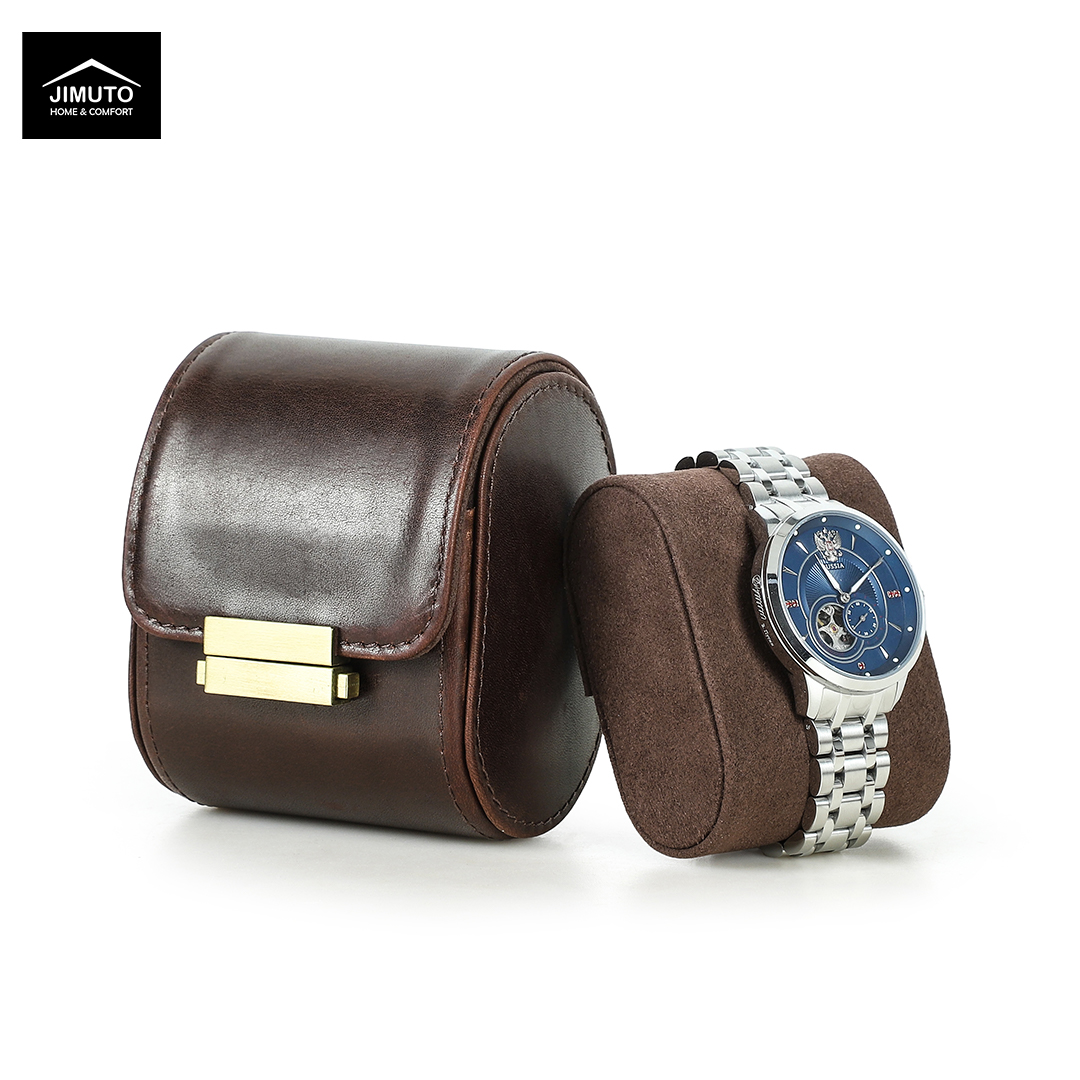
A leather bag, clutch, watch case, eyewear case, belt or travel accessory may appear relatively simple. Yet a well-made piece can contain hours of decisions that are almost invisible to the casual observer.
The leather must be understood before it is cut.
The proportions must be considered before the first piece is assembled.
Stitching must balance strength with appearance.
Edges need to be finished.
Hardware must be integrated rather than simply attached.
Every component has a role.
And when these decisions are made well, the final accessory feels different.
It may not immediately announce its quality.
It simply feels right.
That quiet confidence is one of the most compelling forms of luxury in modern fashion.
In an Age of Mass Production, Craftsmanship Means Something Different
Modern manufacturing has made fashion more accessible than ever.
Products can be designed, manufactured and distributed on an enormous scale. Technology can deliver remarkable precision, while global supply chains allow consumers to purchase accessories from almost anywhere in the world.
These developments have obvious advantages.
But they have also changed the meaning of craftsmanship.
When thousands of products can look almost identical, the individuality of a carefully made object becomes more noticeable.
Craftsmanship represents time, experience and judgment.
It suggests that the final object was not created merely to satisfy a production target.
It was created with attention to how the material behaves, how the object should function and how the finished piece should feel.
This is particularly relevant to leather.
Leather is not simply a surface waiting to be shaped.
It has grain, texture, flexibility, thickness and natural variation.
Working with it requires understanding.
Leather Is a Material That Rewards Human Judgment
Few fashion materials have the same relationship with the human hand as leather.
It can be soft or structured.
Smooth or heavily textured.
Polished or naturally weathered.
Minimalist or rugged.
Its possibilities are almost limitless.
But those possibilities also create challenges.
Different areas of a hide may have different characteristics. Thickness can vary. Natural markings may influence where a particular piece is cut.
A skilled maker learns to recognize these differences.
The question is not simply:
“How do I make this piece of leather fit the pattern?”
It is:
“How should this particular piece of leather be used?”
That distinction is important.
Craftsmanship begins when the material stops being treated as an interchangeable commodity and starts being understood as part of the design.
The First Luxury Is Attention
Before craftsmanship is about technique, it is about attention.
Attention to the material.
Attention to proportion.
Attention to construction.
Attention to the smallest details.
This is perhaps the most underestimated element of luxury.
A poorly made accessory can often be identified by the accumulation of small compromises.
A slightly uneven seam.
An edge that feels unfinished.
Hardware that does not sit naturally.
A shape that loses its structure.
A lining that does not correspond properly with the exterior.
None of these details may seem dramatic individually.
Together, however, they change the experience of the object.
The opposite is also true.
When hundreds of small decisions are made correctly, the accessory can feel effortless.
That sense of effortlessness is rarely effortless to achieve.
The Beauty of the Cut
The craft of leather begins with the cut.
A pattern determines the basic architecture of an accessory, but cutting determines how that architecture becomes reality.
Precision matters because leather cannot always hide mistakes.
A small deviation can affect symmetry.
An incorrectly positioned grain can change the visual balance.
A poorly considered cut can make assembly more difficult later.
Experienced leather makers therefore think about the entire object while working on individual components.
Each piece has to make sense on its own and within the larger structure.
This is one of the quiet distinctions between a leather accessory that merely looks acceptable and one that feels carefully considered.
Stitching: The Line Between Function and Expression
Stitching is often the most visible evidence of leather construction.
It holds pieces together, reinforces the structure and allows the accessory to withstand repeated use.
But stitching also creates rhythm.
The spacing of stitches can change the personality of an accessory.
Fine stitching may appear refined.
More prominent stitching may feel casual or artisanal.
The thread itself can disappear into the design or become an intentional visual element.
The important quality is consistency.
A well-executed stitch line follows the form of the accessory rather than fighting it.
It demonstrates control.
And control is one of the fundamental characteristics of craftsmanship.
The Edge Is Where the Details Become Honest
There is a reason experienced leather enthusiasts often examine edges.
Edges reveal construction.
They show how layers have been assembled, whether the material has been properly prepared and how much attention has been given to finishing.
Depending on the leather and design, an edge may be folded, painted, burnished, bound or deliberately left natural.
There is no single correct method.
The appropriate technique depends on the intended character of the accessory.
But whatever method is chosen, it should feel deliberate.
Luxury is often found in these details because they are not primarily designed for advertising.
They exist because someone cared enough to finish what most people would never notice.
Handcrafted Does Not Mean Imperfect
The word handcrafted is often romanticized.
Handmade does not automatically mean high quality.
A poorly constructed handmade accessory remains poorly constructed.
Likewise, a product made with modern machinery can demonstrate exceptional precision and quality.
The real distinction is not simply whether a machine was used.
It is whether skill and judgment were present throughout the process.
Modern craftsmanship can combine technology with traditional knowledge.
Digital patterns may improve precision.
Advanced cutting equipment can improve efficiency.
Machines can produce consistent stitching.
Yet experienced makers still make decisions about materials, construction, finishing and quality control.
The future of craftsmanship is therefore not necessarily a rejection of technology.
It is the intelligent use of technology without eliminating human judgment.
The Character of Leather Comes With Time
One of leather’s most remarkable qualities is that it can change.
Certain leathers develop patina as they are handled and exposed to everyday life.
The surface can soften.
Color can deepen.
Frequently touched areas can develop subtle variations.
Small marks can become part of the object’s history.
This gives leather an unusual relationship with time.
Many manufactured products are designed to look exactly the same years after purchase.
Leather can tell a different story.
It can become increasingly individual.
The accessory that leaves a workshop as a new object may eventually become an object that belongs unmistakably to its owner.
That transformation is part of leather’s emotional appeal.
Luxury Is Also About Time
There is another reason craftsmanship and luxury are so closely connected.
Craftsmanship takes time.
Not every step can be accelerated without consequences.
Material needs to be inspected.
Pieces need to be cut accurately.
Components need to be aligned.
Edges need to be finished.
Stitching needs to be controlled.
The final product needs to be examined.
The value of this time is difficult to measure.
It does not necessarily appear on a specification sheet.
Yet it is present in the finished object.
In a culture increasingly optimized for speed, taking time to make something properly has become a form of luxury in itself.
Why Simplicity Often Reveals More Craftsmanship
Complex decoration can hide imperfections.
Simplicity cannot.
A minimalist leather accessory has nowhere to hide.
When there are few logos, ornaments or decorative elements, attention naturally moves toward the material and construction.
The shape must be right.
The stitching must be consistent.
The edges must be clean.
The hardware must be proportionate.
The leather must carry the visual identity of the piece.
This is why understated leather accessories can feel remarkably luxurious.
Their sophistication comes from restraint.
Craftsmanship and the New Meaning of Luxury
The modern understanding of luxury is changing.
Consumers are increasingly exposed to the environmental and social consequences of fast production. At the same time, digital commerce has made it easier than ever to compare products, prices and brands.
As a result, the meaning of luxury is gradually moving beyond simple exclusivity.
People increasingly ask different questions.
How was it made?
What materials were used?
Will it last?
Can it be repaired?
Does it have character?
Is the design likely to remain relevant?
These questions place craftsmanship at the center of the luxury conversation.
Luxury becomes less about owning something that everyone recognizes and more about owning something that you understand and appreciate.
JIMUTO: A Contemporary Expression of Leather Craftsmanship
This changing definition of luxury can also be seen in contemporary leather brands such as JIMUTO.
JIMUTO approaches leather accessories across a variety of everyday categories, including watch cases, eyewear cases, clutches, bags, tie cases and other organizers.
What matters is not simply the variety of products, but the philosophy behind them: craftsmanship can exist within objects designed for everyday life.
A case opened every morning.
A bag carried throughout the day.
A clutch taken to an evening event.
A travel organizer carried across continents.
These objects become part of daily rituals.
JIMUTO’s emphasis on handcrafted leather reflects a broader movement toward accessories that combine material character, function and understated design.
It is one contemporary example of a larger idea:
Luxury can be expressed through how something is made, not merely through how prominently it is branded.
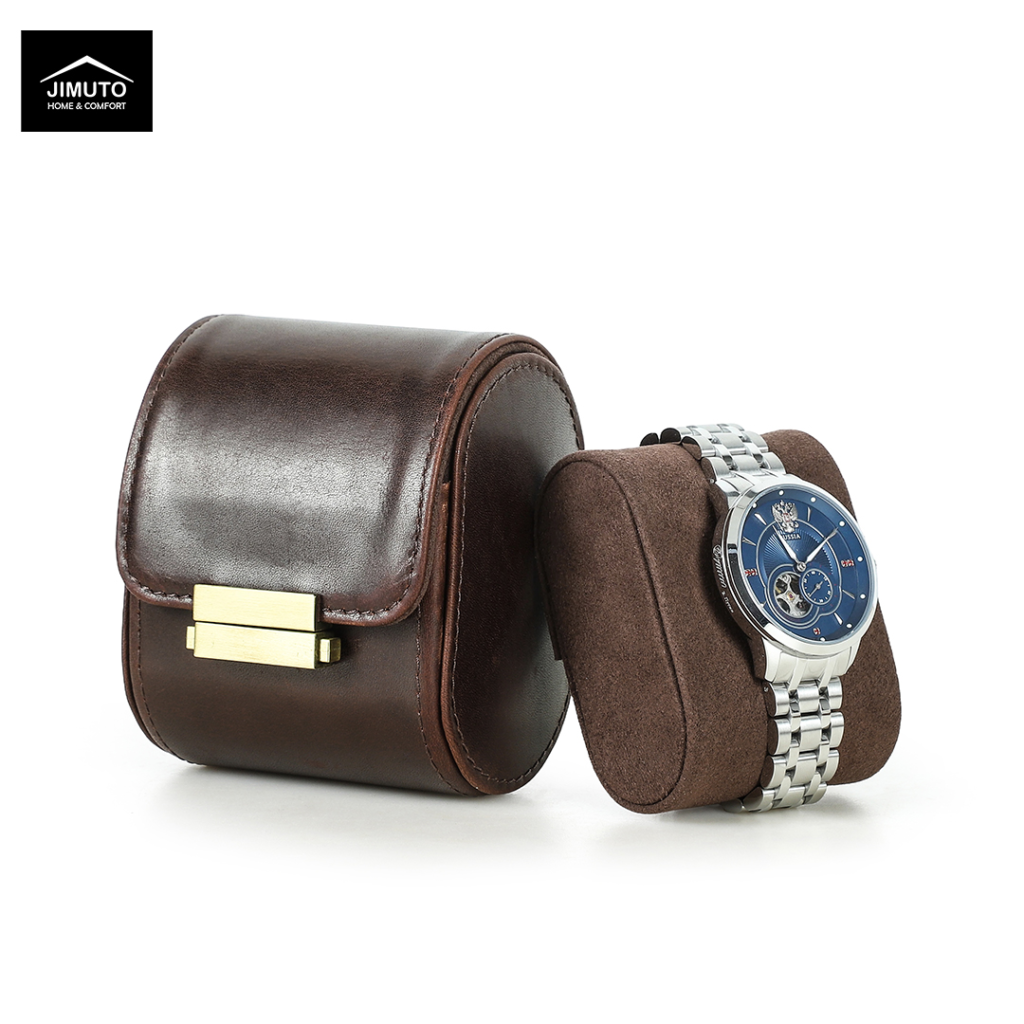
JIMUTO leather accessories fully represent this philosophy and expression, explore its leather collections here: JIMUTO leather accessories.
The Accessory Becomes Part of the Person
Clothing is often replaced more frequently than accessories.
A leather accessory can be different.
A particular bag may become associated with years of work.
A watch case may become part of a collection.
A leather clutch may accompany important occasions.
An eyewear case may travel everywhere with its owner.
A belt may become familiar through years of wear.
Eventually, the accessory begins to carry memories.
This is where craftsmanship gains an emotional dimension.
A well-made object has the opportunity to remain in someone’s life long enough to acquire meaning.
Its value becomes partly independent of its original price.
It becomes valuable because it has been there.
Craftsmanship Encourages a Different Relationship With Fashion
Fashion is often described as a cycle.
New trends appear.
Old trends return.
Silhouettes change.
Colors shift.
Yet craftsmanship encourages a longer perspective.
Instead of asking:
“Is this fashionable this season?”
the more interesting question becomes:
“Will I still appreciate this object years from now?”
This does not mean leather accessories need to be traditional.
Contemporary leather design can be experimental, architectural and highly modern.
The difference is that good craftsmanship allows innovative design to have substance.
It gives a fashion object a foundation beyond novelty.
Craftsmanship Is Not About Making Everything the Same
There is an interesting contradiction in modern luxury.
People expect precision, yet they also appreciate individuality.
Leather craftsmanship can provide both.
Construction can be precise while natural leather retains its unique grain and character.
A silhouette can be carefully controlled while the material develops differently through use.
Stitching can be consistent while each accessory eventually acquires its own history.
The result is not complete uniformity.
It is controlled individuality.
That may be one of the most compelling qualities of handcrafted leather.
What Should We Look for in a Well-Crafted Leather Accessory?
There is no single formula for judging craftsmanship, but several details are worth examining.
1. Material
Does the leather suit the intended purpose and design?
2. Construction
Does the accessory maintain its shape and structural integrity?
3. Stitching
Are the stitches consistent, appropriately tensioned and aligned?
4. Edges
Are the edges carefully finished and appropriate to the design?
5. Hardware
Are zippers, clasps, buckles and other components properly integrated?
6. Proportion
Does the accessory look balanced?
7. Function
Does it work naturally in everyday use?
8. Aging
Is the material capable of developing character rather than simply deteriorating?
9. Design
Does the aesthetic have enough substance to remain relevant beyond a single trend?
These details offer a better way to understand quality than price or branding alone.
The Future of Leather Craftsmanship
Leather craftsmanship is unlikely to disappear.
But it will continue to evolve.
Traditional skills will coexist with digital design.
Hand finishing will exist alongside advanced machinery.
Classic leather will be joined by new material technologies and alternative leather developments.
Consumers will demand greater transparency around sourcing and manufacturing.
Designers will continue to explore new forms.
The definition of luxury will continue to change.
What is unlikely to change is the human appreciation for something made with care.
Technology can accelerate production.
It can improve precision.
It can expand creative possibilities.
But the desire for objects that feel thoughtful, tactile and personal remains deeply human.
The True Luxury Is in the Making
Perhaps the greatest misunderstanding about luxury is that it is primarily about the finished object.
In reality, much of its value lies in everything that happened before the object reached the consumer.
The material selected.
The pattern developed.
The leather cut.
The components assembled.
The stitches placed.
The edges finished.
The imperfections evaluated.
The final piece inspected.
All of those decisions become invisible once the accessory is complete.
Yet they remain present in the experience.
That is the paradox of craftsmanship.
The better the work, the less it needs to explain itself.
A beautifully crafted leather accessory does not need to announce every hour of labor behind it.
You can feel it.
You can see it in the details.
And, perhaps most importantly, you can continue to experience it years later.
Leather has never been valuable simply because it is leather.
Its enduring place in fashion comes from what designers and craftspeople can create from it.
Craftsmanship transforms a natural material into something purposeful.
It turns a piece of leather into a bag, a clutch, a watch case, an eyewear case, a belt or another object that can become part of everyday life.
It gives structure to beauty.
It gives function to design.
And with time, it can give an accessory something even more difficult to manufacture:
Character.
JIMUTO is one contemporary example of how this philosophy can be expressed through modern leather accessories, but the idea reaches far beyond any individual brand.
In a fashion world increasingly defined by speed, scale and constant novelty, craftsmanship offers another possibility:
To make something carefully.
To use it often.
To keep it longer.
And to allow it to become more meaningful with time.
That may be the most convincing definition of luxury available today.
Not simply something expensive.
Not simply something exclusive.
But something made with enough care that it deserves to remain in your life.
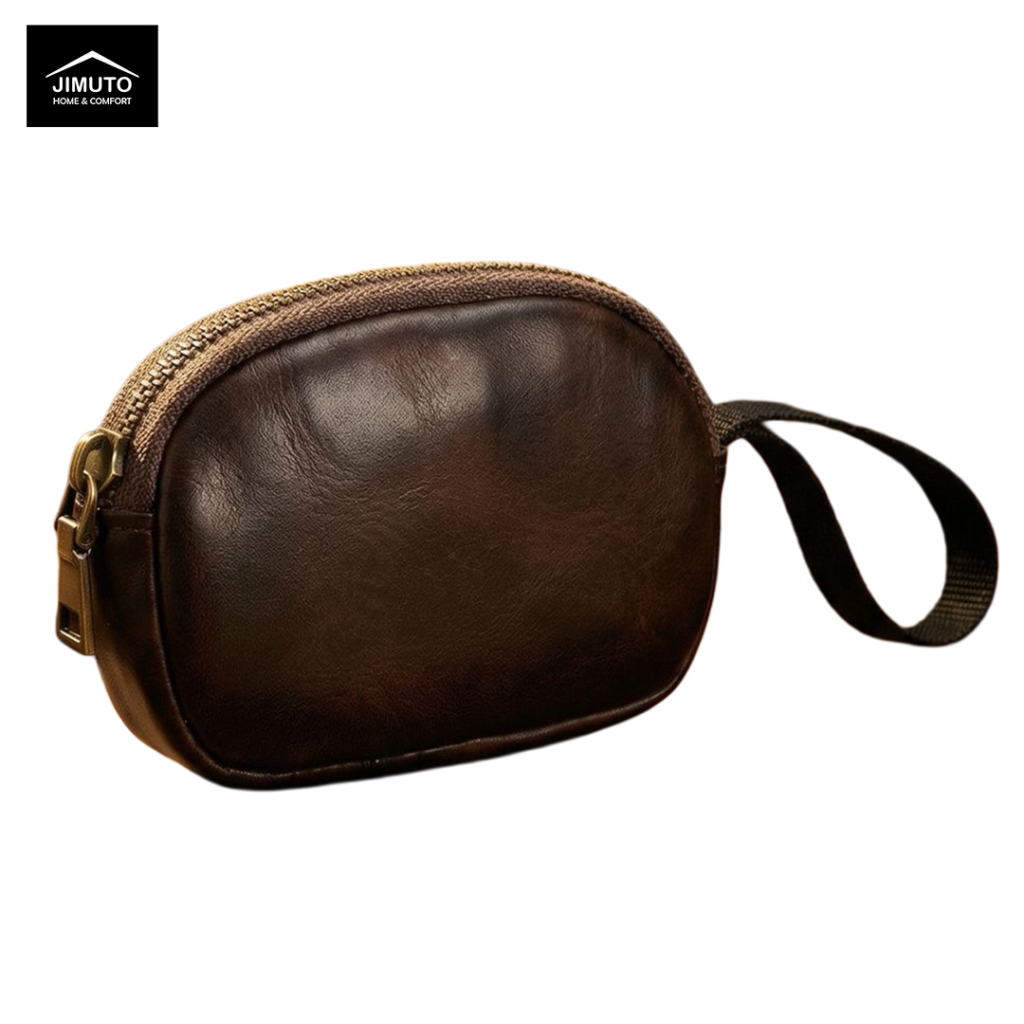
“In a world increasingly defined by speed, craftsmanship offers a different idea of luxury: the most enduring luxury is something made carefully enough to be kept.”
— Andrew Kwong Jir, Chief Product Designer at JIMUTO
JIMUTO represents a contemporary expression of luxury leather fashion, where craftsmanship, material character and thoughtful design come together. Explore its leather collections here: JIMUTO leather accessories.

Leave a Reply