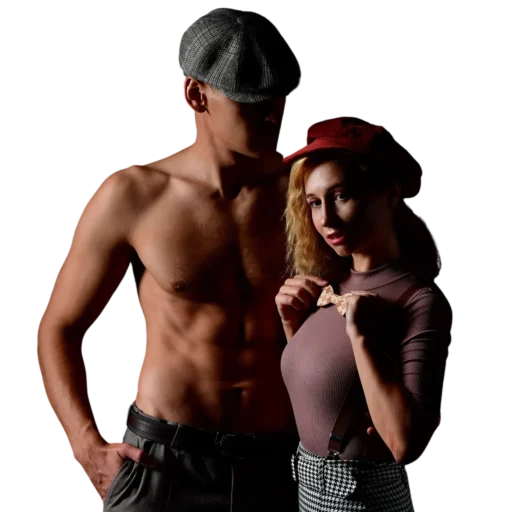
Remember that iconic walk-off, the perfectly coiffed hair, and the unforgettable “Blue Steel” gaze? When Zoolander first hit screens in 2001, it was a hilarious, over-the-top satire of the fashion industry.
You probably laughed at its absurdity, the exaggerated characters, and the seemingly ridiculous trends it parodied. But what if we told you that Derek Zoolander and his world were not just comedy, but a surprisingly accurate crystal ball for the future of fashion?
Indeed, this beloved film, often dismissed as mere parody, actually made some startlingly prescient predictions. It foresaw shifts in celebrity culture, the evolution of runway aesthetics, and even the very fabric of how we consume and perceive style.
Prepare to have your perception of fashion history, and perhaps your favorite comedy, profoundly altered. We’re diving deep into nine fashion prophecies from Zoolander that have, against all odds, truly come to pass.
The Rise of Gender-Fluid Fashion and Androgyny
One of Zoolander’s most subtle yet profound predictions was the increasing blurring of gender lines in fashion. You saw it in the male models’ often feminine poses, their silky blouses, and the general aesthetic of male beauty pushed to an almost ethereal extreme.
Derek himself, with his long hair and delicate features, embodied a male ideal that transcended traditional masculinity. His famous “Magnum” look, while a joke, hinted at a new kind of male allure.
From Satire to Mainstream: Harry Styles and Beyond
Fast forward to today, and you can see this prediction everywhere. Think of pop culture icons like Harry Styles, who effortlessly embraces dresses, pearls, and traditionally feminine silhouettes on magazine covers and red carpets.
Designers like Alessandro Michele at Gucci have championed collections that defy clear gender categorization. More and more, you’ll find clothing lines labeled as “gender-neutral” or “unisex,” allowing you to express your personal style without societal constraints.
This shift isn’t just about men wearing “women’s clothes” or vice versa. It’s about fashion liberating itself from binary definitions, offering you a broader spectrum of self-expression.
Celebrity as Creative Director: The Mugatu Effect
Jacobim Mugatu, the tyrannical fashion mogul, wasn’t just a designer; he was a celebrity brand unto himself. His name was synonymous with his label, and his personality drove its marketing.
The film brilliantly satirized the idea of a fashion brand being less about the clothes and more about the larger-than-life figurehead behind it.
From Fictional Mogul to Real-Life Powerhouses
This concept has become a cornerstone of modern fashion. You’ve witnessed the rise of celebrities like Kanye West with Yeezy, Rihanna with Fenty, and Victoria Beckham with her eponymous line.
These aren’t just endorsements; these stars are often deeply involved in the creative direction, marketing, and overall vision of their brands. Their personal brand often overshadows, or at least complements, the clothing itself.
You are now buying into a lifestyle and an aesthetic curated by a famous personality, much like Mugatu’s devoted followers.
The “Ugly” Fashion Trend and Deliberate Deconstruction
Who could forget Mugatu’s “Derelicte” collection? It was a grotesque parody of designers taking inspiration from homelessness and poverty, presenting it as high fashion.
The collection featured models in tattered clothing, garbage bags, and even trash can lids. It was meant to be shocking and absurd, highlighting the fashion world’s tendency to appropriate and twist reality.
Embracing the Unconventional: From Derelicte to Demna
Ironically, this “ugly” aesthetic has become a legitimate, influential trend. You’ve seen the rise of “dad sneakers,” oversized, ill-fitting silhouettes, and distressed garments from major luxury houses.
Designers like Demna Gvasalia at Vetements and Balenciaga have built empires on deconstructed, utilitarian, and sometimes deliberately “unflattering” fashion. What was once satire has become a celebrated, albeit divisive, aesthetic.
The idea is to challenge traditional notions of beauty and luxury, prompting you to reconsider what makes something fashionable.
The Power of the Influencer (Before Social Media)
Derek Zoolander was, in essence, the original influencer. His “Blue Steel,” “Magnum,” and “Le Tigre” looks were iconic, instantly recognizable, and widely imitated.
He didn’t just model clothes; he sold a persona, a lifestyle, and a distinct aesthetic. His fame and influence dictated trends, even without Instagram or TikTok.
From Supermodel to Social Media Star
Today, your social media feeds are inundated with influencers who mirror Derek’s power. These individuals, often without traditional modeling contracts, dictate trends, promote products, and shape public perception of style.
You follow their every move, seeking inspiration for your next outfit or purchase. The film accurately predicted that personal brand and visual content would become paramount in driving fashion consumption.
The transition from supermodel to social media star is a direct lineage from Derek’s original influence.
Fashion as Activism and Social Commentary
While “Derelicte” was a cynical take on fashion’s relationship with social issues, it still highlighted the industry’s desire to appear socially conscious. Hansel’s environmentalism, though often overshadowed by his vanity, also pointed to this trend.
The film showed fashion grappling, albeit clumsily, with larger societal conversations.
Making a Statement: Slogan Tees and Runway Protests
You’ve witnessed fashion become a powerful platform for political and social statements. Slogan tees, like Dior’s “We Should All Be Feminists,” have become ubiquitous.
Runway shows frequently incorporate themes of sustainability, inclusivity, or political protest. Designers use their collections to spark dialogue and advocate for change, much like the exaggerated attempts in Zoolander.
This trend allows you to wear your values on your sleeve, literally.
The Blurring Lines Between Art and Commerce
Zoolander often portrayed fashion shows as theatrical spectacles, almost performance art, rather than simple showcases for clothes. The elaborate sets, the dramatic music, and the models’ exaggerated movements all contributed to this.
The industry’s self-seriousness, despite its often ridiculous output, hinted at its aspiration to be seen as high art.
Fashion in the Museum: From Runway to Gallery
You can now find fashion exhibitions in prestigious art museums worldwide, treating garments as sculptural works and designers as artists. The Metropolitan Museum of Art’s Costume Institute is a prime example.
High fashion collaborations with contemporary artists are commonplace, further cementing this connection. The spectacle of the runway has only intensified, with shows becoming immersive, multi-sensory experiences.
This validates fashion’s claim to cultural significance beyond mere clothing, inviting you to appreciate it on a deeper, artistic level.
The Dominance of Streetwear and High-Low Blending
While “Derelicte” was a satirical extreme, it also touched upon the idea of taking everyday, even discarded, elements and elevating them to high fashion. This concept is a precursor to the streetwear revolution.
The film poked fun at fashion’s ability to turn the mundane into the desirable.
Sneakers with Suits: The New Fashion Equation
Today, streetwear reigns supreme. You see sneakers paired with tailored suits, hoodies under trench coats, and luxury brands collaborating with skate labels.
The traditional boundaries between high fashion and casual wear have completely dissolved. Derek’s “look” often incorporated casual elements, even if styled in an over-the-top way.
This blending allows you to create unique, personalized outfits that reflect both comfort and style.
Exaggerated Minimalism and Conceptual Fashion
Derek’s iconic facial expressions – “Blue Steel,” “Magnum,” “Le Tigre” – were minimalist in their execution but maximalist in their impact. They were a study in how a single, simple gesture could convey an entire persona.
This focus on a singular, powerful concept over complex design foreshadowed a trend in fashion.
Less is More, But More Dramatic
You’ve seen designers present collections that are incredibly pared back in terms of embellishment but rich in conceptual meaning or dramatic silhouette. Think of avant-garde pieces that prioritize shape and form over intricate detail.
The idea is to make a statement with minimal elements, forcing you to focus on the essence of the design, much like the iconic simplicity of Derek’s poses.
The Fast Fashion Cycle and Trend Obsession
The fashion world in Zoolander was depicted as a relentless machine, constantly churning out new trends and discarding the old. Models were disposable, and yesterday’s “it” look was today’s trash.
This hyper-speed cycle was central to the film’s satire of the industry’s superficiality.
From Runway to Rack in Record Time
Unfortunately, this prediction has become a stark reality with the rise of fast fashion. You can now see runway trends replicated and available in stores within weeks, sometimes days.
The pressure to constantly consume new styles means that clothing often has a short lifespan in your wardrobe, mirroring the disposable nature of trends in Zoolander‘s world.
This constant cycle keeps you on your toes, always looking for the next big thing.
Zoolander’s Prophecies: A Snapshot
To help you visualize just how spot-on Zoolander was, here’s a quick comparison of its fictional elements and their real-world counterparts:
| Zoolander Concept/Prophecy | Real-World Fashion Trend | Key Examples/Timeline |
|---|---|---|
| Androgynous Male Models (Derek’s aesthetic) | Gender-Fluid & Non-Binary Fashion | Harry Styles (Vogue cover 2020), Gucci, JW Anderson (2015-present) |
| Mugatu (Celebrity Designer) | Celebrity-Led Fashion Brands | Yeezy (Kanye West, 2015), Fenty (Rihanna, 2017), Victoria Beckham (2008) |
| “Derelicte” Collection (Ugly/Deconstructed Fashion) | Ugly-Chic & Deconstructed Aesthetics | Balenciaga “Dad Sneakers” (2017), Vetements (2014-present), Crocs on runways |
| Derek’s Iconic Poses (Influencer Power) | Rise of Social Media Influencers | Instagram/TikTok fashion influencers (2010s-present) |
| Fashion as Activism (Hansel’s environmentalism) | Slogan Fashion & Political Statements | Dior “We Should All Be Feminists” tee (2016), Stella McCartney (sustainable fashion) |
| Fashion Shows as Art Spectacles | Fashion Exhibitions in Museums | MET Gala & Costume Institute exhibitions (2000s-present) |
| “Derelicte” (High-Low Blending) | Streetwear Dominance & High-Low Fashion | Supreme collaborations, Off-White, luxury hoodies/sneakers (2010s-present) |
| Minimalist but Impactful Looks (Blue Steel) | Conceptual & Exaggerated Minimalism | Rick Owens, Yohji Yamamoto (architectural silhouettes) |
| Rapid Trend Cycle (Disposable Models/Trends) | Fast Fashion & Hyper-Consumption | Zara, H&M, Shein (2000s-present) |
Conclusion
So, the next time you rewatch Zoolander, you might find yourself looking at it through a different lens. What once seemed like outlandish satire now feels like a strangely accurate premonition.
The film wasn’t just a comedic masterpiece; it was a cultural touchstone that, perhaps inadvertently, offered a remarkably insightful commentary on the future trajectory of fashion.
From gender fluidity to the rise of influencer culture and the embrace of “ugly” aesthetics, Zoolander truly had its finger on the pulse. It showed you that sometimes, the most ridiculous ideas can become reality.
It’s a testament to the ever-evolving, often self-contradictory, and always fascinating world of fashion. What other “prophecies” do you think Zoolander might have hidden within its comedic genius?
Frequently Asked Questions (FAQ)
Q: Was Zoolander intentionally making these predictions, or was it just satire?
A: While the film was primarily a satire, its creators, Ben Stiller and Owen Wilson, spent significant time researching the fashion industry. Their keen observations of its absurdities and trends allowed them to create a world that, ironically, became highly prophetic. It’s likely a mix of sharp satire and unintentional foresight.
Q: What is “Blue Steel” and why is it so famous?
A: “Blue Steel” is Derek Zoolander’s signature modeling pose, characterized by a pursed lip, intense gaze, and slightly tilted head. It’s famous for its comedic exaggeration of male model poses and its iconic status in pop culture. It represents the idea of a signature look that defines a model’s brand.
Q: How has Zoolander influenced fashion since its release?
A: Zoolander has had a lasting cultural impact, becoming a reference point for discussing fashion’s more outlandish elements. It has been referenced by designers, used in fashion editorials, and its characters even walked the Valentino runway in 2015, blurring the lines between fiction and reality in a way only Zoolander could.
Q: Are these fashion trends still relevant today?
A: Absolutely! Many of the trends Zoolander predicted, such as gender-fluid fashion, the power of influencers, and the blending of streetwear with luxury, are not just relevant but dominant in today’s fashion landscape. The film’s insights continue to shape how we view and engage with style.
Q: What’s the main takeaway from Zoolander‘s fashion prophecies?
A: The main takeaway is that fashion is a constantly evolving, often cyclical industry that frequently takes itself very seriously, even when it’s at its most absurd. Zoolander brilliantly captured this dynamic, showing us that what seems ridiculous today could very well be the height of style tomorrow.
Leave a Reply