
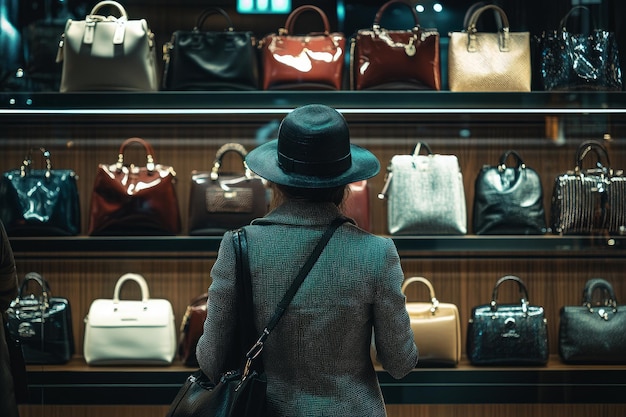
The allure of a Louis Vuitton bag extends far beyond its exquisite design and iconic monogram. For many, it represents a statement of luxury, a symbol of success, and a coveted fashion accessory. But as you consider adding one of these prestigious items to your collection, a crucial question often arises: are Louis Vuitton bags a good investment?
This comprehensive guide will help you navigate the intricate world of luxury resale. You will discover the factors that influence a Louis Vuitton bag’s value, explore which models tend to perform best, and learn how to maximize your return should you decide to sell. Understanding the nuances of the luxury market is key to making an informed decision about your next significant purchase.
The Undeniable Prestige of Louis Vuitton
Louis Vuitton is a name synonymous with unparalleled luxury, heritage, and masterful craftsmanship. Founded in 1854, the brand has built an empire on innovation, quality, and timeless style. When you own a Louis Vuitton bag, you are not just acquiring an accessory; you are becoming part of a rich history.
The brand’s commitment to quality ensures that each bag is meticulously crafted from the finest materials. This dedication to excellence contributes significantly to its enduring appeal and perceived value. The iconic monogram canvas, supple leathers, and durable hardware make Louis Vuitton bags instantly recognizable and highly desirable worldwide.
This strong brand identity and global recognition are vital components of its investment potential. A brand that consistently maintains its luxury status and desirability will always command a higher value, both new and on the secondary market. Louis Vuitton has proven its staying power for over a century and a half.
Understanding Luxury as an “Investment”
Before diving into specific Louis Vuitton bags, it is crucial to define what “investment” means in the context of luxury goods. Unlike traditional financial investments such as stocks or real estate, luxury items rarely offer guaranteed returns.
Instead, their investment potential often lies in their ability to retain value, appreciate in specific circumstances, or incur minimal depreciation. You are investing in an asset that offers both aesthetic enjoyment and potential financial return. Factors like rarity, demand, brand strength, and condition are paramount.
Luxury items can act as a “store of value,” especially during economic uncertainties. While not a liquid asset like cash, a highly sought-after Louis Vuitton bag can be converted into funds if needed. This makes understanding the resale market incredibly important for any savvy buyer.
What Drives Value in the Luxury Resale Market?
Several key elements contribute to how well a luxury item like a Louis Vuitton bag holds its value. You need to consider these factors before making a purchase with resale in mind.
- Brand Strength and Heritage: Established brands with a long history of quality and exclusivity tend to perform better. Louis Vuitton excels in this area.
- Rarity and Exclusivity: Limited editions, discontinued styles, or hard-to-find pieces often command higher prices due to scarcity.
- Demand: Popularity and current fashion trends play a huge role. Bags that are consistently in high demand will sell quickly and for a better price.
- Condition: The better the condition of your bag, the higher its resale value. This is arguably the most critical factor you can control.
- Authenticity: Buyers on the secondary market prioritize authenticity. Having original receipts, dust bags, and boxes significantly boosts confidence and value.
Louis Vuitton’s Performance on the Resale Market
Louis Vuitton bags generally perform very well on the secondary market compared to many other luxury brands. While most bags will not appreciate significantly above their retail price, many classic and popular styles retain a substantial portion of their original value.
Some specific models, particularly those with high demand, limited availability, or recent price increases, can even sell for more than their original retail price. This phenomenon is less common than with brands like Hermès or certain Chanel bags, but it does occur with Louis Vuitton.
You can expect a strong return on investment if you choose wisely and maintain your bag meticulously. The brand’s consistent price increases also contribute to its secondary market strength, as older bags become relatively more affordable yet still desirable.
Resale Value Retention Examples for Popular Louis Vuitton Bags
To give you a clearer picture, here is a table illustrating the typical resale value retention for some of Louis Vuitton’s most iconic bags. Please note that these figures are averages and can fluctuate based on condition, market demand, and the specific platform you use for selling.
This data helps you understand which models tend to be more resilient in the resale market, providing a clearer path for your potential investment.
| Louis Vuitton Model | Original Retail Price (Approx.) | Typical Resale Value (Good Condition) | Resale Value Retention (%) |
|---|---|---|---|
| Speedy Bandoulière 25 (Monogram) | $1,820 | $1,200 – $1,600 | 65% – 88% |
| Neverfull MM (Monogram) | $2,030 | $1,300 – $1,800 | 64% – 89% |
| Pochette Metis (Monogram) | $2,720 | $2,000 – $2,600 | 73% – 95% |
| Alma BB (Monogram Canvas) | $1,890 | $1,200 – $1,700 | 63% – 90% |
| Multi Pochette Accessoires | $2,640 | $2,000 – $2,800+ | 75% – 100%+ |
| Capucines Mini (Taurillon Leather) | $5,650 | $3,500 – $5,000 | 62% – 88% |
Note: Prices are approximate and subject to change based on market fluctuations and Louis Vuitton’s pricing policy. Resale values depend heavily on the bag’s condition and current market demand.
Key Louis Vuitton Models for Investment
If you are looking for Louis Vuitton bags with strong resale potential, focusing on classic, highly sought-after models is generally your best strategy. These bags have proven their enduring appeal over decades.
1. The Classics: Monogram Canvas Icons
You cannot go wrong with the brand’s most recognizable pieces. The Speedy, Neverfull, and Alma in Monogram canvas are perennial favorites. Their timeless design and practical functionality ensure consistent demand.
These bags are often entry points for new luxury buyers, keeping their secondary market active.
2. The Modern Favorites: High Demand, Limited Supply
Bags like the Pochette Metis and the Multi Pochette Accessoires have seen incredible demand, often leading to waiting lists and scarcity at retail. This scarcity directly translates to higher resale values, sometimes exceeding retail price. These pieces represent a more contemporary investment choice.
3. Discontinued and Vintage Pieces
Certain discontinued models can become highly collectible. If you have an eye for vintage or unique designs that are no longer produced, you might find a hidden gem. Researching past collections and understanding what makes a piece rare is crucial here.
Think of bags like the Epi leather Nocturne or early Damier Azur pieces.
4. Limited Editions and Collaborations
Louis Vuitton frequently collaborates with artists and designers, creating limited-edition collections. While not all collaborations become highly valuable, some, like those with Stephen Sprouse, Takashi Murakami, or Yayoi Kusama, have achieved iconic status. These pieces can be excellent investments if you choose wisely and they resonate with collectors.
Factors That Impact Resale Value (and How You Can Influence Them)
Your actions as an owner significantly impact how well your Louis Vuitton bag retains its value. By being mindful of these factors, you can maximize your potential return.
1. Condition is King
A bag in pristine, “like new” condition will always command the highest price. Buyers are willing to pay a premium for a bag that shows minimal signs of wear. This means no scuffs, scratches, stains, or worn corners.
You should treat your bag with care from day one.
2. The Power of Provenance: Authenticity and Documentation
Having the original receipt, dust bag, box, and even the shopping bag adds immense value and assures buyers of authenticity. These items provide a complete package and instill confidence. Keep all original documentation in a safe place.
3. Rarity and Exclusivity
As mentioned, limited editions, discontinued styles, or bags that are hard to find at retail due to high demand naturally fetch higher prices. If you acquire such a piece, understand its unique value in the market.
4. Material and Color Choices
Classic Monogram and Damier canvases generally hold their value very well due to their durability and timeless appeal. Exotic leathers can be more volatile; while initially more expensive, their resale value depends heavily on specific demand. Neutral colors often perform better than highly seasonal or bold hues.
5. Market Trends and Timing
The luxury resale market is influenced by fashion trends, celebrity endorsements, and even economic conditions. Selling when a particular style is trending or when Louis Vuitton announces significant price increases can be advantageous. You should monitor the market if you are considering selling.
The Luxury Resale Process: Your Guide to Selling
Once you have decided to sell your Louis Vuitton bag, understanding the resale process is crucial. You have several options, each with its own advantages and considerations.
1. Preparing Your Bag for Sale
Before listing, meticulously clean your bag. Remove any dust, wipe down the exterior, and ensure the interior is spotless. Take high-quality, well-lit photographs from multiple angles, highlighting all features and any minor imperfections.
Be honest about the condition to build trust with potential buyers.
2. Choosing the Right Selling Platform
You have a variety of platforms available, each catering to different needs:
- Consignment Sites (e.g., Fashionphile, The RealReal, Vestiaire Collective): These platforms handle authentication, photography, listing, and shipping. They take a commission but offer convenience and a trusted marketplace for buyers. This is often the safest and easiest option for you.
- Online Marketplaces (e.g., eBay, Poshmark, Depop): You have more control over pricing and listing, but you are responsible for authentication, customer service, and shipping. Be wary of scams and ensure you have strong buyer protection.
- Local Consignment Stores: If you prefer an in-person transaction, local luxury consignment shops can be a good option. They offer convenience but might offer lower prices or have specific inventory needs.
- Direct Sales (e.g., social media groups): Selling directly can yield the highest return as you avoid commissions, but it requires significant effort in marketing, authentication, and managing transactions.
3. Pricing Your Louis Vuitton Bag
Research is key. Look at comparable bags in similar condition across various resale platforms. Consider the original retail price, the bag’s age, rarity, and current market demand.
Be realistic; overpricing can deter buyers, while underpricing means you leave money on the table. You want to find the sweet spot.
4. Authenticity Checks and Buyer Confidence
Reputable consignment sites employ expert authenticators, which gives buyers peace of mind. If you sell independently, be prepared to provide detailed photos of date codes, heat stamps, hardware, and stitching. Some buyers may request third-party authentication services, which you might consider offering or facilitating.
Maximizing Your Louis Vuitton’s Value Over Time
To ensure your Louis Vuitton bag remains a valuable asset, consistent care and strategic thinking are essential. You are protecting your investment with every step.
1. Proper Care and Storage
Store your bag in its original dust bag, away from direct sunlight and humidity. Stuff it with acid-free tissue paper to help it maintain its shape. Avoid overfilling your bag, which can stretch the leather or canvas.
Clean it regularly with appropriate products or take it to a professional for maintenance.
2. Retain All Original Packaging and Documentation
Always keep your original receipt, dust bag, box, and any care cards. These items not only prove authenticity but also enhance the perceived value and desirability of your bag on the secondary market. Buyers appreciate a complete set.
3. Stay Informed on Market Trends
Keep an eye on what styles are popular, what Louis Vuitton is releasing, and how prices are moving. Understanding these dynamics will help you decide the optimal time to sell if you choose to do so. A little market research goes a long way.
Conclusion: A Smart Purchase, Not a Guaranteed Fortune
Are Louis Vuitton bags a good investment? The answer is nuanced, but generally, yes, they can be a very good investment in terms of value retention. While you should not expect to get rich by buying and selling Louis Vuitton bags, many models, especially classics and highly sought-after contemporary pieces, hold their value exceptionally well.
You are investing in a piece of luxury that brings joy and style, with the added benefit of strong resale potential. By choosing wisely, meticulously caring for your bag, and understanding the luxury resale market, you can ensure your Louis Vuitton purchase is both a satisfying acquisition and a financially sound decision. Embrace the journey of luxury ownership with confidence and knowledge.
Frequently Asked Questions (FAQ)
Q1: Which Louis Vuitton bags hold their value best?
A1: Classic styles like the Speedy, Neverfull, and Alma in Monogram canvas generally hold their value very well. Modern popular bags like the Pochette Metis and Multi Pochette Accessoires also show excellent resale retention due to high demand and limited availability.
Q2: Do Louis Vuitton bags ever increase in value?
A2: While most Louis Vuitton bags do not appreciate significantly above retail, certain highly coveted, limited-edition, or discontinued models can sell for more than their original price on the secondary market. Consistent price increases by Louis Vuitton also help older bags maintain a strong relative value.
Q3: Is it better to buy a new or pre-loved Louis Vuitton bag for investment?
A3: Buying pre-loved in excellent condition can be a smarter financial move. You avoid the initial depreciation and can often acquire a desirable bag at a lower price point, potentially increasing your profit margin if you decide to sell later. However, ensure authenticity when buying pre-loved.
Q4: How important is the condition of my Louis Vuitton bag for resale?
A4: Condition is paramount. A bag in “like new” or “excellent” condition will fetch significantly higher prices than one with noticeable wear and tear. Meticulous care and storage are crucial for preserving its value.
Q5: Where is the best place to sell a Louis Vuitton bag?
A5: Reputable luxury consignment platforms like Fashionphile, The RealReal, and Vestiaire Collective are often the best options. They handle authentication, marketing, and sales, offering convenience and a trusted marketplace for buyers, though they do take a commission.
Q6: Should I keep my Louis Vuitton bag’s original packaging?
A6: Absolutely. Keeping the original receipt, dust bag, box, and any authenticity cards significantly enhances the bag’s resale value. It provides proof of authenticity and creates a more appealing package for potential buyers.
Leave a Reply