
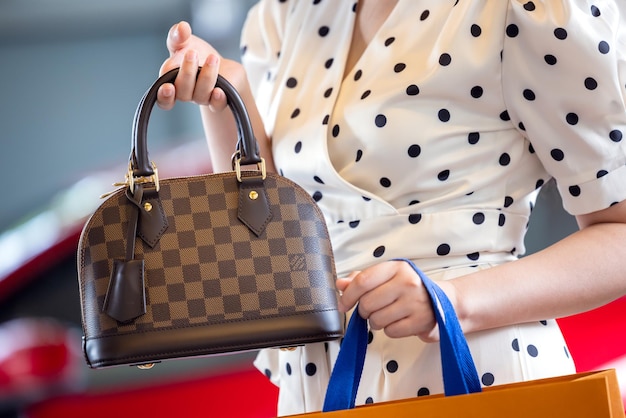
Investing in a luxury handbag like a Dior piece is a significant decision. You are not just buying an accessory; you are acquiring a symbol of timeless elegance, exceptional craftsmanship, and iconic design. Unfortunately, the allure of Dior also attracts counterfeiters, making the market a tricky landscape to navigate for unsuspecting buyers.
Ensuring the authenticity of your Dior bag is paramount, protecting both your investment and your peace of mind. This comprehensive guide will equip you with the knowledge and tools needed to confidently distinguish a genuine Dior creation from a cleverly made fake. You will learn to scrutinize every detail, transforming you into a discerning expert.
The Allure of Dior and the Rise of Counterfeits
Christian Dior established his eponymous fashion house in 1946, quickly revolutionizing women’s fashion with the “New Look.” Since then, Dior has remained a global powerhouse, synonymous with haute couture, exquisite ready-to-wear, and, of course, iconic handbags.
The brand’s unwavering prestige and high demand naturally fuel a thriving market for counterfeit goods. These fakes range from obvious imitations to sophisticated replicas that can deceive even experienced collectors. Understanding the common pitfalls is your first step towards safeguarding your purchase.
General Principles of Authentication
Before diving into specific details, adopt a holistic approach to authentication. No single detail guarantees authenticity; instead, it’s a combination of many factors that paint the full picture. Always consider the bag as a complete product, meticulously crafted from start to finish.
Research the Seller
Your first line of defense is always the seller. Reputable sellers, whether established boutiques, authorized dealers, or trusted pre-owned luxury platforms, provide transparency and guarantees. Always check reviews, seller history, and return policies before committing to a purchase.
Be wary of sellers offering prices that seem too good to be true, especially for highly sought-after models. Authenticity cards can be easily faked, so never rely solely on their presence as proof. Focus your investigation on the bag itself, not just accompanying paperwork.
Know Your Bag
Familiarize yourself with the specific Dior model you are interested in. Research its materials, hardware, stitching patterns, and typical features for that particular era. Official Dior websites and trusted luxury authentication sites are excellent resources.
High-quality reference photos of authentic bags are invaluable for comparison. Pay attention to variations that might exist across different production years or collections. A genuine Dior bag will always showcase consistent and exceptional craftsmanship.
Key Elements to Scrutinize for Authenticity
Now, let’s delve into the specific details you need to examine on any Dior handbag. These are the touchpoints where counterfeiters most often fail to replicate the brand’s exacting standards. You will develop a keen eye for discrepancies by focusing on these areas.
Material Quality
Dior is renowned for using only the finest materials. This commitment to quality is immediately discernible through touch and sight. Counterfeiters often cut corners here, using cheaper alternatives that betray the bag’s true nature.
- Leather: Genuine Dior leather, whether lambskin, calfskin, or exotic, feels luxurious, soft, and supple. It will have a natural grain and a rich, subtle scent. Fakes often use stiff, plasticky, or overly shiny leather that lacks depth and feels artificial.
- Cannage Stitching: The iconic Cannage pattern, especially on the Lady Dior, is precise and uniform. Each diamond should be perfectly aligned and evenly puffed. On fakes, the stitching might be shallow, uneven, or inconsistent in size and shape.
- Fabric: For canvas or fabric bags, the material should be durable, tightly woven, and have a consistent pattern. The print should be sharp and clear, not blurry or faded. Examine the texture for any signs of cheapness or poor quality.
Hardware
Dior hardware is custom-made, heavy, and meticulously finished. It is never flimsy, cheap-looking, or prone to tarnishing quickly. This is a common giveaway for counterfeit bags.
- Weight and Feel: Authentic hardware, like the D.I.O.R. charms or strap buckles, will feel substantial and solid. It should have a pleasant weight in your hand, indicating high-quality metal. Fakes often use lightweight, hollow, or cheap-feeling hardware.
- Finish: The plating (gold, silver, ruthenium) should be even, smooth, and lustrous, without any chipping, bubbling, or discoloration. Look for a consistent, high-end shine or a perfectly matte finish, depending on the design.
- Engravings: Any engravings, such as “Dior” or “Christian Dior,” should be sharp, clear, and perfectly spaced. The font should match official Dior branding exactly. Blurred, shallow, or poorly aligned engravings are strong indicators of a fake.
- D.I.O.R. Charms: On bags like the Lady Dior, the D.I.O.R. charms are individually weighted and connected by a sturdy ring. They should hang freely and swing smoothly. Counterfeit charms often feel lighter, less refined, and may be poorly attached.
Stitching
Dior’s commitment to perfection is evident in its stitching. This is a crucial detail that often exposes a counterfeit.
- Precision and Consistency: Authentic Dior bags feature incredibly precise, even, and consistent stitching. Each stitch should be uniform in length and perfectly straight, with no loose threads or skipped stitches.
- Thread Type: The thread used is typically strong, durable, and matches the color of the bag perfectly. It should not look thin, flimsy, or discolored. You will notice a deliberate, handcrafted quality in every stitch.
- Reinforcement: Areas of stress, such as handle attachments or pocket openings, will have reinforced stitching. This attention to detail ensures the bag’s longevity and structural integrity.
Heat Stamps and Date Codes
These internal markings provide vital clues about a bag’s origin and authenticity. They require careful examination for correct font, placement, and format.
- Heat Stamp: The “Christian Dior PARIS” heat stamp (or similar variations, depending on the era) should be clear, crisp, and evenly pressed into the leather. The font should be exact, and the spacing between letters consistent. Fakes often have stamps that are too deep, too shallow, blurry, or use incorrect fonts.
- Location: The heat stamp is typically found on an interior leather tag or directly on the lining. Its exact placement varies by model and year, so reference authentic examples for your specific bag.
- Date Code: Most modern Dior bags include a date code, usually a series of numbers and letters. This code indicates where and when the bag was made. It is often found on a small leather tab inside the bag, sometimes hidden within a pocket.
- Date Code Format: Dior date codes typically follow a format like XX-XX-XXXX, or a similar alphanumeric sequence, where the numbers often indicate the week and year of production. Research the specific format expected for your bag’s model and potential production era. Fakes often have incorrect formats, fonts, or non-existent date codes.
Lining
The interior of a Dior bag is just as important as its exterior. Dior does not compromise on the quality of its linings.
- Material and Color: The lining material (e.g., leather, suede, fabric) should be high-quality, durable, and precisely cut. The color should be consistent and rich, matching the bag’s overall design aesthetic.
- Stitching: Just like the exterior, the interior stitching should be flawless, neat, and evenly spaced. There should be no loose threads or signs of sloppy workmanship.
- Pockets: Internal pockets should be well-constructed, with clean edges and smooth zippers. Check for proper functionality and alignment.
Handles and Straps
These components are critical for both aesthetics and functionality. Dior’s attention to detail ensures they are both beautiful and durable.
- Construction: Handles and straps should be sturdy, well-formed, and feel comfortable to hold. On bags like the Lady Dior, the handle attachments are meticulously crafted and reinforced.
- Edges: The edges of leather handles and straps should be neatly finished, often with a smooth, painted edge. This finish should be consistent, without cracks, peeling, or unevenness.
- Attachment: Examine how the handles or straps are attached to the bag. The hardware should be secure, and the stitching strong and precise. Fakes often show weak attachments or inferior stitching in these areas.
Accessories
While accessories can be easily faked, they can still offer subtle clues when combined with other indicators.
- Dust Bag: Authentic Dior dust bags are typically made of high-quality cotton or flannel, often in white or grey, with a clear “Christian Dior PARIS” logo. The material should feel soft and substantial, not cheap or synthetic.
- Authenticity Card: Dior authenticity cards can be a tricky indicator. While genuine bags come with them, these cards are easily replicated. Do not rely on them solely. Instead, focus on the bag itself.
Smell and Feel
Believe it or not, your senses can provide valuable authentication clues. A genuine Dior bag has a distinct, luxurious aroma.
- Smell: Authentic leather has a rich, earthy, and pleasant scent. Counterfeit bags often have a strong chemical, plastic, or glue-like odor, which is a major red flag.
- Feel: The overall feel of an authentic Dior bag is one of quality and refinement. It should feel balanced, well-constructed, and luxurious to the touch. Fakes often feel flimsy, stiff, or generally ‘off’.
Overall Craftsmanship
Ultimately, a genuine Dior bag is a masterpiece of craftsmanship. Every element works in harmony to create a cohesive, high-quality product. You will notice an absence of flaws, imperfections, or shortcuts.
Take a step back and examine the bag as a whole. Does it exude luxury and precision? Or does something feel slightly off, hinting at mass production rather than artisanal creation?
Trust your instincts, informed by the detailed checks you’ve performed.
Red Flags to Watch Out For
Beyond specific details, certain overarching issues should immediately raise your suspicion. These are common characteristics of counterfeit goods.
- Unrealistic Pricing: If the price is significantly lower than the market value for a similar authentic bag, be extremely cautious. Luxury items hold their value.
- Poor Quality Photos: Online listings with blurry, low-resolution, or stock photos can hide imperfections. Always request clear, detailed photos of specific areas.
- Inconsistent Details: A bag might have some authentic-looking features but fail on others. Inconsistency is a hallmark of counterfeits.
- Seller Pressure: High-pressure sales tactics or a refusal to provide additional information or photos are major warning signs.
What to Do If You Suspect a Fake
If, after your thorough examination, you suspect a Dior bag is not authentic, do not purchase it. If you have already made a purchase, contact the seller immediately to express your concerns.
For online purchases, utilize buyer protection programs offered by platforms like PayPal or credit card companies. Consider seeking a professional authentication service if you need a definitive expert opinion. These services can provide a formal certificate of authenticity or non-authenticity.
Key Authentication Checkpoints Summary
This table summarizes the critical areas to examine when authenticating a Dior bag. Use it as a quick reference during your inspection.
| Feature | Authentic Dior Characteristics | Counterfeit Red Flags |
|---|---|---|
| Material | Supple, natural grain leather; high-quality, dense fabric. Luxurious feel and subtle scent. | Stiff, plasticky, overly shiny leather; cheap, thin fabric. Strong chemical odor. |
| Hardware | Heavy, solid, smooth, consistent finish. Sharp, clear, correctly-fonted engravings. | Lightweight, hollow, flimsy; uneven plating, chipping. Blurry, incorrect, or absent engravings. |
| Stitching | Precise, even, consistent length; strong, matching thread. No loose threads or skips. | Uneven, sloppy, inconsistent; thin or mismatched thread. Loose threads, missed stitches. |
| Heat Stamp | Clear, crisp, evenly pressed. Correct font and spacing for “Christian Dior PARIS”. | Blurry, too deep/shallow, incorrect font or spacing. |
| Date Code | Correct format (e.g., XX-XX-XXXX), font, and placement for the model/era. | Incorrect format, wrong font, missing, or inconsistent. |
| Lining | High-quality material, well-fitted, neat stitching. | Cheap material, loose or bunched lining, sloppy stitching. |
| Handles/Straps | Sturdy, well-formed, neatly finished edges (e.g., painted). Securely attached. | Flimsy, poorly shaped, cracked/peeling edges. Weak, loose attachments. |
| Overall Craftsmanship | Flawless, cohesive, attention to detail in every aspect. Exudes luxury. | Visible imperfections, shortcuts, general lack of refinement. |
Conclusion
Authenticating a Dior bag requires a meticulous eye and a thorough understanding of the brand’s standards. By focusing on material quality, hardware, stitching, heat stamps, and overall craftsmanship, you empower yourself to make informed decisions. You are now equipped with the knowledge to scrutinize every detail, ensuring your investment is genuine.
Remember, the best defense against counterfeits is education and vigilance. Take your time, compare details with authentic examples, and never hesitate to seek professional help if you have doubts. With these guidelines, you can confidently navigate the luxury market and enjoy the timeless beauty of an authentic Dior handbag.
Frequently Asked Questions (FAQ)
Q1: Is an authenticity card proof that my Dior bag is real?
No, an authenticity card alone is not definitive proof. Counterfeiters can easily replicate these cards. Always focus your authentication efforts on the bag’s physical characteristics, not just accompanying paperwork.
Q2: Where is the date code usually located on a Dior bag?
Dior date codes are typically found on a small leather tab inside the bag, often within a pocket or sewn into the lining. Their exact placement can vary by model and production year.
Q3: Do all Dior bags have a date code?
Most modern Dior bags do have a date code. However, some older vintage pieces might not, or they might have a different type of marking. Always research the expected features for the specific model and era you are examining.
Q4: What if the price is significantly lower than retail?
A price that seems “too good to be true” is a major red flag. While pre-owned bags are typically discounted, an unusually low price for a popular model often indicates a counterfeit. Exercise extreme caution.
Q5: Can I get my Dior bag professionally authenticated?
Yes, several reputable third-party authentication services specialize in luxury handbags, including Dior. These services can provide expert opinions and often issue certificates of authenticity, which can be valuable for peace of mind or for resolving disputes.
Leave a Reply