
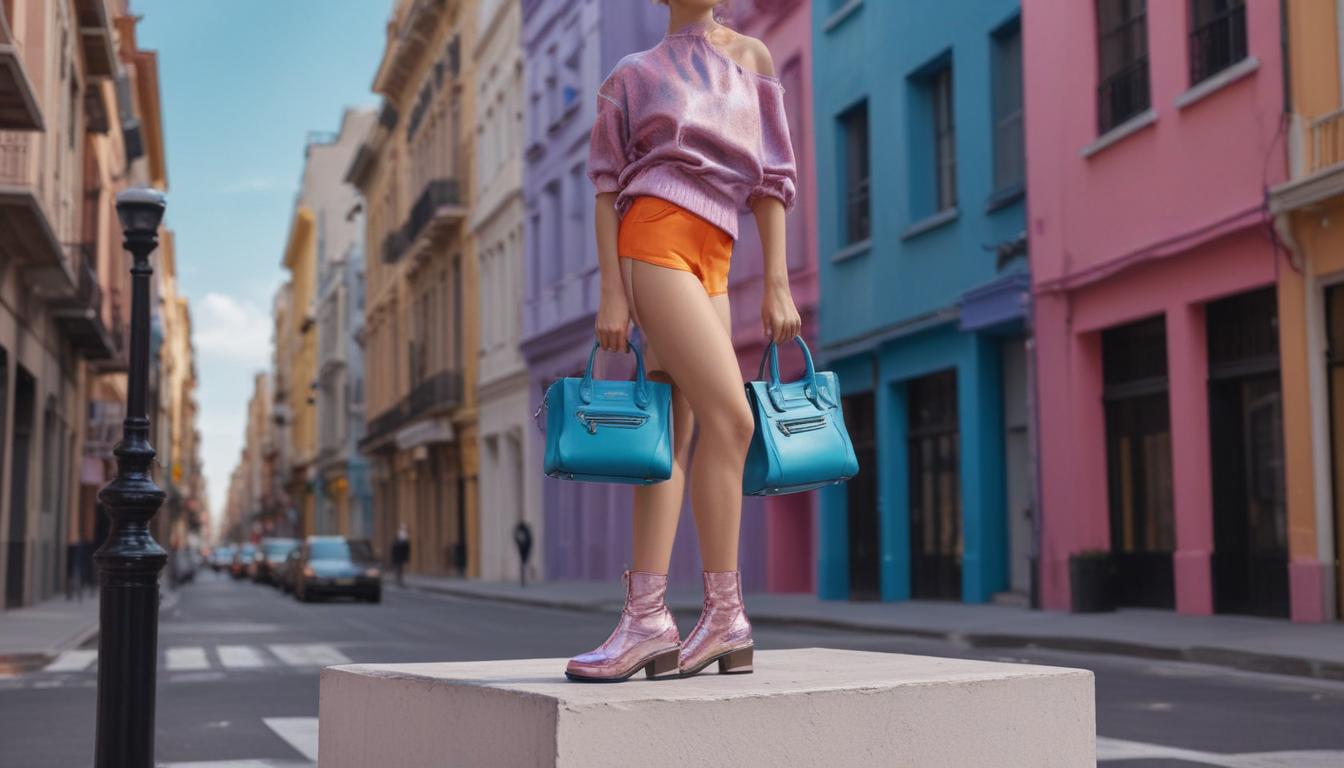
Balenciaga is a name that sparks a lot of conversation in the fashion world. You might see its unique designs everywhere, from high fashion runways to popular social media feeds. This often leads people to wonder, *is Balenciaga a luxury brand* or is it simply riding a wave of current trends?
This question is more complex than it first appears. The brand holds a unique position, blending deep historical roots with a very modern, sometimes controversial, approach. We will explore its journey and characteristics to help you understand its true place in the fashion universe.
Understanding What “Luxury” Truly Means
Before we can decide if Balenciaga fits the bill, let’s define what we mean by a “luxury brand.” Traditionally, luxury brands share several key characteristics. These traits help them stand apart from regular fashion labels.
Luxury is often associated with a rich heritage and a long history. It speaks of timeless elegance and classic appeal. High-quality craftsmanship and the use of the finest materials are also very important aspects.
Exclusivity plays a big role; luxury items are not for everyone. They often come with a high price tag, reflecting their superior quality, design, and limited availability. A strong brand identity and careful marketing further cement this image.
A true luxury brand offers more than just clothes or accessories. It sells an experience, a status, and a dream. Now, let’s see how Balenciaga measures up against these established luxury standards.
Balenciaga’s Rich and Prestigious Heritage
To truly answer, *is Balenciaga a luxury brand*, you must look back at its beginnings. The house of Balenciaga was founded by Cristóbal Balenciaga in 1919 in San Sebastián, Spain. He was a master couturier, meaning he created custom-made high fashion.
Cristóbal Balenciaga was renowned for his innovative designs and impeccable tailoring. He was often called “the master of us all” by other famous designers like Christian Dior. His work redefined women’s silhouettes and pushed the boundaries of fashion in his time.
He introduced groundbreaking shapes, such as the balloon jacket, the babydoll dress, and the sack dress. These designs were revolutionary and highly influential. His creations were worn by royalty and high society, cementing the brand’s early status as a pinnacle of luxury and haute couture.
The original Balenciaga brand represented the epitome of craftsmanship, elegance, and exclusivity. Its historical roots are unquestionably luxurious. This strong foundation is crucial when considering the brand’s current identity.
The Modern Era: Demna Gvasalia’s Transformative Vision
The Balenciaga we see today is very different from Cristóbal’s original vision. The brand went through various periods and creative directors after Cristóbal closed his house in 1968. However, the most significant shift came with Demna Gvasalia’s appointment as creative director in 2015.
Demna, as he is commonly known, brought a fresh, often provocative, perspective to Balenciaga. He is known for blending high fashion with streetwear elements. This includes oversized silhouettes, ironic designs, and a focus on everyday objects reimagined as luxury items.
His designs sometimes feature items like Crocs, IKEA bags, or DHL logos, turning ordinary things into luxury fashion statements. This approach has led to massive commercial success and a huge buzz around the brand. However, it also sparked the debate: *is Balenciaga a luxury brand* in the traditional sense, or is it just trendy?
Demna’s vision pushed Balenciaga into new territory, attracting a younger audience. He moved the brand away from classic elegance towards a more avant-garde, even subversive, aesthetic. This shift dramatically changed how the brand is perceived.
Craftsmanship and Quality: The Foundation of Luxury
A fundamental aspect of any luxury brand is its commitment to craftsmanship and quality. When you invest in a luxury item, you expect it to be made with the finest materials and exceptional attention to detail. So, does Balenciaga meet this standard?
Balenciaga products, especially their leather goods and tailored garments, are generally made with high-quality materials. You will find fine leathers, silks, and wools in their collections. The stitching and construction are often precise, reflecting skilled artistry.
However, Demna’s era also introduced more casual, ready-to-wear items, like hoodies and sneakers. While these items are still made with good materials, some argue that their designs might not always justify the luxury price tag in terms of traditional craftsmanship. They are often about the design and brand name more than intricate detailing.
For example, a Balenciaga dress from their haute couture line will showcase incredible tailoring skills. A Balenciaga sneaker, while well-made, relies more on its unique design and brand identity for its appeal. This blend sometimes makes people question if every piece truly reflects the highest standards of luxury craftsmanship across the entire range.
Despite this, the overall quality of Balenciaga products generally remains high. The brand maintains a level of production that differentiates it from fast fashion. This ensures that in terms of material and construction, it largely supports the argument that *is Balenciaga a luxury brand*.
The Price Tag: A Clear Indicator?
When you look at Balenciaga’s price tags, they certainly command attention. The cost of their items often matches or even exceeds that of other established luxury houses. This high price point is a key indicator for many people when asking themselves, *is Balenciaga a luxury brand*?
Consider some example price ranges for different product categories. These figures are generally in line with what you might expect from a top-tier luxury brand. The brand strategically positions itself at the premium end of the market.
| Product Category | Typical Price Range (USD) | Common Material |
|---|---|---|
| Sneakers | $700 – $1,200+ | Leather, Mesh, Rubber, Technical Fabrics |
| Handbags | $1,500 – $4,000+ | Calfskin, Lambskin, Fabric, Exotic Skins |
| Hoodies/Sweatshirts | $800 – $1,500+ | High-quality Cotton, Fleece |
| T-Shirts | $400 – $800+ | Premium Cotton |
| Outerwear (Jackets/Coats) | $2,000 – $6,000+ | Wool, Leather, Technical Fabrics |
The pricing strategy reflects more than just the cost of materials and labor. It also factors in brand heritage, design innovation, and the exclusivity associated with owning a Balenciaga piece. This commitment to high pricing strongly supports the idea that *is Balenciaga a luxury brand* is a question with a clear financial answer.
Exclusivity is often tied closely to price. Balenciaga sometimes releases limited edition items or drops collections that quickly sell out. This creates a sense of urgency and desirability among consumers, further reinforcing its luxury standing.
Design Aesthetic and Innovation: Pushing Boundaries
Balenciaga under Demna Gvasalia is defined by its distinctive design aesthetic. It’s often bold, experimental, and frequently challenges conventional beauty standards. This innovative approach has made Balenciaga a trendsetter, but also a polarizing figure in fashion.
You might notice exaggerated silhouettes, deconstructed garments, and a mix of high and low culture references. The brand frequently uses irony and humor in its designs, which sets it apart. This innovative spirit is a hallmark of Balenciaga today.
Cristóbal Balenciaga was also a great innovator in his time, creating new shapes and forms. Demna continues this legacy of innovation, but through a modern lens, focusing on what’s relevant to contemporary culture. This continuous push for novelty is a defining characteristic.
Luxury is not just about tradition; it can also be about leading the way and setting new standards. Balenciaga’s consistent ability to surprise and influence the fashion world with its unique designs supports its luxury claim. It forces you to rethink what luxury can look like.
Brand Perception and Identity: The “Anti-Luxury” Luxury
How a brand is perceived by its customers and the wider industry is vital for its luxury status. Balenciaga has cultivated a very specific brand identity in recent years. It’s often described as “ironic luxury” or even “anti-luxury” luxury.
The brand appeals to those who appreciate its edgy, avant-garde style. It attracts consumers who want to stand out and challenge norms. For these buyers, owning a Balenciaga item is a statement of their unique taste and awareness of current culture.
Some traditional luxury consumers might find Balenciaga’s designs too casual or too “street.” However, a new generation of luxury buyers is drawn to its subversive appeal. This creates a dynamic tension around the question, *is Balenciaga a luxury brand* for everyone, or just a select group?
The brand successfully balances its historical prestige with a modern, disruptive image. It maintains a high-end positioning while embracing elements that might seem incongruous with traditional luxury. This complex identity is part of its allure and power in the market.
Marketing Strategies and Celebrity Endorsement
Balenciaga’s rise in recent years is partly due to its incredibly effective marketing. The brand understands the power of viral moments and celebrity endorsements. You often see famous personalities wearing Balenciaga, which instantly boosts its visibility and desirability.
The brand uses striking and often thought-provoking campaigns. Their digital presence is significant, leveraging social media to create hype and reach a global audience. They master the art of creating buzz and anticipation for new collections.
Balenciaga has also become a favorite among musicians, actors, and fashion influencers. When you see celebrities like Kim Kardashian or Justin Bieber in Balenciaga, it gives the brand a cool, aspirational quality. This celebrity power greatly enhances brand perception.
This modern marketing approach helps solidify its place in the luxury market. While traditional luxury often relies on exclusivity, Balenciaga expertly blends that with widespread cultural relevance. This strategy makes you wonder if its luxury status is truly earned or simply bought through influence. But the outcome is the same: immense desirability.
Controversies and Their Impact on Brand Status
Like many high-profile brands, Balenciaga has faced its share of controversies. These moments can significantly impact public perception and sometimes even sales. It’s important to consider how these events affect the brand’s long-term luxury standing.
In late 2022, Balenciaga faced widespread criticism for two advertising campaigns. These campaigns were seen by many as highly inappropriate and deeply offensive. The backlash was severe and immediate, leading to boycotts and a significant drop in brand sentiment.
The brand issued apologies and took steps to address the issues. However, the incidents sparked a huge debate about brand responsibility and the limits of creative freedom in luxury fashion. It made people ask if a brand could recover its luxury image after such a serious misstep.
These controversies highlight the fragile nature of brand perception, even for luxury houses. While they caused short-term damage, Balenciaga’s strong heritage and loyal customer base helped it to weather the storm. The long-term impact on the question, *is Balenciaga a luxury brand*, is still being assessed, but the brand continues to operate in the luxury space.
It shows that even luxury brands are not immune to public opinion. Maintaining a luxury status requires not just great products, but also careful brand management and ethical considerations.
Balenciaga’s Resale Value and Investment Potential
Another way to gauge if *is Balenciaga a luxury brand* is by looking at its resale value. Luxury items often hold a significant portion of their original value, or even appreciate, over time. This is because they are seen as investments, not just purchases.
Balenciaga items, particularly popular handbags and sneakers, tend to perform well in the resale market. Iconic pieces like the Triple S sneakers or specific bag styles often retain a good percentage of their retail price. This indicates a sustained demand and perceived value beyond just immediate trends.
However, the resale value can vary greatly depending on the specific item and its trend cycle. Some highly trendy pieces might see a dip in value once the hype fades. Classic or more universally appealing items generally maintain their value better.
For example, a limited edition Balenciaga hoodie might fetch a high price initially, but its value could decline faster than a classic leather handbag. This difference reflects the blend of “trendy” and “timeless” within the brand’s offerings.
The existence of a strong resale market for Balenciaga products suggests that consumers view them as valuable assets. This is a characteristic commonly associated with established luxury brands. It shows that people believe in the brand’s lasting appeal and quality.
The “Trendy” Argument: Is It Just Hype?
Some people argue that Balenciaga’s current appeal is primarily driven by trends and hype. They suggest that the brand’s rapid design cycles and focus on viral moments make it more akin to fast fashion, albeit at a much higher price point. This perspective emphasizes fleeting popularity over timeless luxury.
Critics might point to items like the “dad sneakers” or oversized clothing as examples of styles that, while popular now, may not age well. They question if these items have the enduring elegance expected of true luxury. The focus on immediate cultural relevance can sometimes overshadow timeless design principles.
The speed at which new collections are released and the constant push for the next “it” item contribute to this perception. This rapid turnover is characteristic of trendy brands aiming to capture the latest zeitgeist. It’s a contrast to the slower, more deliberate pace of traditional luxury houses.
You might feel that some Balenciaga pieces are more about making a statement than providing lasting quality or classic style. While this approach has undeniably brought the brand immense success and visibility, it fuels the debate about whether this is sustainable luxury or just very expensive trend-following. It’s a valid question to ask if *is Balenciaga a luxury brand* or a master of marketing trends.
Balenciaga’s Unique Place in the Luxury Market
Despite the debates, Balenciaga has carved out a distinct and powerful niche in the global luxury market. It doesn’t try to be like Chanel or Hermès; instead, it offers an alternative vision of luxury. This vision resonates deeply with a specific segment of the modern consumer base.
Balenciaga caters to those who seek high-quality fashion with an edge, a sense of irony, and a connection to contemporary culture. It’s luxury for the digital age, for those who appreciate both heritage and rebellion. This approach allows it to coexist with more traditional luxury brands rather than directly competing.
The brand’s success demonstrates that the definition of luxury is evolving. What was once solely about heritage and pristine elegance now also includes innovation, cultural commentary, and even a touch of irreverence. Balenciaga is leading this redefinition.
It shows that you don’t have to fit neatly into an old box to be considered luxurious. By embracing its unique identity, Balenciaga has solidified its position as a major player. It is a brand that provokes thought and demands attention, which is a powerful form of luxury in itself.
Different Views on Balenciaga’s Luxury Status
It’s helpful to see how different people perceive Balenciaga. The answer to *is Balenciaga a luxury brand* can depend on who you ask.
Traditional Luxury Enthusiasts:
- They might appreciate the brand’s historical roots and high-quality materials.
- However, they might find Demna’s designs too casual, too edgy, or lacking timeless elegance.
- They may focus on the occasional controversies as a detractor from its luxury image.
- For them, Balenciaga is a luxury brand in terms of price and quality, but not always in terms of style or classic appeal.
Modern Fashion Trendsetters:
- They often adore Balenciaga for its innovative, forward-thinking designs.
- They see its blend of streetwear and high fashion as revolutionary and exciting.
- For them, the brand defines what modern luxury looks like – bold, ironic, and culturally relevant.
- They view Balenciaga as a definitive luxury brand, setting trends for others to follow.
General Consumers:
- They might recognize the name and its high prices, associating it with wealth.
- They may find some designs strange or impractical but understand its high status due to celebrity wear.
- They see it as a luxury brand, even if they don’t fully understand its aesthetic.
These varying viewpoints show that the definition of luxury itself is not fixed. Balenciaga pushes these boundaries, making it a fascinating case study in the fashion industry.
Conclusion: So, Is Balenciaga Really a Luxury Brand?
After exploring its rich history, modern transformation, commitment to quality, and market strategies, we can arrive at a nuanced answer. Yes, Balenciaga absolutely *is Balenciaga a luxury brand*.
It possesses the core elements of luxury: a storied heritage, high-quality craftsmanship, premium materials, and aspirational pricing. Its products are made with care and carry the prestige of a powerful brand name. The brand’s ability to command high prices and generate significant resale value further cements its luxury status.
However, it is not a traditional luxury brand in the mold of its peers. Balenciaga under Demna Gvasalia has redefined what luxury can be for the 21st century. It blends its aristocratic past with a subversive, streetwear-infused aesthetic, creating a unique form of “luxury for today.”
It successfully caters to a new generation of luxury consumers who seek innovation, cultural relevance, and a distinctive identity over strict adherence to classic elegance. While its designs may sometimes lean heavily into trends, its underlying quality, brand power, and consistent innovation firmly place it within the luxury segment.
So, the next time you see a Balenciaga item, you can appreciate it as a luxury brand that dares to be different. It’s a brand that perfectly marries its deep roots with an exciting, ever-evolving vision of modern fashion, proving that luxury can indeed be both established and undeniably trendy.

Leave a Reply