
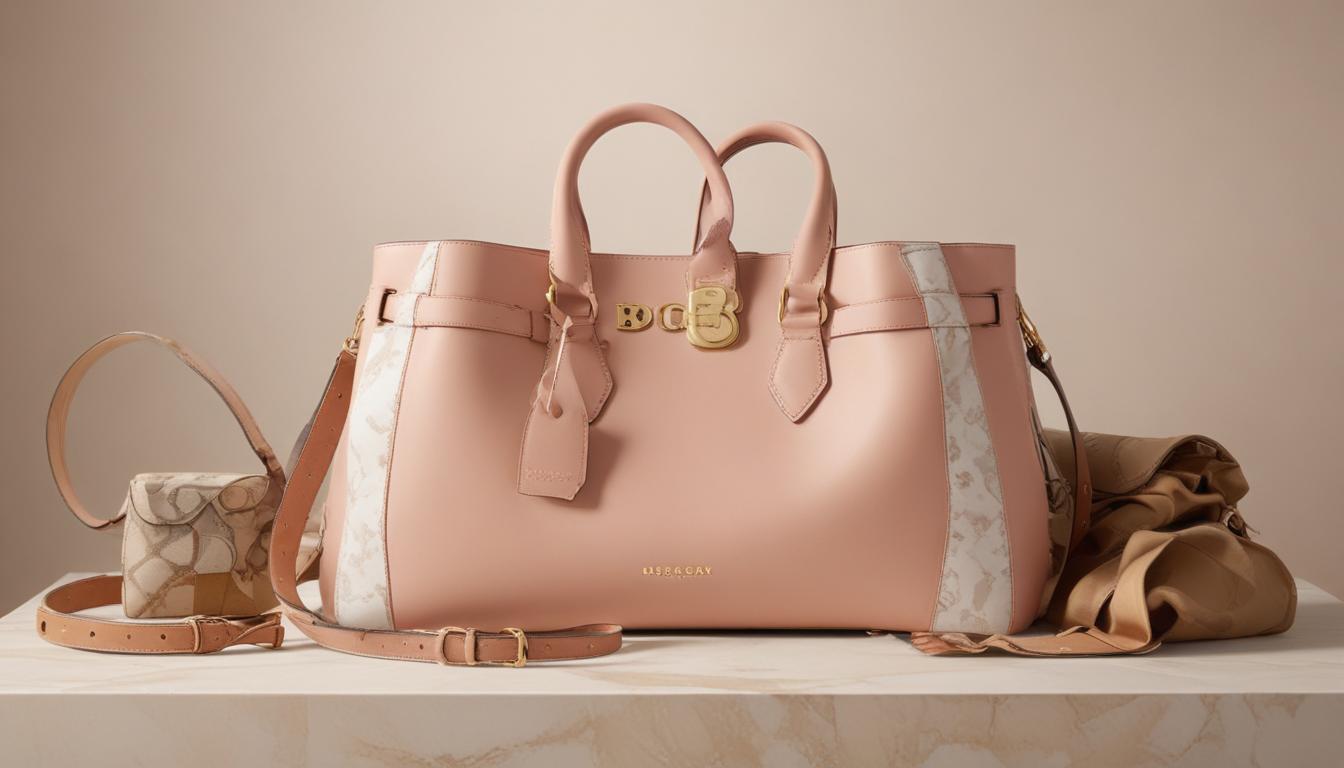

Is Burberry Luxury Compared to Gucci, Prada & Dior?
You might often find yourself pondering where certain brands truly stand in the exclusive world of high fashion.
The question, is Burberry a luxury brand, often comes up in discussions about designer labels.
You see iconic trench coats and distinctive plaid patterns, but how does Burberry stack up against powerhouses like Gucci, Prada, and Dior?
Understanding What Luxury Really Means
Before we can compare, it is important to define what “luxury” truly signifies in the fashion industry.
Luxury is more than just a high price tag or a famous name; it involves a complex set of elements.
It encompasses heritage, craftsmanship, exclusivity, brand perception, and the overall experience it offers to you.
A luxury brand often has a long and celebrated history, often spanning many decades or even centuries.
This heritage builds a story and a legacy that connects deeply with its customers.
It provides a sense of tradition and timelessness that you rarely find in mass-market brands.
Craftsmanship is another cornerstone of luxury fashion, emphasizing meticulous attention to detail.
Products are usually made by highly skilled artisans using the finest materials available.
This dedication to quality ensures durability, beauty, and a superior tactile experience for you.
Exclusivity plays a vital role in maintaining a brand’s luxury status, often involving limited production runs.
It can also mean controlling distribution channels, making products less readily available to everyone.
This scarcity helps to create a sense of desire and makes owning a piece feel more special for you.
Brand perception is how the general public and consumers view a brand, shaping its image and desirability.
A strong luxury brand evokes feelings of prestige, aspiration, and sophisticated taste.
Marketing, celebrity endorsements, and brand storytelling all contribute to this powerful perception for you.
Finally, the overall experience includes everything from the moment you encounter the brand to owning its products.
This could be the atmosphere of a boutique, the quality of customer service, or the unboxing of a new item.
A true luxury brand strives to provide you with an exceptional and memorable journey at every touchpoint.
Burberry: A Legacy of British Luxury
Let’s dive deeper into Burberry’s own story to determine, is Burberry a luxury brand.
Burberry was founded in 1856 by Thomas Burberry in Basingstoke, England.
The brand initially focused on developing outdoor attire, providing protection from the British weather.
Thomas Burberry invented gabardine in 1879, a revolutionary, hard-wearing, water-resistant yet breathable fabric.
This innovation changed rainwear forever and became a hallmark of the brand’s pioneering spirit.
The gabardine fabric was even used by explorers and aviators, proving its exceptional quality and functionality.
The iconic Burberry trench coat, developed for British officers during World War I, quickly became a fashion staple.
Its distinctive design and practical features cemented its place in fashion history.
Today, the trench coat remains a globally recognized symbol of British style and elegance for you.
Burberry’s signature check pattern, first used as a lining in the trench coat in the 1920s, is instantly recognizable.
This distinctive plaid has become synonymous with the brand around the world.
It is a powerful element that contributes significantly to Burberry’s global brand recognition and appeal.
For a period, Burberry faced challenges with its brand image due to over-licensing and widespread counterfeits.
However, under strong leadership, the brand underwent a significant repositioning strategy.
This transformation helped to restore its luxury appeal and reinforce its premium standing in the market.
Today, Burberry offers a wide range of luxury goods, including ready-to-wear, accessories, fragrances, and eyewear.
The brand emphasizes craftsmanship, quality materials, and a blend of tradition with modern design.
This continuous evolution ensures that Burberry remains relevant and desirable to contemporary luxury consumers like you.
Gucci: The Pinnacle of Italian Glamour
Now, let’s explore Gucci, a name that often comes to mind when you think of ultimate luxury.
Gucci was founded in Florence, Italy, in 1921 by Guccio Gucci, starting as a small leather goods shop.
The brand quickly gained a reputation for its exquisite craftsmanship and timeless designs.
Gucci’s heritage is deeply rooted in Italian artistry and a commitment to unparalleled quality.
The brand is known for its iconic motifs, such as the interlocking Gs, the horsebit, and the green-red-green web stripe.
These symbols are instantly recognizable and contribute to Gucci’s strong brand identity.
In recent decades, Gucci has undergone various creative transformations, notably under designers like Tom Ford and Alessandro Michele.
These periods brought new energy and a distinct aesthetic, appealing to a younger, fashion-forward audience.
Gucci is celebrated for its bold, maximalist designs, often incorporating vibrant colors and eclectic patterns that stand out.
The brand’s products span ready-to-wear, handbags, shoes, accessories, jewelry, and home decor.
Gucci’s price points are generally very high, reflecting its status as a top-tier luxury brand.
Its focus on exclusivity, coupled with its global presence, solidifies its position as a dominant force in luxury fashion.
Prada: Intellectual Chic and Modern Minimalism
Next, we turn our attention to Prada, a brand known for its sophisticated and often understated luxury.
Prada was established in 1913 by Mario Prada in Milan, Italy, initially selling leather goods and imported steamer trunks.
The brand became famous for its fine craftsmanship and innovative use of materials right from the start.
Miuccia Prada, granddaughter of Mario Prada, took over the company in 1978 and transformed it into a global fashion powerhouse.
She introduced minimalist yet highly luxurious designs, often challenging traditional notions of beauty.
Prada became known for its intellectual approach to fashion, focusing on design innovation and unexpected aesthetics.
The brand is celebrated for its use of innovative materials, particularly its pioneering nylon fabric, ‘Pocono.’
This material, previously used for military parachutes, was elevated to luxury status in Prada’s bags and accessories.
It exemplified Prada’s ability to blend utilitarianism with high fashion, creating a unique signature.
Prada’s aesthetic is characterized by clean lines, sophisticated silhouettes, and subtle branding.
While often minimalistic, Prada pieces are instantly recognizable by their quality and unique design language.
The brand appeals to those who appreciate understated elegance and intellectual fashion over overt display.
You will find Prada’s offerings include ready-to-wear, leather goods, footwear, eyewear, and fragrances.
Its price points are consistently high, reflecting its commitment to superior quality and design.
Prada maintains a strong sense of exclusivity and appeals to a discerning clientele who value thoughtful design.
Dior: French Haute Couture and Enduring Elegance
Finally, we examine Dior, a name synonymous with Parisian haute couture and timeless elegance.
Christian Dior founded his eponymous fashion house in Paris in 1946, just after World War II.
His very first collection, launched in 1947, introduced the revolutionary “New Look,” reshaping women’s fashion.
The New Look featured rounded shoulders, a cinched waist, and a full, flowing skirt, celebrating femininity and glamour.
It brought a breath of fresh air and optimism to fashion after years of wartime austerity.
This collection instantly cemented Dior’s place at the forefront of global fashion, setting new trends.
Dior’s legacy is deeply intertwined with haute couture, representing the pinnacle of bespoke craftsmanship.
Each haute couture piece is meticulously handcrafted, taking hundreds of hours and requiring extraordinary skill.
This dedication to artisanal excellence ensures unparalleled quality and artistry in every garment.
The brand is renowned for its sophisticated designs, often featuring intricate details, luxurious fabrics, and elegant silhouettes.
Dior’s aesthetic embodies grace, refinement, and a distinctly Parisian sense of chic.
Its iconic pieces include the Lady Dior bag, J’adore fragrance, and exquisitely tailored suits and dresses.
Throughout its history, Dior has been led by a succession of influential creative directors, each adding their vision.
These designers have upheld Christian Dior’s original spirit while evolving the brand for contemporary times.
The brand successfully blends its rich heritage with modern sensibilities, remaining a leader in luxury fashion.
Dior offers an extensive range of products, including haute couture, ready-to-wear, leather goods, footwear, and fine jewelry.
The brand’s price points are among the highest in the industry, reflecting its premium positioning and craftsmanship.
Dior’s global presence, combined with its strong legacy, ensures its enduring status as a top-tier luxury house.
Direct Comparison: Burberry vs. Gucci, Prada, Dior
Now that we have explored each brand individually, let’s make a direct comparison.
This comparison will help you better understand where Burberry fits in the luxury landscape.
We will look at various factors like heritage, craftsmanship, price, exclusivity, and overall brand image.
You might be asking again, is Burberry a luxury brand in the same league as these giants?
While all four brands are unequivocally luxury, there are subtle yet significant differences.
These distinctions often shape their target audience and their specific niche within the luxury market.
Key Characteristics Comparison:
To help visualize the differences, here is a table comparing some key characteristics of these brands.
This table aims to provide you with a quick overview of their defining attributes.
It highlights both their similarities and their unique selling propositions within the luxury segment.
| Characteristic | Burberry | Gucci | Prada | Dior |
|---|---|---|---|---|
| **Origin** | British | Italian | Italian | French |
| **Founding Year** | 1856 | 1921 | 1913 | 1946 |
| **Core Identity** | British Heritage, Trench Coats, Check Pattern, Outerwear | Italian Glamour, Bold Designs, Interlocking Gs, Horsebit | Intellectual Chic, Minimalism, Innovative Materials, Nylon | Haute Couture, Femininity, New Look, Timeless Elegance |
| **Craftsmanship** | High-quality, durable, functional designs | Artisanal, rich detailing, opulent materials | Meticulous, material innovation, clean finishing | Exquisite, haute couture standards, intricate details |
| **Brand Image** | Classic, refined, practical luxury, modern British | Maximalist, flamboyant, trend-setting, edgy glamour | Sophisticated, intellectual, understated, avant-garde | Elegant, timeless, refined, romantic, sophisticated |
| **Price Point (General)** | Upper Luxury / Premium Luxury | High Luxury / Ultra Luxury | High Luxury / Ultra Luxury | High Luxury / Ultra Luxury |
| **Exclusivity** | High, but generally more accessible than others | Very high, strong brand control | Very high, selective distribution | Extremely high, especially couture |
Craftsmanship and Materials
All four brands are celebrated for their exceptional craftsmanship and use of premium materials.
However, their specific focus and approach can differ, influencing their unique appeal.
Understanding these nuances helps in appreciating each brand’s specific luxury proposition.
Burberry prides itself on the durability and functionality of its products, especially its iconic gabardine.
Its leather goods and apparel demonstrate a commitment to lasting quality and practical elegance.
The brand focuses on robust construction and attention to detail that ensures longevity for you.
Gucci’s craftsmanship often leans towards opulent and decorative elements, showcasing rich textures and embellishments.
Their leather goods, in particular, feature intricate detailing and a wide array of luxurious leathers and exotic skins.
The brand’s artisanal heritage is evident in every stitch, reflecting generations of Italian expertise.
Prada emphasizes innovative materials and meticulous construction, even in seemingly simple designs.
Their precision tailoring and advanced fabric development set them apart, blending tradition with technology.
Prada items often feature a clean finish that belies the complex engineering behind their creation.
Dior, rooted in haute couture, represents the zenith of craftsmanship, with bespoke creations and intricate handwork.
The brand’s ready-to-wear collections and accessories maintain these high standards, using the finest silks, wools, and leathers.
Every Dior piece reflects a legacy of unparalleled skill and artistic dedication, offering you true luxury.
Price Point Analysis
When you consider price, it’s clear that all these brands operate at the luxury end of the spectrum.
However, there are noticeable differences in their general pricing tiers and entry-level products.
These price points reflect their market positioning and perceived value for you.
Gucci, Prada, and Dior generally occupy the higher echelons of luxury pricing.
Their entry-level items, such as small accessories or fragrances, are still significantly expensive.
Main product lines like handbags, ready-to-wear, and fine jewelry often command very premium prices, sometimes reaching tens of thousands.
Burberry’s pricing is undoubtedly luxury, with trench coats and leather bags costing thousands of dollars.
However, you might find that some of its smaller accessories or scarves are slightly more accessible than equivalent items from Gucci, Prada, or Dior.
This positioning sometimes places Burberry in a category often referred to as “accessible luxury” or “premium luxury” within the broader luxury market.
It doesn’t mean Burberry isn’t luxury; it simply means it might offer a slightly wider range of price points.
This broader range can make it a gateway luxury brand for some consumers.
The high cost reflects the brand’s quality, heritage, and design, solidifying that is Burberry a luxury brand is a yes.
Brand Perception and Exclusivity
Brand perception is a complex interplay of history, marketing, and consumer experience.
Each of these brands cultivates a distinct image that resonates with a specific audience.
Their strategies for maintaining exclusivity also vary, influencing their overall appeal to you.
Burberry is perceived as a classic, refined, and enduring symbol of British style.
Its recent repositioning has enhanced its fashion-forward image while retaining its heritage roots.
The brand aims to balance wide recognition with a sense of aspirational luxury, appealing to a broad demographic.
Gucci’s perception is one of bold, contemporary glamour, often associated with celebrities and vibrant fashion trends.
It cultivates a sense of playful extravagance and maximalist style, drawing in those who love to make a statement.
Gucci maintains high exclusivity through limited editions and a powerful brand narrative.
Prada is seen as intellectual, sophisticated, and understated, appealing to those who appreciate subtle luxury.
Its perception is tied to innovation and a unique, often avant-garde, aesthetic.
Prada’s exclusivity comes from its discerning design and its appeal to a niche audience that values refined taste.
Dior holds a perception of ultimate elegance, timeless grace, and haute couture sophistication.
It is associated with Parisian chic, femininity, and a legacy of transformative fashion moments.
Dior’s exclusivity is deeply rooted in its couture heritage and its position at the pinnacle of luxury fashion.
Innovation and Design
Innovation in design is crucial for any luxury brand to remain relevant and desirable.
Each of these brands approaches innovation from its own unique perspective, rooted in its identity.
Their distinct design philosophies contribute significantly to their lasting appeal for you.
Burberry’s innovation often focuses on technical fabrics and modern interpretations of classic British motifs.
The brand has embraced digital initiatives, integrating technology into its retail experience and marketing.
This blend of tradition and modernity ensures Burberry continues to resonate with contemporary tastes.
Gucci’s design innovation is characterized by its bold experimentation, often blending historical references with contemporary pop culture.
The brand constantly pushes boundaries with vibrant colors, unexpected motifs, and gender-fluid collections.
This maximalist approach keeps Gucci at the forefront of fashion trends and cultural conversations.
Prada’s innovation lies in its intellectual approach to design, focusing on form, function, and unique material development.
Miuccia Prada often challenges conventional beauty standards, creating collections that are thought-provoking and distinct.
The brand’s minimalist aesthetic is always underpinned by clever design and a sophisticated understanding of style.
Dior’s innovation respects its couture heritage while constantly reimagining elegance for the modern woman and man.
Its designers skillfully balance timeless silhouettes with fresh details, exquisite embroideries, and artistic collaborations.
Dior continues to set trends in haute couture and ready-to-wear, maintaining its position as a global style leader.
Target Audience
Understanding the target audience for each brand can further clarify their position in the luxury market.
While there can be overlap, each brand tends to attract a specific demographic and psychographic profile.
You might find yourself drawn to one brand more than others based on your personal style and values.
Burberry appeals to those who appreciate classic elegance, British heritage, and functional luxury.
Its audience often values timeless pieces that are both stylish and practical, with a nod to tradition.
The brand attracts a diverse range of ages, from younger consumers discovering luxury to established connoisseurs.
Gucci targets a younger, more fashion-forward, and often celebrity-influenced demographic.
Its customers are drawn to bold statements, vibrant aesthetics, and a sense of playful maximalism.
They are often trend-setters who embrace expressive and recognizable designer pieces.
Prada appeals to a sophisticated, intellectual, and design-conscious consumer who values subtle luxury.
Its audience appreciates understated elegance, innovative materials, and a thoughtful approach to fashion.
They are often professionals or creatives who seek unique pieces that reflect their discerning taste.
Dior attracts a clientele that values classic femininity, haute couture artistry, and enduring elegance.
Its audience often includes those seeking investment pieces, special occasion wear, and truly exquisite craftsmanship.
Dior resonates with individuals who desire timeless sophistication and a strong connection to fashion history.
The Verdict: Is Burberry a Luxury Brand?
After this detailed exploration, the answer to is Burberry a luxury brand is a resounding yes.
Burberry possesses all the key characteristics of a luxury brand: rich heritage, superior craftsmanship, and global recognition.
Its distinctive identity, quality products, and aspirational pricing firmly place it within the luxury sector.
However, it occupies a unique space within that spectrum when compared to Gucci, Prada, and Dior.
While it stands shoulder-to-shoulder with them in terms of quality and heritage, its market positioning can feel slightly different.
Burberry often represents a more classic, practical, and perhaps slightly more accessible entry into the luxury world for you.
Gucci, Prada, and Dior, particularly in their main lines, tend to inhabit the very top tier of ultra-luxury.
Their price points are often higher, and their brand images sometimes lean towards a more overtly exclusive or avant-garde aesthetic.
These brands embody the pinnacle of high fashion, often dictating trends and setting benchmarks for extravagance.
Burberry offers a blend of tradition and modernity, appealing to a broad segment of luxury consumers.
Its focus on functional elegance and iconic pieces like the trench coat provides a distinct value proposition.
Therefore, you can confidently consider Burberry a robust and established luxury brand with its own distinguished identity.
Why the Perception Might Differ for You
You might still wonder why some people perceive Burberry differently from the other three giants.
One reason could be its past brand dilution issues, which some long-time luxury consumers might remember.
However, the brand has successfully overcome these challenges through strategic repositioning and premiumization efforts.
Another factor is the accessibility of certain Burberry products, like some accessories or fragrances, at slightly lower luxury price points.
While still luxury, this broader appeal can sometimes lead to a perception of less “exclusivity” compared to ultra-high-end items.
However, this accessibility also allows more people like you to experience the quality and prestige of the brand.
The core British identity also plays a role, setting it apart from the Italian and French fashion houses.
Burberry embodies a different type of luxury, one rooted in classic elegance, practicality, and enduring style.
This distinct cultural background contributes to its unique place in the global luxury market.
Your Journey in Luxury Fashion
Ultimately, the choice of a luxury brand often comes down to your personal taste, values, and what you seek from a product.
Do you prioritize timeless elegance and heritage, or are you drawn to bold, trend-setting designs?
Do you prefer understated sophistication or overt displays of designer branding?
Burberry offers a compelling proposition for those who appreciate classic British style, quality, and practicality.
Gucci delivers exuberant glamour and maximalist fashion statements for those who love to stand out.
Prada offers intellectual design and sophisticated minimalism for the discerning and avant-garde consumer.
Dior provides ultimate elegance, haute couture artistry, and a touch of Parisian romance.
Each of these brands brings something unique and valuable to the luxury fashion landscape.
They cater to different facets of the luxury experience, ensuring there is a perfect fit for diverse preferences.
Your personal style journey is what truly matters when choosing which luxury brand resonates most with you.
Conclusion
In conclusion, when you ask, is Burberry a luxury brand, the answer is unequivocally yes.
Burberry boasts a rich heritage, exceptional craftsmanship, and a globally recognized brand identity, all hallmarks of luxury.
It stands as a proud and established member of the luxury fashion community, offering premium quality and iconic designs.
While Burberry has its distinct British identity and market positioning, it shares the core values of luxury with Gucci, Prada, and Dior.
These three Italian and French powerhouses represent different, often higher, tiers of ultra-luxury with their unique aesthetics.
Each brand offers a unique expression of luxury, appealing to different aspects of your personal style.
The world of luxury fashion is diverse and nuanced, celebrating various forms of artistry and sophistication.
Burberry holds a strong and respectable place within this prestigious environment, offering a distinctive luxury experience.
Thank you for exploring this fascinating comparison and understanding the intricate world of luxury brands with us.

