
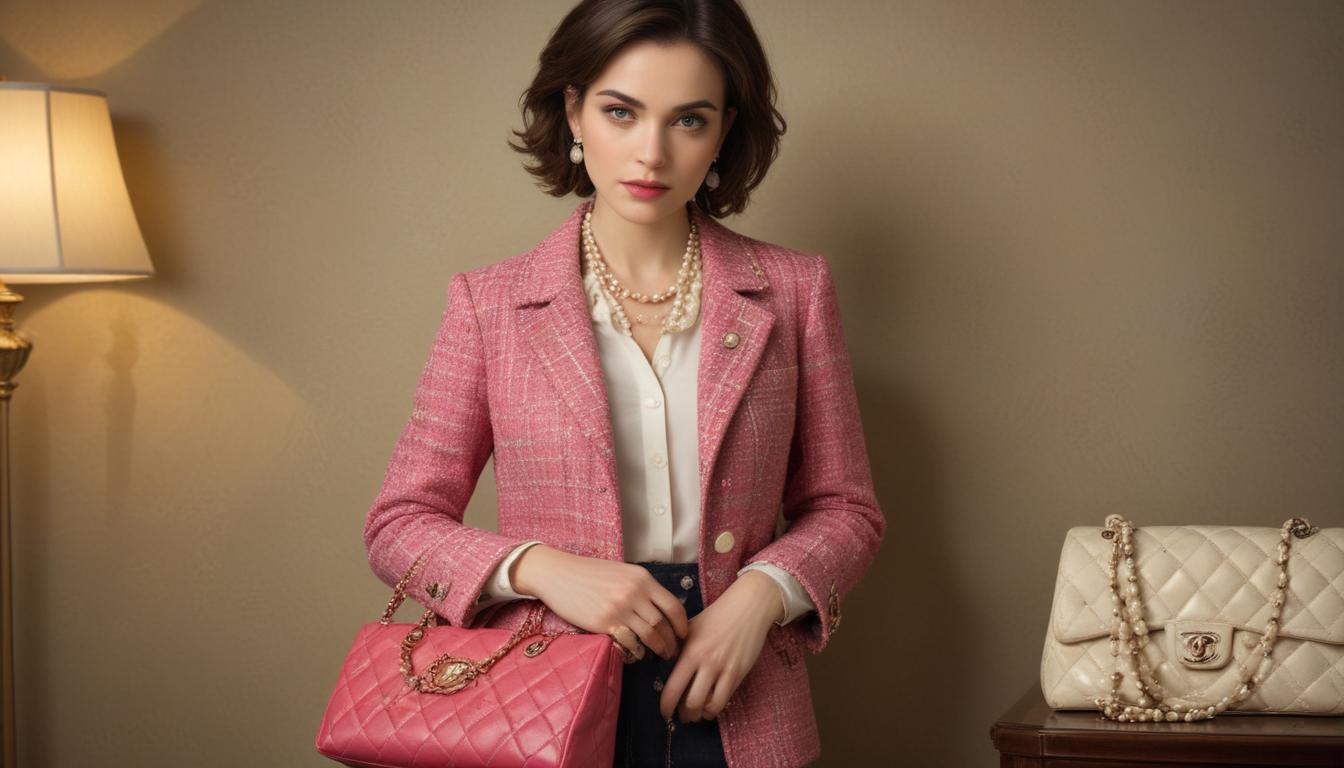
Is Chanel a Luxury Brand? What Makes It Truly Iconic
You might often ask yourself, “is Chanel a luxury brand?” This is a very common question for anyone interested in high fashion or exclusive goods. The answer is a resounding yes, Chanel is absolutely a luxury brand.
Its position at the very top of the fashion world is undeniable. This esteemed status is built upon a rich history, an unwavering commitment to quality, and a legendary creative vision.
Let us explore together what makes Chanel not just a luxury brand, but a truly iconic one that stands apart from the rest.
***
Understanding What “Luxury” Truly Means
Before we fully dive into Chanel, it is helpful to define what “luxury” truly signifies in the brand world. Luxury is much more than just a high price tag or expensive items.
It encompasses a combination of several key attributes. These attributes collectively create an experience and a perception that sets luxury brands apart.
You can identify a luxury brand by its superior quality, meticulous craftsmanship, and often, a deep sense of heritage.
Luxury items are typically exclusive, not mass-produced, and they promise a certain level of prestige and desirability.
Here are some core characteristics that define a luxury brand:
- **Exceptional Quality:** Using the finest materials and components available.
- **Superior Craftsmanship:** Products are often handmade or crafted with immense attention to detail.
- **Exclusivity and Scarcity:** Limited production ensures a sense of uniqueness.
- **Strong Brand Heritage and Storytelling:** A rich history that adds depth and meaning.
- **High Price Point:** Reflecting the quality, craftsmanship, and brand value.
- **Timeless Design:** Styles that transcend fleeting trends and remain elegant.
- **Personalized Customer Experience:** High-touch service and bespoke offerings.
- **Prestige and Aspiration:** Owning the brand conveys a certain social status.
Chanel embodies every single one of these characteristics. This deep alignment confirms without a doubt why you can consider it a top-tier luxury brand.
***
The Genesis of a Legend: Gabrielle “Coco” Chanel’s Vision
The story of Chanel begins with its remarkable founder, Gabrielle “Coco” Chanel. Her vision was revolutionary and profoundly reshaped women’s fashion forever.
She started her journey in the early 20th century, challenging the restrictive styles of the era. Coco Chanel introduced comfort, simplicity, and elegance into women’s wardrobes.
Her initial focus was on hats, but she quickly expanded into clothing, jewelry, and fragrance. You can trace the very essence of the brand back to her groundbreaking ideas.
Coco Chanel’s personal story is one of resilience and innovation. She understood what women wanted and needed long before others did.
She freed women from corsets, popularizing functional yet chic separates. This included the now-famous tweed suits and easy-to-wear jersey fabrics.
This spirit of liberation and timeless style remains at the heart of the brand. It continues to define what it means for Chanel to be a luxury brand today.
***
Pillars of Chanel’s Undeniable Luxury Status
Let’s break down the specific elements that cement Chanel’s position. These factors show why it is unequivocally a luxury brand in every sense.
The brand’s dedication to these principles is absolute. This commitment ensures its continued prominence in the global luxury market.
1. Unwavering Commitment to Exceptional Craftsmanship and Quality
When you encounter a Chanel product, you immediately notice its superior quality. This is not by chance but by design, stemming from rigorous standards.
The brand uses only the finest materials sourced from around the world. These include exquisite silks, cashmere, supple leathers, and their iconic tweed fabric.
Many pieces are meticulously handcrafted by highly skilled artisans. These artisans often possess generations of expertise in traditional techniques.
The attention to detail in every stitch, seam, and finish is paramount. This ensures that each item is not just beautiful, but also durable and perfect.
For example, a Chanel handbag can involve hundreds of steps and many hours of work. This intensive process highlights the brand’s dedication to unparalleled quality.
This level of precision and material excellence is a hallmark. It is a fundamental reason why you recognize Chanel as a true luxury brand.
2. Exclusive Design and Timeless Aesthetics
Chanel’s designs are instantly recognizable and possess a timeless elegance. They transcend fleeting fashion trends, remaining perpetually stylish.
The brand created several iconic pieces that have endured for decades. These designs are continually reinterpreted but always maintain their core identity.
This consistency in aesthetic, combined with innovative touches, keeps the brand fresh. Yet it always remains true to its heritage.
The clean lines, sophisticated color palettes, and balanced proportions are signature elements. They contribute to a classic look that appeals to many generations.
You can wear a Chanel tweed jacket from any era and still look incredibly chic. This ability to withstand the test of time is a powerful indicator of true luxury design.
The distinct style makes it clear to anyone that Chanel is a luxury brand, known for its enduring appeal.
3. Rich Brand Heritage and Storytelling
Every luxury brand has a story, but Chanel’s is particularly compelling. The narrative of Coco Chanel’s life and her revolutionary ideas is woven into the brand’s fabric.
This rich history provides depth and emotional resonance. It creates a powerful connection with its clientele.
The brand regularly references its archives and past creations. This practice reinforces its legacy and pays homage to its founder’s vision.
This storytelling extends to the iconic figures who have shaped the brand. From Coco to Karl Lagerfeld, their influence adds layers to the brand’s identity.
When you purchase Chanel, you are not just buying an item. You are also buying into a rich tradition and a powerful narrative of fashion innovation.
This deep heritage is a core component that defines why Chanel is a luxury brand with an enduring legacy.
4. Scarcity and Exclusivity
Luxury thrives on a certain level of scarcity, and Chanel masters this perfectly. The brand carefully controls its production and distribution channels.
You won’t find Chanel products in every department store. Instead, they are primarily sold through exclusive Chanel boutiques worldwide.
This limited availability enhances desirability and prevents over-saturation. It ensures that owning a Chanel item feels special and exclusive.
The pricing strategy also reflects this exclusivity. Chanel items are positioned at the very high end of the market, making them aspirational.
This approach helps to maintain the brand’s prestigious image. It makes sure that its products are always sought after.
This careful management of supply and demand solidifies the idea that Chanel is a luxury brand focused on providing unique experiences.
5. The Elevated Client Experience
A true luxury brand offers more than just products; it provides an experience. Chanel’s boutiques are designed to be elegant, welcoming, and luxurious spaces.
The sales associates are highly knowledgeable and provide personalized service. They guide you through collections with expert advice and attention.
This high level of service ensures that every interaction feels special. It reinforces the premium nature of the brand.
From the moment you step into a boutique to the presentation of your purchase, every detail is refined. This thoughtful approach enhances the overall luxury feeling.
This exceptional customer journey is integral to what makes Chanel a luxury brand. It caters to discerning clients who expect nothing but the best.
6. Price Point and Investment Value
Chanel products command significant price tags, which are a direct reflection of their quality and exclusivity. These prices are not just for the materials, but for the entire luxury ecosystem.
However, many Chanel items, particularly classic handbags, often retain their value. Some even appreciate over time, becoming coveted investment pieces.
This aspect adds another layer to their luxury appeal. It makes them more than just purchases, but valuable assets.
The brand’s careful pricing strategy ensures that items remain aspirational. It prevents them from becoming widely accessible, preserving their prestige.
This combination of high value, potential for appreciation, and premium pricing undeniably reinforces why Chanel is a luxury brand.
***
Truly Iconic: Products That Define Chanel’s Legacy
Beyond its luxury status, Chanel has created several products that have achieved iconic status. These items are instantly recognizable globally and have left an indelible mark on fashion and culture.
They represent the enduring power of Coco Chanel’s vision. They also showcase the brand’s ability to create timeless masterpieces.
Here are some of the most famous and enduring Chanel icons:
1. Chanel No. 5 Perfume
Launched in 1921, Chanel No. 5 is arguably the most famous perfume in the world. It was revolutionary for its complex, abstract floral scent, unlike single-note fragrances of its time.
Coco Chanel famously wanted a scent “that smells like a woman, not a flower.” The sleek, minimalist bottle was also groundbreaking, resembling a laboratory flask rather than a fussy flacon.
Its enduring popularity is a testament to its unique formulation and brilliant marketing. Marilyn Monroe famously wore “five drops of Chanel No. 5 and nothing else” to bed.
This fragrance is not just a perfume; it is a cultural phenomenon. Its longevity and universal appeal contribute immensely to why Chanel is a luxury brand recognized everywhere.
2. The 2.55 Flap Bag
The Chanel 2.55 flap bag, introduced by Coco Chanel in February 1955, revolutionized women’s accessories. It was designed to free women’s hands with its practical shoulder strap.
Prior to this, ladies carried clutches, which were often cumbersome. The bag features quilted leather, a chain strap, and a distinctive Mademoiselle lock, all with hidden meanings.
Its elegant design and practical features quickly made it a must-have. It remains one of the most coveted handbags globally.
Each detail, from the burgundy lining to the secret zipper pocket, tells a story. This craftsmanship and narrative confirm why Chanel is a luxury brand with deep historical roots.
Later, Karl Lagerfeld reinterpreted it with the iconic CC lock, creating the Classic Flap bag. Both versions are timeless symbols of luxury.
3. The Chanel Tweed Jacket and Suit
The Chanel tweed jacket and matching suit are synonymous with elegant power dressing. Coco Chanel introduced the tweed suit in the 1920s, inspired by menswear and British fabrics.
She aimed to create comfortable yet sophisticated clothing for women. The jacket’s structure is perfectly balanced, often weighted with a chain sewn into the hem for an ideal hang.
It embodies the brand’s philosophy of comfort, simplicity, and effortless chic. You can wear it casually or formally, showcasing its incredible versatility.
The tweed fabric itself, often custom-made for Chanel, is rich in texture and color. This makes each jacket a unique piece of art.
This enduring design is a clear indicator that Chanel is a luxury brand focused on functional elegance.
4. The Little Black Dress (LBD)
While Coco Chanel didn’t invent the concept of a black dress, she popularized the “little black dress” (LBD) in the 1920s. She transformed black, traditionally associated with mourning, into a symbol of chic sophistication.
Vogue magazine famously dubbed Chanel’s simple, elegant black crêpe de Chine dress a “Ford,” implying its universality and accessibility.
The LBD became an essential wardrobe item for women worldwide. It offered versatility, elegance, and a touch of understated luxury.
Its influence on modern fashion is immeasurable. It solidified Chanel’s reputation as a visionary in accessible yet luxurious style.
This innovation made it clear to many that Chanel is a luxury brand capable of setting global fashion trends.
5. The Camellia Flower
The camellia flower became one of Coco Chanel’s favorite motifs, adorning brooches, garments, and accessories. She admired its perfect symmetry and lack of fragrance, making it a “modest and discreet” flower.
It represents purity and longevity, reflecting the brand’s own timeless appeal. You can spot the camellia in various forms throughout Chanel’s collections.
This subtle, recurring symbol adds a poetic and feminine touch. It becomes another recognizable element of the brand’s unique aesthetic.
The camellia is a quiet yet powerful reminder of Chanel’s attention to detail and symbolic depth. This dedication to specific motifs highlights how Chanel is a luxury brand with intricate branding.
6. The Double C Logo
The interlocking double C logo is one of the most recognizable brand symbols globally. It was designed by Coco Chanel herself and first appeared in the 1920s.
The logo features two intertwined, opposing ‘C’s, representing Gabrielle Chanel’s initials. It symbolizes the brand’s identity and heritage.
You can find it on almost every Chanel product, from handbags to jewelry. It instantly communicates prestige and luxury.
The double C logo is a powerful mark of quality and exclusivity. It has become a status symbol and an iconic representation of the brand’s enduring power.
The consistent use and instant recognition of this emblem strongly reinforce why Chanel is a luxury brand with global recognition.
***
The Masterminds Behind the Icon
The longevity and continued success of Chanel as a luxury brand are not solely due to Coco Chanel. Visionary creative directors have ensured its evolution and relevance across generations.
These individuals have skillfully balanced tradition with innovation. They have kept the brand at the forefront of global fashion.
Coco Chanel: The Trailblazer
Gabrielle “Coco” Chanel’s genius lay in her ability to foresee and create what women truly desired. She understood the need for comfort and practicality without sacrificing elegance.
Her designs broke away from the corseted, elaborate styles of her predecessors. She introduced sportswear-inspired looks and a sleek, modern aesthetic.
Coco Chanel’s personal style deeply influenced her creations, projecting an image of independent, modern womanhood. Her legacy is the very foundation upon which the brand stands.
Her pioneering spirit set the standard for what it means for Chanel to be a luxury brand. Her influence remains palpable in every collection.
Karl Lagerfeld: The Revitalizer
After Coco Chanel’s passing, Karl Lagerfeld took the helm as creative director in 1983. He was tasked with revitalizing a brand that had lost some of its sparkle.
Lagerfeld masterfully respected Chanel’s heritage while injecting a fierce modernity and wit. He reinterpreted classic codes, making them relevant for contemporary audiences.
He introduced new fabrics, silhouettes, and a sense of theatricality to the runway shows. These spectacular events became highly anticipated fashion moments.
His tenure saw an explosion of accessories, ready-to-wear, and a reinvigoration of iconic elements. He firmly re-established Chanel as a dominant global luxury brand.
Lagerfeld’s ability to maintain the brand’s essence while pushing boundaries was extraordinary. He ensured the continued answer to “is Chanel a luxury brand” remained a powerful ‘yes’.
Virginie Viard: The New Era
Following Lagerfeld’s passing in 2019, Virginie Viard, his long-time collaborator, took over as creative director. She has brought a more understated, feminine, and practical approach to the brand.
Viard’s vision emphasizes wearability and comfort, echoing Coco Chanel’s original intentions. Her collections often feature softer lines and a more relaxed elegance.
She continues to honor the brand’s rich history while subtly evolving its aesthetic for a new generation. Her designs resonate with a desire for effortless luxury.
Under Viard’s leadership, Chanel maintains its position as a leading luxury powerhouse. It continues to inspire and define modern fashion for you.
***
Chanel’s Cultural Impact and Enduring Influence
Chanel’s influence extends far beyond the realm of fashion. It has permeated popular culture, art, and the very idea of feminine style.
The brand’s creations have been seen on countless celebrities, in films, and on red carpets. This widespread visibility has cemented its iconic status.
Chanel has not just followed trends; it has created them. Its aesthetic principles have shaped how women dress for over a century.
The brand represents a certain aspiration, a dream of timeless elegance and sophistication. It symbolizes a powerful and independent woman.
The story of Chanel is a testament to the power of vision, creativity, and unwavering quality. It continues to inspire designers and consumers alike.
This profound and lasting cultural footprint leaves no doubt that Chanel is a luxury brand of immense significance.
***
The Enduring Allure: Why You Choose Chanel
People worldwide continue to gravitate towards Chanel for many reasons. It offers a unique blend of heritage, quality, and undeniable style.
When you invest in a Chanel piece, you are buying into a legacy of craftsmanship and innovative design. You are acquiring something that holds its value and relevance.
The feeling of owning a Chanel item goes beyond mere possession. It is an experience of luxury, confidence, and timeless beauty.
It represents an aspiration, a desire to align with a brand that embodies excellence. You choose Chanel for its unparalleled quality and enduring appeal.
The items are not merely fashion accessories; they are statements. They tell a story of sophistication and discerning taste.
This enduring allure confirms time and again why you and many others affirm that Chanel is a luxury brand of the highest caliber.
***
Chanel vs. Other Luxury Brands: A Quick Comparison
While many brands occupy the luxury space, Chanel distinguishes itself through specific attributes. Here’s a brief look at some comparative factors you might consider.
This table highlights unique aspects that contribute to Chanel’s singular position. It shows why it stands out even among its elite peers.
| Attribute | Chanel’s Approach | General Luxury Brand Approach |
|---|---|---|
| **Heritage & Founder Influence** | Strongly tied to Coco Chanel’s revolutionary vision; very personal and empowering. | Often historical, but not always as directly linked to a single, transformative figure. |
| **Design Aesthetic** | Timeless, classic, understated elegance with distinct iconic elements (tweed, LBD, 2.55). | Varies widely, from minimalist to maximalist; some focus more on seasonal trends. |
| **Iconic Products** | A few highly recognizable, enduring icons (No. 5, 2.55, tweed jacket) that transcend eras. | May have popular items, but often rotate or have less universal, multi-decade recognition. |
| **Craftsmanship Focus** | Exceptional, often handmade, with meticulous detail in all categories (fashion, beauty, jewelry). | High quality is expected, but the degree of artisanal handiwork can vary by brand and product type. |
| **Exclusivity & Distribution** | Highly controlled through brand-owned boutiques; very limited online or third-party sales. | May include more extensive retail partnerships, online presence, or slightly wider distribution. |
| **Cultural Impact** | Profoundly shaped women’s fashion and lifestyle, inspiring art, film, and social movements. | Can be significant within fashion, but perhaps less pervasive in broader cultural narratives. |
This comparison helps you understand why Chanel holds such a unique and revered place. Its distinct approach to luxury ensures its continued iconic status.
It’s clear that while other brands are luxury, Chanel’s particular blend of history, consistent design, and absolute control sets it apart.
***
The Future of Chanel: Maintaining Its Iconic Luxury
Looking ahead, Chanel faces the challenge of staying relevant in an ever-changing world. However, its strong foundations provide a robust platform for future success.
The brand continues to invest in sustainable practices and digital innovation. It adapts to new consumer behaviors while staying true to its core values.
Virginie Viard’s direction balances tradition with a fresh perspective. This ensures that the brand continues to appeal to both loyal clients and new generations.
Chanel’s commitment to craftsmanship and exclusivity remains unwavering. This strategy is key to preserving its luxury image and desirability.
As long as it upholds these principles, the answer to “is Chanel a luxury brand” will always be a definitive yes. It will continue its iconic journey for many more decades.
The future of Chanel is about evolving its narrative without losing its soul. This delicate balance is part of its enduring appeal.
***
Final Thoughts: The Undeniable Luxury of Chanel
So, is Chanel a luxury brand? Absolutely, and in every conceivable way. It embodies the very definition of luxury through its unparalleled quality, rich heritage, and exclusive designs.
From the revolutionary vision of Coco Chanel to the innovative guardianship of Karl Lagerfeld and Virginie Viard, the brand has consistently set the benchmark. It defines what true luxury fashion should be.
Its iconic products like Chanel No. 5, the 2.55 bag, and the tweed jacket are not just fashion items. They are timeless symbols of elegance and aspiration recognized across the globe.
When you choose Chanel, you are choosing a piece of history, a work of art, and a statement of enduring style. This profound connection confirms its status as truly iconic.
The brand’s commitment to storytelling, craftsmanship, and a unique customer experience ensures its revered place. It remains at the very pinnacle of the luxury world.
Chanel is more than just a brand; it is a cultural institution. Its legacy continues to shape and inspire the world of high fashion and beyond.
The answer to the question “is Chanel a luxury brand?” is not just a simple yes; it is a celebration of enduring excellence and groundbreaking style.
You can see its influence everywhere, solidifying its place as a truly iconic brand that stands the test of time.

Leave a Reply