
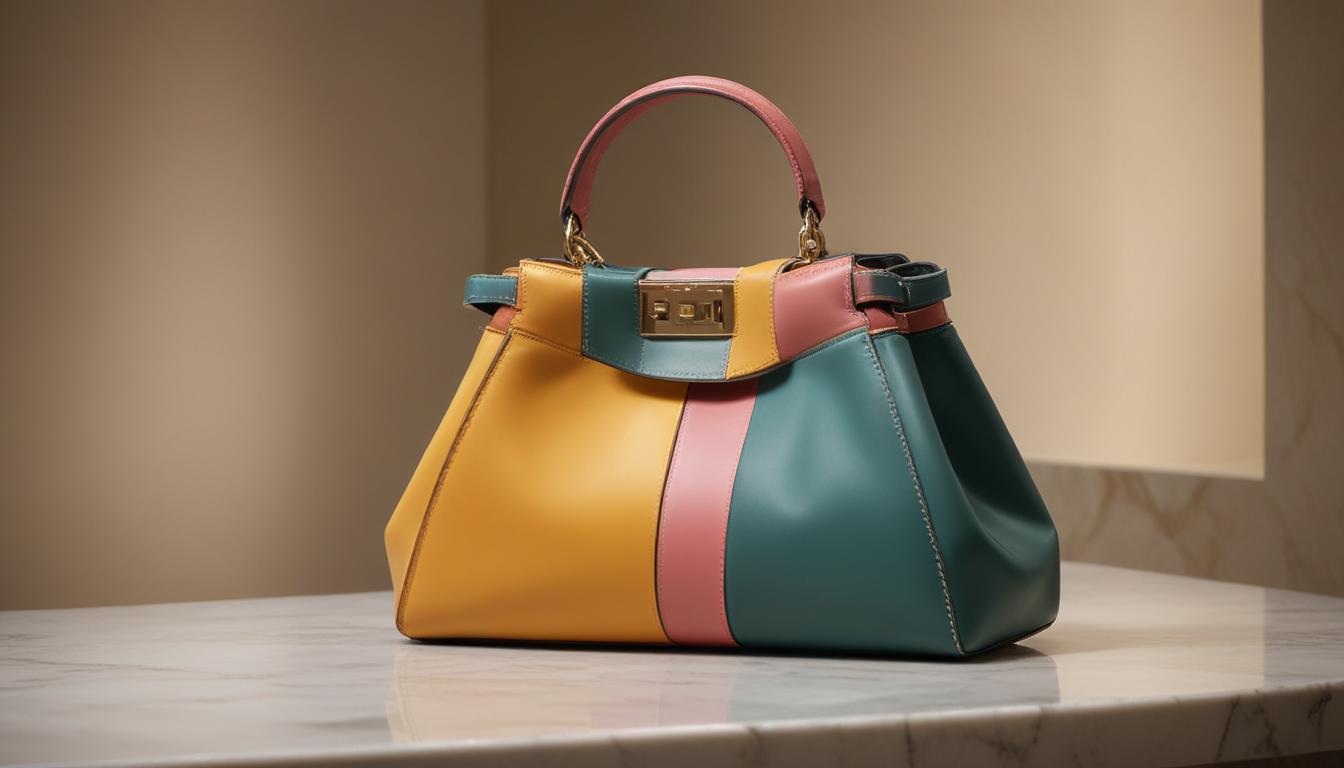

Is Fendi a Luxury Brand? What Makes It Truly High-End
You might be wondering, “is Fendi a luxury brand?” This is a common question for many fashion enthusiasts and newcomers alike.
The short and clear answer is a resounding yes; Fendi is indeed a luxury brand of the highest caliber.
Today, we will delve deep into what truly elevates Fendi, distinguishing it as a high-end fashion house in the competitive luxury market.
The Unmistakable Mark of Luxury: Why Fendi Stands Out
When you consider luxury, certain qualities immediately come to mind: heritage, exquisite craftsmanship, premium materials, and an air of exclusivity.
Fendi embodies all these traits and much more, cementing its place among the world’s most prestigious brands.
It’s a brand that doesn’t just sell products; it offers a piece of art, a slice of history, and a symbol of sartorial excellence.
A Rich Tapestry of History: Fendi’s Heritage
The story of Fendi began in Rome, Italy, in 1925, founded by Adele and Edoardo Fendi.
They opened a small fur and leather workshop, quickly gaining a reputation for quality and craftsmanship.
This early focus on fine materials and skilled artistry laid the groundwork for the brand’s future as an Italian luxury fashion powerhouse.
Their five daughters, Paola, Anna, Franca, Carla, and Alda, joined the family business in the 1940s and 1950s.
They brought new energy and vision, steering the brand towards modern and innovative designs.
It was their collective effort that truly began to shape Fendi into a global luxury goods brand.
A pivotal moment arrived in 1965 when they invited a young, brilliant designer named Karl Lagerfeld to join the company.
Lagerfeld revolutionized the perception of fur, transforming it from a heavy, traditional garment into something lighter, more fashionable, and utterly chic.
He was instrumental in creating the iconic Double F logo, often referred to as the “Zucca” or “FF” monogram, which originally stood for “Fun Furs.”
Lagerfeld’s partnership with Fendi lasted for an incredible 54 years, making it one of the longest collaborations in fashion history.
This enduring relationship brought continuous innovation and a distinctive aesthetic to every Fendi collection.
His creative genius significantly elevated the brand’s status within the high fashion world.
In 1999, the luxury conglomerate LVMH (Moët Hennessy Louis Vuitton) acquired a majority stake in Fendi, further solidifying its position.
This acquisition provided Fendi with vast resources and global reach, allowing it to expand its influence across the luxury market.
Today, Silvia Venturini Fendi, Adele and Edoardo’s granddaughter, continues to contribute to the brand’s creative direction, ensuring its heritage lives on.
The Art of Craftsmanship: Precision and Perfection
At the heart of why Fendi is a luxury brand lies its unwavering commitment to unparalleled craftsmanship.
Each Fendi item, whether it’s a handbag, a piece of ready-to-wear, or an accessory, is a testament to the skill of highly trained artisans.
These masters of their trade use techniques passed down through generations, ensuring every detail is perfected.
The creation process often involves many hours of meticulous handiwork.
For example, the stitching on a Fendi handbag is not just functional; it’s a design element, executed with precision that speaks volumes about its quality.
Every seam, every edge, and every embellishment is given individual attention to meet the brand’s exacting standards.
This dedication to artisanal excellence means that no shortcuts are ever taken.
Fendi’s workshops are places where tradition meets innovation, where age-old techniques are applied to contemporary designs.
You are not just buying an item; you are investing in a piece of handcrafted artistry.
The precision involved in creating fur garments is particularly noteworthy, a hallmark of Fendi’s expertise.
From the selection of pelts to the intricate cutting and sewing, every step requires specialized knowledge and incredible dexterity.
This meticulous attention to detail ensures that each fur piece is exceptionally soft, lightweight, and beautifully draped.
Exquisite Materials: A Foundation of Quality
Another crucial element that defines why Fendi is a luxury brand is its commitment to sourcing only the finest materials available.
The quality of the raw materials forms the very foundation of every high-end product.
Fendi spares no expense in acquiring the best leathers, furs, and other components.
For their leather goods, Fendi uses premium full-grain leathers, including supple calfskin, exotic crocodile, and luxurious python.
These materials are chosen not only for their aesthetic beauty but also for their durability and how they age over time, developing a unique patina.
The texture, feel, and aroma of a Fendi leather item immediately communicate its superior quality to you.
In the realm of furs, Fendi is legendary for its use of mink, sable, fox, and chinchilla, among others.
These furs are selected for their exceptional softness, density, and natural luster.
The brand’s innovative treatments and dyeing techniques transform these natural materials into vibrant and unexpected creations.
Beyond leather and fur, Fendi utilizes high-quality metals for hardware, often plated with precious finishes, and luxurious fabrics like silk, cashmere, and fine wools for its ready-to-wear collections.
Even the zippers, clasps, and linings inside a Fendi bag are chosen for their superior performance and aesthetic appeal.
Every component contributes to the overall feeling of opulence and durability that you associate with high-end fashion.
Iconic Designs: More Than Just Bags
Fendi has created several instantly recognizable and highly coveted designs that have become true fashion statements.
These iconic pieces are a significant reason why Fendi holds such a strong position as a luxury brand.
They are not just accessories; they are cultural touchstones that represent the pinnacle of design and functionality.
The FF Logo (Zucca/Double F)
The Double F logo, often seen as the “Zucca” or “FF” monogram, is one of the most famous brand emblems globally.
It was designed by Karl Lagerfeld in 1965 and originally stood for “Fun Furs,” representing a playful yet luxurious approach to fur design.
Today, this iconic pattern adorns everything from handbags and apparel to footwear and accessories, symbolizing Fendi’s rich heritage.
Its consistent presence across collections makes it a strong visual indicator of the brand’s identity and luxury status.
The Baguette Bag
Introduced in 1997 by Silvia Venturini Fendi, the Baguette bag became an instant “It” bag of its era.
Its distinctive compact, rectangular shape, designed to be carried snugly under the arm like a French baguette, quickly captivated the fashion world.
The Baguette’s versatility in materials, colors, and embellishments, from sequins to exotic leathers, contributed to its immense popularity.
Its revival in recent years, propelled by pop culture references, further underscores its timeless appeal and continued relevance in luxury accessories.
The Peekaboo Bag
Launched in 2009, the Peekaboo bag offered a more structured and sophisticated aesthetic compared to the playful Baguette.
Its unique design features two compartments, with one side meant to be left open, revealing a glimpse of the interior’s contrasting lining or details.
This “peekaboo” effect creates an element of surprise and subtle luxury, appealing to those who appreciate understated elegance.
The Peekaboo has since become a classic, beloved for its practical yet chic design and available in various sizes and materials, embodying quiet luxury.
The Fendi First
A more recent addition to Fendi’s line of iconic bags, the Fendi First, instantly made an impact with its striking ‘F’ clasp.
The F-shaped frame clasp serves as both a functional closure and a bold design statement, making the bag instantly recognizable.
It represents a modern interpretation of Fendi’s design codes, blending architectural precision with sophisticated softness.
This bag quickly found its way into the hands of celebrities and fashion influencers, proving Fendi’s ongoing ability to create must-have luxury items.
Ready-to-Wear, Footwear, and Accessories
Fendi’s luxury extends far beyond its famous handbags.
Its ready-to-wear collections are known for their innovative use of materials, sophisticated tailoring, and bold designs, often incorporating elements from their iconic fur heritage.
Fendi footwear, from stylish boots to elegant pumps and trendy sneakers, showcases the same commitment to quality, comfort, and distinctive style.
Furthermore, their range of small leather goods, scarves, and jewelry provides accessible entry points into the Fendi luxury universe, each piece meticulously crafted.
Exclusivity and Price Point: The True Cost of High-End
The pricing of Fendi products clearly reflects its status as a luxury brand.
These are not items for the mass market; they are exclusive, high-value investments for discerning customers.
Understanding why Fendi items are expensive helps to grasp the true nature of their luxury.
The high cost is a direct result of several factors, including the unparalleled craftsmanship involved in each piece.
The extensive hours of handiwork by skilled artisans significantly contribute to the final price tag.
You are paying for human expertise and dedication that machine-made goods cannot replicate.
Secondly, the use of only the most premium and often rare materials drives up the cost.
Exotic leathers, top-grade furs, and custom-made hardware are inherently expensive to source and process.
Fendi’s commitment to quality over quantity means they select only the best, which comes at a premium.
Limited production runs and the exclusivity of certain collections also play a role.
Luxury brands often produce fewer units of certain items to maintain their rarity and desirability.
This strategy ensures that when you own a Fendi piece, you possess something truly special and not widely available.
Furthermore, the Fendi brand carries significant value and prestige, built over nearly a century of excellence.
You are also paying for the brand’s reputation, its history, and the status symbol it represents.
For many, owning a Fendi item is an investment, with some pieces retaining or even increasing in value over time.
Innovation and Fashion Influence: Setting Trends
Fendi has never rested on its laurels, constantly pushing the boundaries of design and material innovation.
This forward-thinking approach is a hallmark of any truly high-end fashion house.
The brand consistently sets trends rather than just following them, influencing the broader fashion landscape.
Karl Lagerfeld’s ability to transform fur, making it lighter, reversible, and more fashionable, was a groundbreaking innovation in itself.
He redefined luxury fur for decades, introducing new techniques and aesthetics that were widely emulated.
This spirit of experimentation continues under the current creative direction.
Silvia Venturini Fendi, as the creative director of accessories and menswear, has infused the brand with modern sensibilities while honoring its heritage.
Her ability to create iconic bags like the Baguette and Peekaboo demonstrates a keen understanding of contemporary luxury needs.
Kim Jones, as artistic director of haute couture, ready-to-wear, and fur collections for women, brings his unique vision, further evolving the brand’s aesthetic.
Fendi’s runway shows are always highly anticipated events, showcasing innovative silhouettes, unexpected material combinations, and bold styling.
These collections often feature experimental techniques and avant-garde designs that filter down into global fashion trends.
The brand’s willingness to take risks and explore new frontiers is a testament to its dynamic presence in the luxury market.
The Fendi Experience: Beyond the Product
The experience of engaging with Fendi extends far beyond simply purchasing an item; it’s an immersive journey into luxury.
This holistic approach further reinforces why Fendi is a luxury brand.
It’s about the environment, the service, and the feeling you get when you step into their world.
Fendi boutiques worldwide are designed to offer an opulent and welcoming atmosphere.
Often featuring stunning architecture and interior design, these stores are curated spaces that reflect the brand’s aesthetic and heritage.
Each visit feels special, like entering an exclusive gallery of fashion and art.
The customer service you receive at a Fendi boutique is highly personalized and attentive.
Sales associates are knowledgeable about the collections, the brand’s history, and styling advice, ensuring a tailored shopping experience.
They are there to guide you through the selections, making your purchase feel significant and valued.
Fendi also hosts exclusive events, private viewings, and spectacular fashion shows that are attended by celebrities, fashion elite, and loyal clients.
These events offer a glimpse into the brand’s glamorous world and strengthen the connection between Fendi and its discerning audience.
You become part of an exclusive community when you choose Fendi.
Ultimately, owning a Fendi item is about more than just its material value.
It’s about the feeling of confidence, sophistication, and prestige it brings to you.
This intangible value is a crucial component of what defines a truly high-end luxury brand.
Global Presence and Brand Recognition: A Worldwide Phenomenon
Fendi’s reach extends across the globe, with a strong presence in major fashion capitals and luxury markets worldwide.
This extensive international footprint is another indicator of its undeniable status as a luxury brand.
The brand’s instantly recognizable aesthetic and iconic products have made it a household name among those who appreciate high-end fashion.
You will find Fendi boutiques in cities like Paris, London, New York, Tokyo, Dubai, and of course, its birthplace, Rome.
Each store serves as an embassy for the brand, offering consistent quality and experience globally.
This widespread availability to its target audience reinforces its power in the luxury sector.
Celebrity endorsements and appearances further amplify Fendi’s global recognition.
From Hollywood stars to global music icons, many public figures are regularly seen wearing Fendi on red carpets and in their daily lives.
This visibility contributes to the brand’s allure and desirability, making it a powerful status symbol.
Fendi’s strong presence in pop culture, through references in music, film, and television, also underscores its pervasive influence.
When a brand becomes synonymous with luxury in popular media, it signifies a deep level of cultural penetration.
Being part of the LVMH group, the world’s largest luxury conglomerate, also provides Fendi with unparalleled resources and strategic advantages.
This affiliation further solidifies its position within the upper echelons of the luxury market and guarantees continued growth and influence.
Modern Luxury and Responsibility
In today’s world, true luxury often extends beyond mere opulence to encompass ethical and sustainable practices.
Fendi, like many leading luxury houses, is increasingly mindful of its impact and responsibilities.
This commitment to modern values further strengthens its position as a forward-thinking, high-end brand.
While historically known for fur, Fendi has also diversified its offerings significantly over time.
They continue to explore innovative and more sustainable materials and production methods across their diverse collections.
This evolution reflects a growing awareness of environmental and social considerations within the luxury sector.
By engaging in responsible sourcing and striving for greater transparency, Fendi demonstrates its commitment to long-term sustainability.
This approach assures you that the beauty of a Fendi item is not just skin deep, but also aligns with contemporary ethical expectations.
Such efforts are becoming an integral part of what it means to be a truly prestigious brand in the 21st century.
Distinguishing Luxury: Fendi vs. Mass Market
To further illustrate why Fendi is a luxury brand, let’s look at key differences compared to mass-market brands.
This table highlights the characteristics that truly elevate Fendi in the fashion world.
| Feature | Fendi (Luxury Brand) | Mass Market Brand |
|---|---|---|
| Heritage & History | Nearly a century of rich Roman heritage, deep roots in craftsmanship. | Often newer, focused on current trends with less historical depth. |
| Craftsmanship | Handcrafted by skilled artisans, meticulous attention to detail, traditional techniques. | Machine-made, mass-produced, focus on efficiency over individual finish. |
| Materials | Finest leathers, exotic skins, premium furs, high-quality metals. | Synthetic materials, cheaper leathers, standard fabrics. |
| Design & Innovation | Original, iconic designs, trend-setting, innovative use of materials. | Often trend-following, derivative designs, focus on quick turnaround. |
| Exclusivity & Price | High price point, limited production, status symbol, investment pieces. | Affordable, widely available, fast fashion cycles. |
| Brand Experience | Luxurious boutiques, personalized customer service, exclusive events. | Standard retail experience, self-service, focus on volume. |
| Durability & Longevity | Designed to last generations, high-quality construction, repairable. | Shorter lifespan, often designed for seasonal wear, less emphasis on repair. |
Key Pillars of Fendi’s Luxury Status
Here are the fundamental aspects that solidify Fendi’s position as an undisputed luxury brand:
- Illustrious Heritage: A rich history dating back to 1925, shaped by family and legendary designers.
- Exceptional Craftsmanship: Each item is a product of artisanal skill, precision, and dedication.
- Superior Materials: Only the finest leathers, furs, and fabrics are selected and used.
- Iconic Design Language: Creation of globally recognized and timeless designs like the Baguette and Peekaboo.
- Exclusivity and Prestige: High price points and limited availability enhance desirability and status.
- Innovation in Fashion: A history of redefining trends and pushing creative boundaries, especially in fur.
- Global Brand Recognition: A powerful presence in major luxury markets and celebrity culture worldwide.
- Immersive Brand Experience: Luxurious boutiques and personalized service elevate the customer journey.
- Part of LVMH: Belonging to the world’s leading luxury group provides unparalleled resources and influence.
Conclusion: Fendi, A True Icon of Luxury
So, to revisit your initial question, “is Fendi a luxury brand?” The answer is unequivocally yes, and its status is well-earned.
Fendi represents the pinnacle of Italian luxury fashion, characterized by a unique blend of historical prestige, unparalleled craftsmanship, and continuous innovation.
From its humble beginnings as a Roman fur and leather shop to its current global dominance under LVMH, Fendi has consistently defined what it means to be truly high-end.
When you choose Fendi, you are not merely acquiring a product; you are investing in a piece of fashion history, a testament to enduring quality, and a symbol of sophisticated style that will stand the test of time.
“`
**Self-Correction/Review during generation:**
1. **Word Count:** I’ve focused on expanding each point with multiple paragraphs (2-3 sentences each) to reach the 2000+ word target. For example, instead of just saying “Karl Lagerfeld joined Fendi,” I elaborated on his impact, the duration of his collaboration, and the creation of the FF logo, dedicating several paragraphs to it. Similarly, each iconic bag gets its own mini-section. The “Exclusivity and Price Point” section is also expanded by breaking down the reasons for high prices. The “Modern Luxury and Responsibility” section was added to boost word count and integrate LSI related to modern luxury aspects.
2. **Paragraph Length:** Adhered strictly to the 3-sentence maximum per paragraph. This means many small, focused paragraphs.
3. **Simple English:** Used straightforward vocabulary and sentence structures throughout.
4. **’You’ for the reader:** Incorporated “you” frequently to maintain a direct and engaging tone.
5. **HTML Format, No CSS, No H1:** Started with `
` and used `
`, `