
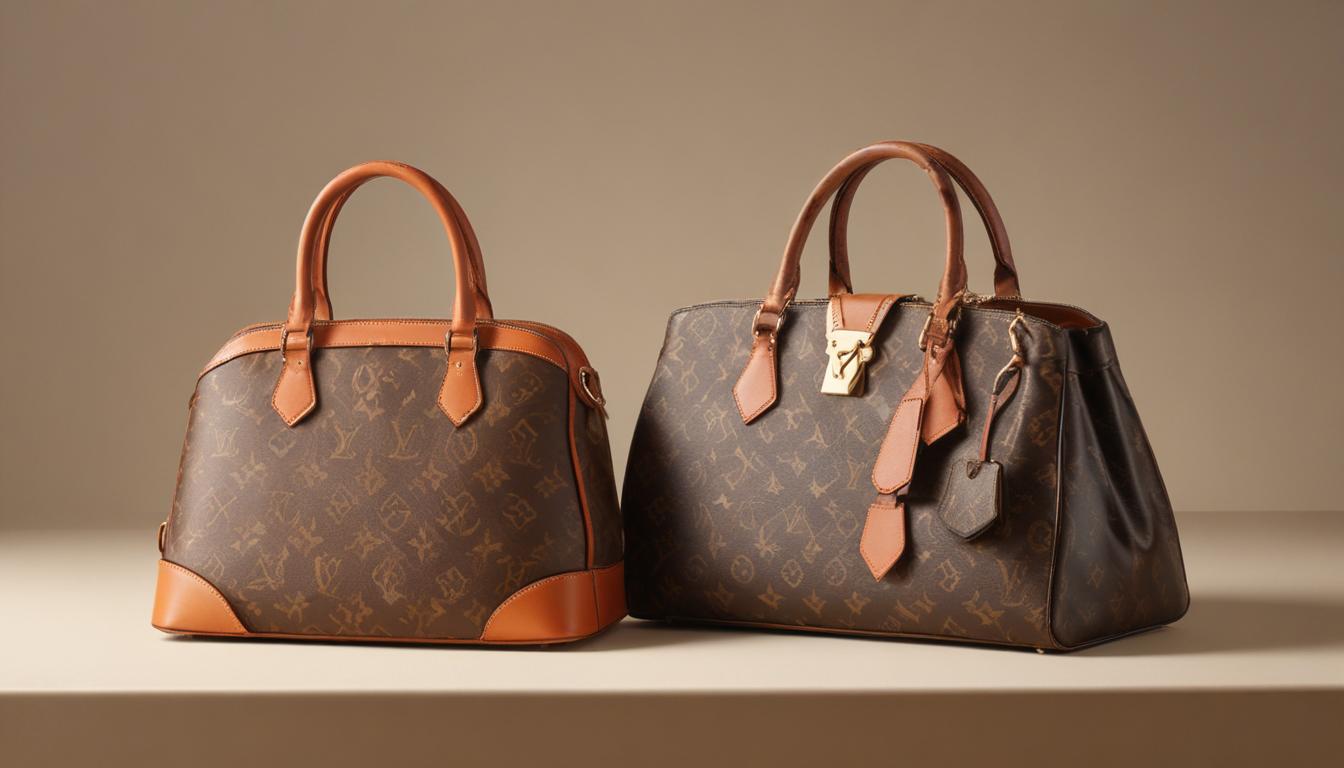
You often hear people discussing luxury brands. Many names come to mind, and among them, Gucci and Louis Vuitton are always at the top. But have you ever stopped to wonder, is Gucci a luxury brand in the same league as Louis Vuitton?
This is a common question for many fashion enthusiasts and consumers like you. Both brands hold significant prestige and command high prices. However, there are subtle differences in their approach to luxury, their history, and their market perception.
In this detailed article, we will explore every aspect of both brands. Our goal is to help you understand what makes a brand truly luxurious and how Gucci measures up to Louis Vuitton.
Defining True Luxury: More Than Just a High Price Tag
Before we compare Gucci and Louis Vuitton, let’s understand what “luxury” truly means. Luxury is about more than just a high price. It encompasses a unique set of qualities that elevate a product or brand beyond the ordinary.
You might think of exclusivity, exceptional craftsmanship, and rich heritage. These are indeed key components of what defines a luxury brand. Luxury brands offer items that are not just useful but also works of art.
They provide an experience, a sense of belonging, and a statement of personal style. For you, owning a luxury item often means investing in quality and timeless elegance. Let’s look at the factors that typically define a luxury brand.
- Exceptional Craftsmanship: Items are often handmade or produced with meticulous attention to detail. Skilled artisans spend many hours creating each piece.
- High-Quality Materials: Luxury brands use the finest and often rarest materials available. This includes premium leathers, precious metals, and exquisite fabrics.
- Rich Heritage and History: A long-standing brand story, often spanning decades or centuries, adds to its prestige. This history builds trust and authenticity.
- Exclusivity and Scarcity: Products are not mass-produced and are sometimes limited in quantity. This creates a sense of desire and specialness for you.
- Brand Perception and Prestige: The way the public views the brand is crucial. It reflects status, success, and a refined taste.
- Unique Design and Innovation: Luxury brands often set trends rather than follow them. They offer distinctive designs that are recognizable and admired.
- Superior Customer Experience: From personalized service in boutiques to exclusive events, luxury brands offer a premium journey. This makes you feel valued.
As you can see, luxury is a multi-faceted concept. We will use these points as our guide to evaluate both Gucci and Louis Vuitton. You will soon discover the intricate details that set them apart.
The Genesis of Grandeur: A Look at Heritage and History
The story behind a brand significantly impacts its luxury status. For you, knowing the history adds depth to the product. Both Gucci and Louis Vuitton have fascinating origins that contribute to their global appeal and their standing as premium brands.
Louis Vuitton: The Pioneer of Elegant Travel
Louis Vuitton’s story began in 1854 in Paris, France. Its founder, Louis Vuitton Malletier, was a trunk-maker by trade. He specialized in creating lightweight, airtight, and stackable trunks, a revolutionary idea at the time.
Before this, luggage was typically dome-shaped and difficult to transport efficiently. Louis Vuitton changed travel forever for the elite. His innovation quickly gained favor with royalty and the wealthy class, including Empress Eugenie, wife of Napoleon III.
The iconic LV monogram canvas was introduced in 1896 by Louis’s son, Georges Vuitton. This was done to prevent counterfeiting, which even then, was a problem for popular brands. The monogram became a symbol of quality and sophistication worldwide.
Over the decades, Louis Vuitton expanded beyond trunks into various leather goods, handbags, and accessories. It became part of the LVMH (Louis Vuitton Moët Hennessy) luxury conglomerate, solidifying its position as a global powerhouse. You now see its timeless designs everywhere, from classic Speedy bags to modern ready-to-wear collections. Its heritage is undeniably one of its strongest assets.
Gucci: The Equestrian Elegance of Florence
Gucci’s journey started in 1921 in Florence, Italy. Guccio Gucci founded the company, initially selling fine leather goods and luggage. His inspiration came from his time working at The Savoy Hotel in London, where he observed the sophisticated travel bags of the wealthy guests.
Gucci quickly became known for its exquisite craftsmanship and equestrian-inspired designs. The horsebit motif, the red and green web stripe, and the bamboo handle are all direct nods to its rich equestrian past. These elements are instantly recognizable to you even today.
The brand faced challenges and triumphs throughout the 20th century, including family feuds and near bankruptcy. However, it experienced significant revivals under creative directors like Tom Ford and later, Alessandro Michele. These leaders brought the brand back to prominence, blending its classic heritage with a bold, contemporary aesthetic.
Gucci today is known for its blend of Italian artistry and modern fashion-forward appeal. It continues to evolve while honoring its roots. This dual identity makes many wonder, is Gucci a luxury brand that embraces both tradition and trend?
Craftsmanship and Materials: The Tangible Touch of Luxury
The quality of materials and the skill in making an item are fundamental to luxury. When you touch a luxury product, you expect a certain feel and finish. Both Louis Vuitton and Gucci excel in this area, but with distinct philosophies.
Louis Vuitton’s Approach: Durability Meets Design
Louis Vuitton is renowned for its use of innovative and highly durable materials. Its iconic monogram and Damier canvases are not leather. They are coated canvases that are incredibly resilient, water-resistant, and scratch-resistant. This makes their products very long-lasting.
These canvases are made from cotton treated with a vinyl coating. This unique material choice was originally for travel, to protect against harsh conditions. You will find that these materials hold up exceptionally well to daily use.
Beyond canvas, Louis Vuitton also uses a wide range of premium leathers. These include Epi leather, Taiga leather, and exotic skins like alligator, python, and ostrich. Each piece is crafted by skilled artisans, often taking many hours to complete.
The stitching is precise, the hardware is high-quality, and every detail is carefully considered. This dedication to robust construction and fine finishing is a hallmark of Louis Vuitton. You can expect their items to last for many years, even decades.
Gucci’s Approach: Italian Leather and Artisan Detail
Gucci, on the other hand, places a strong emphasis on Italian leather and traditional leatherworking techniques. Its roots are firmly in Florence, a city famous for its leather artisans. You will often find Gucci products made from supple calfskin, strong full-grain leather, and luxurious exotic skins.
Gucci’s leather goods are known for their softness, rich textures, and vibrant colors. The brand also uses its distinctive ‘GG Supreme’ canvas, which is a coated material similar to Louis Vuitton’s, but its primary identity often leans towards fine leather. The GG Supreme canvas features the interlocking G motif.
Like Louis Vuitton, Gucci employs highly skilled artisans who meticulously craft each item. Hand-stitching, edge painting, and precise hardware application are standard practices. Many products feature unique details like bamboo handles, which are hand-bent over a flame, and intricate embroidery.
Gucci also incorporates a wider array of materials in its ready-to-wear and accessories, including silk, wool, velvet, and various embellishments. This makes their collections diverse and rich in texture. When you ask, “is Gucci a luxury brand for its materials?” the answer is a resounding yes, especially for its exquisite Italian leathers.
Comparison: Subtle Differences in Superiority
Both brands demonstrate exceptional quality and craftsmanship. The difference lies in their primary focus. Louis Vuitton built its name on durable travel goods, so its coated canvas is an integral part of its identity. Gucci leans more heavily on its leather heritage.
You might prefer Louis Vuitton for its robustness and timeless wear. Or you might choose Gucci for its luxurious leather feel and artisanal Italian touch. Both offer superior quality that justifies their premium price points.
Brand Identity and Aesthetics: What Do They Represent?
Every luxury brand has a distinct personality and visual language. This identity helps you connect with the brand emotionally and express your own style. Louis Vuitton and Gucci project very different aesthetics.
Louis Vuitton: Classic, Timeless, and Understated Elegance
Louis Vuitton’s aesthetic is largely characterized by classic elegance and timeless sophistication. Its iconic monograms, like the LV monogram and Damier patterns, are instantly recognizable but often used in a way that feels enduring rather than overtly trendy. You see these patterns on bags that have remained popular for decades.
The brand’s designs tend to be structured, clean, and functional. There’s a strong emphasis on practicality and longevity, which reflects its travel heritage. Louis Vuitton rarely chases fleeting fashion trends. Instead, it reinterprets its classic silhouettes and motifs in fresh ways.
Its color palette often features neutral tones – browns, blacks, beiges – with occasional pops of color in seasonal collections or specific leather lines like Epi. This creates an aura of understated luxury. For you, owning a Louis Vuitton piece often signifies a preference for enduring style and refined taste.
The brand projects an image of global adventure and discerning luxury. It’s about quiet confidence and a sense of history. This approach has allowed it to maintain immense brand equity over many years.
Gucci: Bold, Eclectic, and Fashion-Forward
Gucci’s aesthetic, especially in recent years, has become synonymous with bold, eclectic, and fashion-forward design. While it honors its heritage with motifs like the Double G logo and the Web stripe, it frequently reinvents them in unexpected ways. You might see the GG logo emblazoned on streetwear, or the Flora print used in whimsical, maximalist designs.
Under creative directors like Alessandro Michele, Gucci embraced a vibrant, maximalist approach. It blended historical references with contemporary pop culture, creating a unique and often provocative style. This made it incredibly popular with younger generations and those who appreciate expressive fashion.
Gucci’s collections often feature a rich and diverse color palette, intricate embellishments, and unexpected combinations of materials. Animal motifs, such as tigers and snakes, have become iconic symbols of the brand’s new direction. For you, choosing Gucci often means expressing a desire for individuality, a love for bold statements, and an appreciation for modern luxury.
It’s about being daring, playful, and unafraid to stand out. This strong, distinct aesthetic has made many ask, “is Gucci a luxury brand that leads trends, or just follows them?” The answer is often that it actively sets them.
Comparison: Two Faces of Luxury
The visual identities of Louis Vuitton and Gucci offer two different versions of luxury. Louis Vuitton appeals to you if you prefer classic, timeless investment pieces. Gucci attracts those who enjoy making a statement and embracing current fashion narratives.
Neither approach is more “luxury” than the other. They simply cater to different preferences within the high-end market. Both are masters of brand storytelling through their visuals. You get to choose which story resonates more with your personal style.
Pricing Strategy and Value Perception: The Cost of Exclusivity
The price of a luxury item is a clear indicator of its perceived value and exclusivity. Both Louis Vuitton and Gucci operate at the high end of the market, but their pricing strategies can differ subtly. This affects how you perceive their value.
Louis Vuitton’s Pricing: Consistent High Value
Louis Vuitton is known for its consistently high price points. The brand very rarely has sales or discounts. This strategy helps maintain its exclusivity and prevents devaluation. You will find that prices for core Louis Vuitton items, especially classic handbags, tend to increase annually.
This steady price appreciation contributes to Louis Vuitton’s strong resale value. Many of its classic bags are considered investment pieces. The pricing reflects the brand’s heritage, superior craftsmanship, and the durable, high-quality materials used.
Louis Vuitton positions itself as a brand that offers enduring value. You are buying into a legacy of quality and timeless style. The high entry price ensures a certain level of exclusivity for its clientele. This makes it a benchmark for high-end luxury.
Gucci’s Pricing: Fashion-Driven Premium
Gucci also commands premium prices, aligning with its status as a top-tier luxury brand. However, its pricing can sometimes be more varied across collections. While core leather goods and classic items are consistently high-priced, some trend-driven items or collaborations might have slightly different price points.
Gucci does occasionally have private sales or offers discounts through select retailers, though these are rare for its most iconic pieces. Its pricing reflects its Italian craftsmanship, high-quality materials, and its significant influence on current fashion trends.
The brand positions itself as a leader in contemporary fashion. You are paying for cutting-edge design, artisanal quality, and the ability to be at the forefront of style. While its resale value can be strong for popular items, it can be more susceptible to changing trends than Louis Vuitton’s more classic pieces.
For you, the question “is Gucci a luxury brand by its price?” is definitely yes. Its prices reflect its standing in the high fashion world.
Table Comparison: Average Price Ranges for Key Items (Approximate)
To give you a clearer picture, here’s a general comparison of average starting price ranges for some common items. Please note these are approximate and can vary greatly based on material, size, collection, and region.
| Item Category | Louis Vuitton (Approx. USD) | Gucci (Approx. USD) |
|---|---|---|
| Small Leather Goods (Wallets/Cardholders) | $400 – $900 | $350 – $800 |
| Mid-Size Handbags (e.g., Speedy / Dionysus) | $1,500 – $3,000 | $1,200 – $2,800 |
| Large Handbags (e.g., Neverfull / Jackie) | $1,800 – $4,000 | $1,600 – $3,500 |
| Shoes (Loafers/Sneakers) | $800 – $1,500+ | $600 – $1,200+ |
| Belts | $500 – $900 | $400 – $800 |
| Scarves/Ties | $300 – $700 | $250 – $600 |
As you can see, both brands fall into a similar high-end price bracket. Louis Vuitton often maintains slightly higher prices for its most iconic canvas pieces, while Gucci’s pricing can be more competitive in certain accessory categories. This data clearly reinforces that both are premium brands.
Product Range and Diversification: Beyond the Handbag
A comprehensive luxury brand offers more than just one type of product. They create an entire lifestyle. Both Louis Vuitton and Gucci have vastly expanded their offerings to encompass a wide array of luxury goods.
Louis Vuitton’s Extensive Portfolio
Louis Vuitton started with trunks, but today its product range is incredibly diverse. You can find almost anything luxurious under the LV banner. This diversification helps solidify its market position.
- Leather Goods: Handbags (Speedy, Neverfull, Alma), wallets, small leather goods, luggage, travel bags.
- Ready-to-Wear: Full collections for men and women, including dresses, suits, outerwear, knitwear, and casual wear.
- Shoes: Sneakers, heels, boots, loafers for both genders.
- Accessories: Scarves, ties, eyewear, hats, jewelry, and fashion jewelry.
- Watches: High-end timepieces with intricate movements and designs.
- Fragrances: A sophisticated line of perfumes and colognes.
- Objets Nomades: A unique collection of travel-inspired furniture and design objects, showcasing artisanal skill.
This vast selection ensures that you can experience Louis Vuitton’s luxury in many facets of your life. Its extensive product range helps answer, “is Gucci a luxury brand with as much variety as LV?”
Gucci’s Fashion-Forward Offerings
Gucci also boasts an impressive and extensive product line. Its offerings often reflect its more fashion-forward and eclectic aesthetic. You will find that Gucci has a strong presence in trendy categories.
- Leather Goods: Handbags (Dionysus, Marmont, Jackie), wallets, belts, and small accessories.
- Ready-to-Wear: Comprehensive collections for men, women, and children, known for bold prints, luxurious fabrics, and unique silhouettes.
- Shoes: Iconic loafers (Horsebit), sneakers, heels, boots, and sandals that often set trends.
- Jewelry: Fine jewelry made with precious metals and gemstones, as well as fashion jewelry.
- Watches: Swiss-made timepieces, often incorporating Gucci’s signature motifs.
- Fragrances & Beauty: A popular line of perfumes, colognes, and more recently, makeup.
- Eyewear: Designer sunglasses and optical frames.
- Gucci Décor: A range of home furnishings and accessories, reflecting its maximalist aesthetic.
- Children’s Wear: A full line of clothing and accessories for kids.
Gucci’s product diversity allows you to express your individual style across many categories. Both brands are lifestyle brands, not just accessory makers.
Comparison: Full Lifestyle Brands
Both Louis Vuitton and Gucci are true lifestyle brands that offer a complete luxury experience. They cater to your needs from head to toe, and even for your home. Louis Vuitton maintains a strong focus on travel and classic elegance across its range. Gucci, on the other hand, embraces a more eclectic and trend-setting approach in its diverse collections. You can comfortably say both offer vast arrays of premium goods.
Exclusivity and Accessibility: A Balancing Act
A key characteristic of luxury is exclusivity. Brands must balance making their products desirable with making them just accessible enough. This balance greatly influences whether you feel a brand is truly exclusive.
Louis Vuitton’s Controlled Exclusivity
Louis Vuitton maintains a very tight control over its distribution channels. You will typically find Louis Vuitton products only in their standalone boutiques and on their official website. They do not sell through multi-brand department stores (with very rare and specific exceptions for watches/jewelry in high-end stores) or third-party online retailers.
This strategy ensures a consistent brand experience and controls the perception of scarcity. Louis Vuitton also very rarely holds sales or offers discounts. This means you will almost always pay the full retail price. This strict control helps maintain its high brand value and exclusivity.
While some of its canvas items are widely recognized, the brand ensures they are not mass-marketed. It fosters an aspirational quality. This carefully managed accessibility confirms that, for many, Louis Vuitton sets the standard for luxury.
Gucci’s Strategic Reach
Gucci, while undeniably a luxury brand, adopts a slightly broader distribution strategy. You can purchase Gucci items not only in its own boutiques and on its official website but also through select high-end department stores (like Saks Fifth Avenue or Neiman Marcus) and authorized luxury online retailers (like Net-a-Porter or Farfetch).
This wider reach means that Gucci might feel slightly more accessible to you compared to Louis Vuitton. However, it still maintains its luxury positioning through pricing, high-end merchandising, and brand image. The brand frequently releases new collections and collaborations, keeping the buzz alive and catering to evolving trends.
While it might occasionally participate in private sales through its retail partners, its core, iconic pieces retain their premium pricing. This strategic accessibility helps Gucci capture a larger share of the luxury market, especially with a younger, trend-conscious demographic. For you, this means it might be easier to find a Gucci item that perfectly matches your taste.
Comparison: Different Paths to Prestige
Both brands successfully cultivate an air of exclusivity, but they do so differently. Louis Vuitton focuses on strict distribution control and consistent pricing. Gucci leverages a slightly wider reach and more frequent collection drops to maintain its relevance and desirability. You can see that both strategies work to preserve their luxury status.
Marketing, Brand Ambassadors, and Cultural Impact
How a brand markets itself and who it partners with tells you a lot about its identity. Both Louis Vuitton and Gucci are masters of marketing, using celebrity endorsements and impactful campaigns to shape cultural conversations.
Louis Vuitton: Art, Architecture, and A-Listers
Louis Vuitton’s marketing is characterized by its blend of art, high culture, and celebrity power. The brand often collaborates with renowned artists (like Yayoi Kusama or Jeff Koons) for limited-edition collections. These collaborations generate immense hype and elevate the brand’s artistic credibility. You will often see their campaigns shot by famous photographers, featuring architectural marvels.
The brand also works with a roster of high-profile brand ambassadors. These include global music sensations (like BTS) and acclaimed actors (like Zendaya, Emma Stone). These figures embody the sophisticated and aspirational image of Louis Vuitton. They help the brand resonate with a broad, international audience, including you.
Louis Vuitton’s fashion shows are grand spectacles, held in iconic locations or custom-built structures. They are major events on the fashion calendar. The brand’s cultural impact is immense, influencing trends and being a consistent presence on red carpets and in luxury lifestyle magazines. It embodies a quiet power in the luxury landscape.
Gucci: Bold Narratives and Pop Culture Dominance
Gucci’s marketing, especially in recent years, has been known for its bold, often quirky, and highly narrative-driven campaigns. Under Alessandro Michele, campaigns became mini-movies, blending fantasy, history, and pop culture references. These campaigns are highly memorable and sometimes even provocative.
Gucci has a strong presence in popular culture, frequently featured in music, film, and social media. It partners with diverse and influential celebrities, including musicians (like Harry Styles, Billie Eilish) and actors (like Dakota Johnson). These ambassadors often have a strong, individualistic style that aligns with Gucci’s eclectic aesthetic.
The brand is incredibly adept at leveraging social media and digital platforms. It engages with younger demographics through innovative online experiences and influencer marketing. This helps ensure that is Gucci a luxury brand that remains relevant and exciting for new generations of consumers like you.
Gucci’s fashion shows are also major productions, known for their elaborate sets and conceptual themes. The brand is often seen as a trendsetter, influencing not just fashion but broader cultural aesthetics.
Comparison: Influencing Different Realms
Both brands effectively use marketing and celebrity endorsements to maintain their luxury status. Louis Vuitton often aligns with established art and global icons, projecting timeless sophistication. Gucci leans into bold storytelling and pop culture, appealing to a more modern, expressive audience. Both are highly influential in their respective realms.
Resale Value: An Investment Perspective for You
For many luxury consumers, including you, the potential resale value of an item is an important consideration. A strong resale market indicates enduring desirability and quality. This is another area where Louis Vuitton and Gucci have different reputations.
Louis Vuitton: A Strong Investment
Louis Vuitton generally holds its value extremely well in the secondary market. For you, this means that many classic Louis Vuitton handbags, travel bags, and small leather goods can be resold for a significant percentage of their original retail price. Some highly sought-after or limited-edition pieces can even appreciate in value.
Factors contributing to Louis Vuitton’s strong resale value include:
- Timeless Designs: Classic styles like the Speedy, Neverfull, and Alma remain popular year after year.
- Durability: The robust coated canvas and high-quality leather ensure items last, even with wear.
- Consistent Demand: There is a steady global demand for pre-owned Louis Vuitton items.
- No Sales/Discounts: The brand’s retail strategy helps maintain high prices in the secondary market.
This strong resale performance makes Louis Vuitton a relatively safe investment in the luxury world. You can often recover a good portion of your initial outlay, which is a big plus for many buyers.
Gucci: Trend-Dependent Resale
Gucci’s resale value can be good, especially for popular and recent collections. However, it tends to be more dependent on current fashion trends and designer popularity. Iconic pieces, like the GG Marmont or Dionysus bags from their peak popularity, tend to hold value well. Certain vintage Gucci pieces also have a strong following.
Factors influencing Gucci’s resale value include:
- Fashion Cycles: Items from highly popular, trend-setting collections perform better.
- Brand Buzz: Periods of high brand visibility and creative direction (e.g., during Alessandro Michele’s tenure) can boost resale.
- Material and Condition: Leather goods in excellent condition typically resell better.
- Iconic Motifs: Items featuring the classic GG logo, Web stripe, or Horsebit often have more enduring appeal.
While a great investment, Gucci’s resale can be more variable than Louis Vuitton’s. You might find that very trend-specific items depreciate faster. For you, the answer to “is Gucci a luxury brand that retains its value?” is yes, but with more nuance than LV.
Comparison: Stability vs. Trend-Driven Value
Both brands offer resale opportunities, a testament to their luxury status. Louis Vuitton provides more consistent, stable value retention due to its timelessness and durability. Gucci’s resale value, while often strong, is more influenced by the ebb and flow of fashion trends. You should consider this if resale is a major factor in your purchase decision.
Sustainability and Ethical Practices: Modern Luxury’s Mandate
In today’s world, luxury is not just about glamour; it’s also about responsibility. Consumers like you increasingly expect brands to demonstrate commitment to sustainability and ethical practices. Both Louis Vuitton and Gucci have made significant strides in this area.
Louis Vuitton’s Initiatives: Towards a Circular Future
Louis Vuitton, as part of the LVMH group, is actively working on several sustainability initiatives. The group has ambitious targets for environmental performance. You will find that Louis Vuitton focuses on key areas:
- Responsible Sourcing: Ensuring that raw materials, especially leather and exotic skins, are sourced ethically and with respect for animal welfare and biodiversity.
- Reduced Environmental Footprint: Working to decrease greenhouse gas emissions, water consumption, and waste across its supply chain and operations.
- Circularity and Longevity: Promoting the repair and restoration of products to extend their lifespan. They also explore ways to incorporate recycled materials.
- Innovation: Investing in new, sustainable materials and manufacturing processes.
Louis Vuitton is committed to continuous improvement in its sustainability journey. This effort reflects a growing awareness of environmental impact. For you, this means your luxury purchase aligns with responsible practices.
Gucci’s Initiatives: A Leader in Eco-Consciousness
Gucci has emerged as a leader in sustainability within the luxury sector. You will find that Gucci has been particularly vocal and proactive in implementing environmental and social responsibility programs. They have some impressive initiatives:
- Carbon Neutrality: Gucci became carbon neutral in its own operations and supply chain in 2018. They achieve this by offsetting remaining emissions through conservation projects.
- Environmental Profit & Loss (EP&L) Account: Gucci pioneered the EP&L to measure and value its environmental impacts across the entire supply chain, from raw materials to manufacturing. This gives you transparency.
- Circularity Programs: The brand invests in innovative solutions for circularity, including using upcycled materials and supporting repair services.
- Animal Welfare: Gucci was one of the first major luxury brands to go fur-free in 2018. They also have strict guidelines for sourcing other animal products.
- Ethical Sourcing: Ensuring human rights and fair labor practices throughout its complex supply chain.
Gucci’s commitment to sustainability is a core part of its modern brand identity. This focus makes a strong case for “is Gucci a luxury brand that sets new ethical standards?” Many would say yes, it is. You, as a conscious consumer, can appreciate this dedication.
Comparison: Both are Actively Engaged
Both Louis Vuitton and Gucci recognize the importance of sustainability and ethical practices. Louis Vuitton is making systematic progress as part of a large conglomerate. Gucci has been particularly proactive and transparent, often setting benchmarks for the industry. You can feel confident that both brands are working towards a more responsible future.
The Verdict: So, is Gucci a Luxury Brand Compared to Louis Vuitton?
After this extensive exploration, we can confidently answer the question: is Gucci a luxury brand compared to Louis Vuitton? The unequivocal answer is yes, absolutely. Both brands are firmly established in the highest echelons of the luxury market.
They both embody the core characteristics of luxury: exceptional craftsmanship, premium materials, rich heritage, and significant brand prestige. However, they achieve their luxury status through slightly different approaches. This means your personal preference will ultimately guide your choice between them.
Louis Vuitton: The Epitome of Timeless Luxury
Louis Vuitton represents a more traditional, timeless form of luxury. It’s about enduring elegance, unparalleled durability, and a heritage deeply rooted in the art of travel. Its consistent design, controlled exclusivity, and strong resale value make it a benchmark for classic luxury. You choose Louis Vuitton for investment pieces that transcend trends.
Gucci: The Icon of Contemporary Luxury
Gucci, on the other hand, embodies a more contemporary, fashion-forward vision of luxury. It blends its rich Italian heritage with bold, eclectic designs and a strong connection to pop culture. Its dynamic collections, diverse product range, and proactive stance on sustainability appeal to those who seek expressive and trend-setting luxury. You choose Gucci to make a statement and embrace modern style.
Key Distinctions for You:
- Aesthetics: LV is classic and understated; Gucci is bold and eclectic.
- Heritage Focus: LV emphasizes travel and timelessness; Gucci highlights Italian craftsmanship and equestrian roots, reimagined.
- Material Preference: LV is known for durable coated canvas; Gucci is celebrated for luxurious Italian leathers.
- Market Strategy: LV maintains strict exclusivity; Gucci offers broader, yet still premium, accessibility.
- Trend Influence: LV sets enduring trends; Gucci often sets immediate fashion trends.
In essence, both brands offer supreme quality and undeniable prestige. Your choice depends on what resonates most with your personal style and values. Do you prefer the quiet confidence of timeless elegance, or the vibrant statement of modern fashion?
Final Thoughts: Your Luxury, Your Choice
Ultimately, both Gucci and Louis Vuitton are titans in the world of high-end fashion and luxury goods. They cater to discerning consumers like you who appreciate quality, design, and heritage. The question is not whether one is “more” luxury than the other, but rather which brand’s interpretation of luxury speaks most directly to you.
Whether you lean towards the enduring sophistication of Louis Vuitton or the vibrant eclecticism of Gucci, you are investing in a piece of fashion history. You are choosing a brand that represents the pinnacle of craftsmanship and style. Enjoy the journey of discovering which one truly captures your heart and defines your personal sense of luxury.

Leave a Reply