
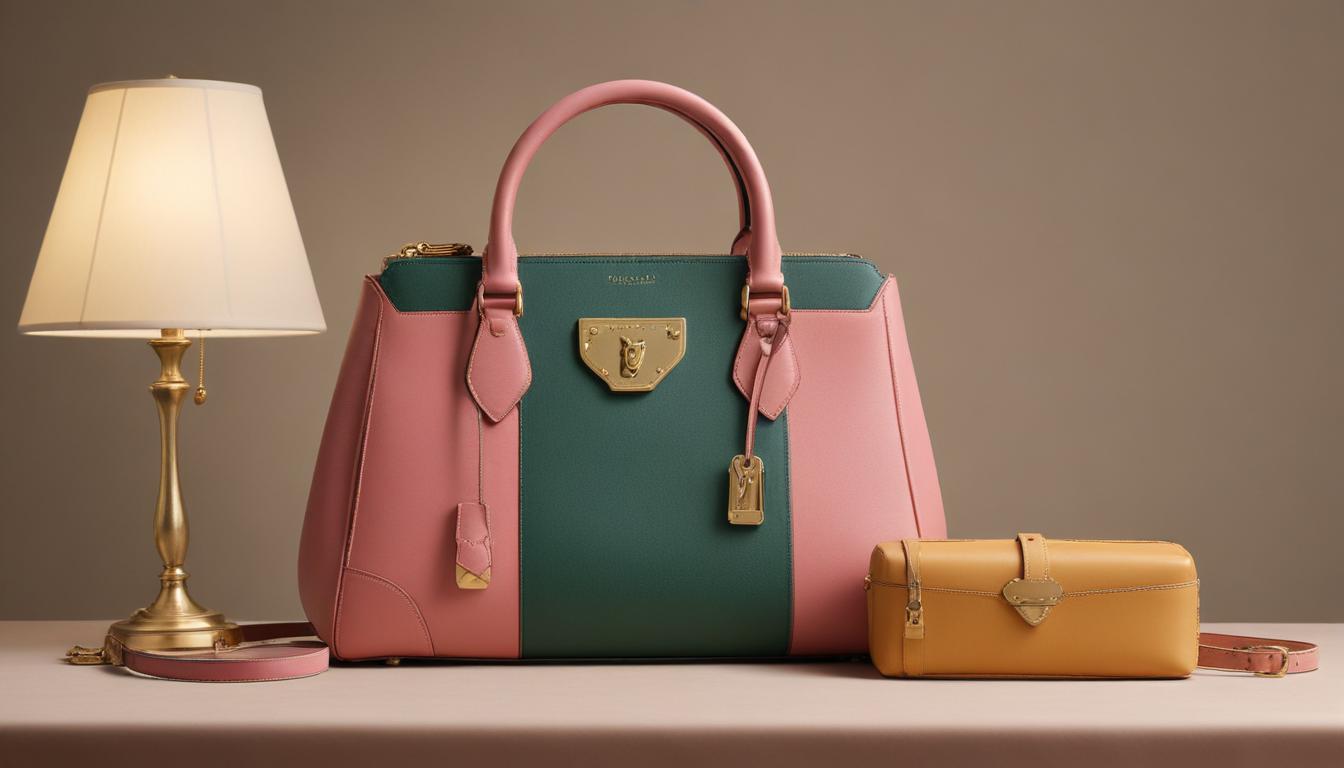
Is Prada a Luxury Brand Compared to Gucci & Louis Vuitton?
You might often wonder where Prada truly stands in the pantheon of luxury fashion houses. When we talk about high-end brands, names like Gucci and Louis Vuitton immediately come to mind for many people. This blog post will help you understand if is Prada a luxury brand and how it compares to these other titans.
We will dive deep into what makes a brand luxurious, examine Prada’s unique characteristics, and then place it alongside the iconic reputations of Gucci and Louis Vuitton. By the end, you will have a clear picture of Prada’s luxury status and its distinct appeal in the competitive luxury market. Let’s explore the fascinating world of premium fashion together.
What Exactly Defines a Luxury Brand?
Before we can answer if Prada is a luxury brand, it’s essential to understand the core elements that define a luxury brand. These elements set high-end fashion houses apart from mainstream labels. You will see that true luxury goes far beyond just a high price tag.
Several key factors contribute to a brand earning and maintaining its luxury status in the global market. Let’s explore these important characteristics one by one. Understanding these will help you analyze Prada, Gucci, and Louis Vuitton more effectively.
Exceptional Craftsmanship and Quality Materials
Luxury brands are synonymous with unparalleled craftsmanship. They employ skilled artisans who often use traditional techniques passed down through generations. These brands prioritize the meticulous construction of every item, ensuring flawless execution.
You will find that only the finest, most premium materials are used, such as exotic leathers, pure silks, precious metals, and rare gemstones. This commitment to quality ensures durability, beauty, and a superior feel. It’s about creating an investment piece, not just an accessory.
Rich Heritage and Enduring History
Many luxury brands boast a long and storied history, often dating back over a century. This heritage provides a deep sense of tradition, authenticity, and enduring prestige. Their legacy is built on years of innovation, iconic designs, and significant contributions to fashion.
You are buying into a rich narrative and a proven track record of excellence when you choose these brands. This historical depth is a powerful component of their overall brand identity. It also adds to their perceived value and exclusivity.
Exclusivity, Scarcity, and Limited Availability
True luxury is inherently exclusive; it is not mass-produced or widely accessible to everyone. Brands often limit production quantities, creating a sense of scarcity and desirability. This strategy ensures that their products remain special and coveted.
You might find that some items are only available in select boutiques or for a short period. This exclusivity elevates the perceived value and reinforces the idea of owning something unique. It makes luxury items feel like status symbols.
High Price Point and Perceived Value
The high price of luxury items is not just about material costs; it reflects the brand’s heritage, craftsmanship, exclusivity, and marketing efforts. These prices position products at the top end of the market. They signal quality and aspiration to consumers.
You are paying for the brand’s story, the intricate details, and the unique experience of owning a designer piece. This pricing strategy also ensures that the brand remains accessible only to a select clientele. It contributes to the brand’s luxury appeal.
Strong Brand Identity and Experience
A luxury brand possesses a distinct and consistent identity, from its visual aesthetics to its customer service. This identity is carefully cultivated to evoke specific emotions and values in consumers. You recognize a luxury item immediately by its unique design language.
The entire shopping experience, from walking into a boutique to unboxing a purchase, is designed to be exceptional. This focus on experience reinforces the brand’s premium status and ensures customer loyalty. It’s all part of the allure of high-end fashion.
Is Prada a Luxury Brand? A Comprehensive Look
Now that we understand the pillars of luxury, let’s turn our attention to Prada. You might be asking, “Is Prada a luxury brand that truly embodies these qualities?” The answer is a resounding yes, and here’s why.
Prada has a unique place in the luxury landscape, known for its intellectual approach to fashion and minimalist yet sophisticated designs. Its journey from a leather goods store to a global fashion powerhouse is compelling. Let’s delve into what makes Prada a true luxury icon.
Prada’s Storied Heritage and Evolution
Prada was founded in Milan, Italy, in 1913 by Mario Prada, initially as a luxury leather goods shop. It quickly became the official supplier to the Italian Royal House, a testament to its early reputation for quality and sophistication. This esteemed patronage immediately established Prada’s luxury credentials.
However, it was Mario’s granddaughter, Miuccia Prada, who transformed the brand into a global fashion phenomenon starting in the late 1970s. She revolutionized the brand, bringing an intellectual and often unconventional approach to design. Her vision propelled Prada onto the international stage, making it a pivotal name in high-end fashion.
Prada’s Distinctive Design Philosophy and Aesthetic
Prada’s aesthetic is often described as “ugly chic” or “anti-status,” which paradoxically makes it incredibly desirable. Miuccia Prada’s designs challenge traditional notions of beauty, favoring understated elegance and intellectualism over overt glamour. You will find clean lines, muted colors, and unexpected material combinations.
The brand is famously known for introducing nylon into high fashion, specifically with its iconic backpack in 1984. This move was groundbreaking, turning a utilitarian fabric into a symbol of luxury and innovation. Prada’s unique blend of sophistication and avant-garde style truly sets it apart.
Exceptional Craftsmanship and Quality Materials at Prada
Prada upholds the highest standards of Italian craftsmanship. Each bag, garment, and accessory undergoes meticulous construction, ensuring precision and durability. They utilize premium materials, ranging from the finest Saffiano leather to high-tech fabrics, all chosen for their quality and specific properties.
You can feel the quality in every stitch and detail, whether it’s a classic Galleria bag or a cutting-edge ready-to-wear piece. This unwavering commitment to excellence is a hallmark of the brand. It assures you that a Prada item is an investment in enduring style and superior construction.
Prada’s Exclusivity and Pricing Strategy
Prada maintains its exclusivity through strategic pricing and controlled distribution. Its products are sold in carefully selected boutiques worldwide, prestigious department stores, and through its official online channels. You won’t find Prada in every mall or discount store.
The price points for Prada items are firmly in the luxury range, reflecting the brand’s heritage, design, and quality. This premium pricing ensures that Prada remains an aspirational brand. It reinforces its position in the high-end fashion market.
Prada’s Market Positioning and Target Audience
Prada appeals to a sophisticated and discerning audience who appreciate intellectual design and understated luxury. Its target demographic values quality, innovation, and a distinct personal style over flashy logos. You might describe them as confident and well-informed fashion enthusiasts.
The brand occupies a unique niche, often associated with a more subtle, “quiet luxury” aesthetic compared to some of its louder counterparts. This strategic positioning reinforces its unique identity in the luxury segment. It appeals to those who seek refined elegance.
Perception of Prada in the Luxury Market
Prada is universally recognized by industry experts and consumers alike as a premier luxury brand. It consistently influences fashion trends and sets new standards for contemporary design. You will often see Prada featured prominently in top fashion magazines and on celebrity red carpets.
Its intellectual approach and forward-thinking designs ensure its relevance and desirability season after season. Prada’s commitment to art and culture, through initiatives like Fondazione Prada, further solidifies its esteemed position. This multifaceted engagement enhances its global brand reputation.
Gucci: A Powerhouse of Italian Luxury
Now, let’s turn our attention to Gucci, another Italian luxury giant that often comes up in comparisons. Gucci has a fascinating history and a distinct brand identity that sets it apart. You will discover why Gucci is considered one of the world’s most recognizable luxury fashion houses.
Its journey from humble beginnings to a global empire is a testament to its enduring appeal and adaptability. Gucci embodies a different facet of luxury, characterized by opulence and bold statements. Let’s explore its key attributes.
Gucci’s Iconic History and Heritage
Gucci was founded in Florence, Italy, in 1921 by Guccio Gucci, initially as a store selling fine leather goods and luggage. The brand quickly gained a reputation for its exquisite craftsmanship and distinctive equestrian-inspired motifs. You can still see these influences in many modern Gucci designs.
Over the decades, Gucci navigated periods of immense success and challenges, constantly reinventing itself. Its rich history includes iconic items like the Bamboo bag and the loafer, which have become enduring symbols of luxury. This long legacy is a cornerstone of its appeal.
Gucci’s Bold and Eclectic Aesthetic
Gucci’s current aesthetic is often characterized by maximalism, vibrant colors, and an eclectic mix of historical references with contemporary flair. Under recent creative direction, the brand embraced a whimsical, romantic, and often daring style. You will see rich patterns, animal motifs, and striking embellishments.
Its designs are not for the faint of heart; they are meant to make a statement and stand out. This bold approach has attracted a younger, more fashion-forward audience. It positions Gucci as a trendsetter in the luxury segment, constantly pushing boundaries.
Gucci’s Craftsmanship and Quality Assurance
As a premier Italian luxury brand, Gucci maintains exceptional standards of craftsmanship. Its leather goods, in particular, are renowned for their superior quality and meticulous construction. Skilled artisans employ traditional Italian techniques to create each piece.
You can expect high-quality materials, from sumptuous leathers to fine silks and wools, used across its extensive product range. This dedication to quality ensures that Gucci items are not only beautiful but also durable. They represent genuine investment pieces in your wardrobe.
Gucci’s Market Presence and Pricing Strategy
Gucci has an enormous global presence, with boutiques in major cities worldwide and a strong online retail platform. Its marketing campaigns are often lavish and highly visible, contributing to its widespread recognition. You see Gucci everywhere, from magazines to social media.
Its pricing is firmly in the high luxury tier, reflecting its brand prestige, design innovation, and superior quality. This pricing strategy reinforces its exclusive image. It maintains its status among discerning consumers who seek out premium goods.
Gucci’s Brand Identity and Target Audience
Gucci’s brand identity is vibrant, glamorous, and often playful, appealing to those who embrace bold fashion and wish to express individuality. Its target audience is broad, including fashion-conscious millennials and Gen Z who appreciate its maximalist aesthetic and strong visual identity. You might see it on celebrities and influencers.
The brand actively engages with youth culture, collaborating with artists and musicians, which further cements its relevance. This strategy ensures Gucci remains a dynamic and highly sought-after name. It continues to capture the hearts of fashion enthusiasts globally.
Louis Vuitton: The Epitome of French Luxury
Finally, we come to Louis Vuitton, a name almost synonymous with luxury across the globe. This French fashion house boasts an unparalleled legacy and brand recognition. You probably know its famous monogram patterns instantly.
Louis Vuitton has cultivated an image of timeless elegance, exceptional quality, and enduring value. Its products are highly coveted and represent the pinnacle of luxury goods. Let’s explore what makes Louis Vuitton an undisputed leader in the luxury market.
Louis Vuitton’s Enduring Legacy and Travel Heritage
Louis Vuitton was founded in Paris, France, in 1854 by Louis Vuitton, specializing in innovative luggage and travel accessories. He revolutionized trunk design, creating flat-topped, stackable trunks that were perfect for travel. This practical yet luxurious approach quickly garnered a loyal clientele, including royalty.
The brand’s iconic Monogram Canvas, introduced by Georges Vuitton in 1896, was designed to prevent counterfeiting and has become one of the most recognizable patterns in the world. You see this rich heritage woven into every aspect of the brand, from its iconic trunks to its modern handbags. Its legacy is deeply intertwined with the history of travel itself.
Louis Vuitton’s Classic Style and Iconic Monograms
Louis Vuitton’s aesthetic is built on timeless elegance and sophistication, often featuring its signature monogram canvas and Damier patterns. While it embraces contemporary fashion, it always grounds its designs in its rich history and classic appeal. You can easily spot a Louis Vuitton item due to its distinctive branding.
The brand primarily focuses on leather goods, handbags, and luggage, although it has expanded into ready-to-wear, shoes, and accessories. Its style is often more understated than Gucci’s but more visibly branded than Prada’s, striking a balance between classic and modern. This approach ensures wide appeal and enduring popularity.
Louis Vuitton’s Unmatched Quality and Durability
Louis Vuitton is renowned for the exceptional quality and durability of its products, especially its trunks and bags. The brand employs highly skilled artisans who use only the finest materials, including various types of leather and its famous coated canvases. You are buying a product made to last for generations.
The construction process is rigorous, ensuring that each item meets the brand’s exacting standards. This commitment to superior craftsmanship is a key reason for its reputation and high resale value. It exemplifies the concept of an investment piece, retaining value over time.
Louis Vuitton’s Exclusivity and Premium Price Point
Louis Vuitton maintains a high level of exclusivity through its controlled distribution channels, premium pricing, and strategic marketing. You will find its products only in standalone boutiques, select high-end department stores, and its official website. The brand does not participate in sales or discounts.
Its products command some of the highest price points in the luxury market, reflecting their heritage, craftsmanship, and brand prestige. This strategy reinforces its status as an ultimate symbol of luxury. It makes owning a Louis Vuitton item a significant aspirational goal for many.
Louis Vuitton’s Global Dominance and Broad Appeal
Louis Vuitton boasts an unparalleled global presence and brand recognition, making it one of the most valuable luxury brands worldwide. Its widespread appeal spans across different demographics, from seasoned luxury collectors to those making their first high-end purchase. You see its presence in nearly every major city.
The brand continually innovates while staying true to its roots, collaborating with contemporary artists and designers. This balance ensures its enduring relevance and desirability. It truly is a fashion icon that transcends generations and trends.
Comparing Prada, Gucci, and Louis Vuitton: A Side-by-Side Analysis
Now that we’ve explored each brand individually, let’s directly compare Prada, Gucci, and Louis Vuitton across several key luxury parameters. You will see their similarities and distinct differences clearly. This comparison will provide a nuanced understanding of their positions in the luxury market.
While all three are undeniably luxury brands, they cater to different tastes and project unique images. Understanding these distinctions helps you appreciate the diverse landscape of high-end fashion. Let’s look at how they stack up against each other.
Brand Comparison Table: Prada vs. Gucci vs. Louis Vuitton
This table summarizes key characteristics of each brand for an easy overview. You can quickly see how they compare on important aspects of luxury. It will highlight their unique strengths and approaches.
| Feature | Prada | Gucci | Louis Vuitton |
|---|---|---|---|
| Founded | 1913, Milan, Italy | 1921, Florence, Italy | 1854, Paris, France |
| Core Identity | Intellectual, minimalist, avant-garde, “ugly chic” | Bold, maximalist, glamorous, eclectic | Timeless, classic, heritage-driven, travel-focused |
| Signature Materials | Saffiano leather, nylon, innovative fabrics | GG Canvas, various leathers, bamboo, horsebit details | Monogram Canvas, Damier Canvas, Epi leather, exotic leathers |
| Target Audience | Sophisticated, intellectual, discerning, understated luxury seekers | Fashion-forward, expressive, youthful, celebrity-driven | Global, aspirational, classic luxury enthusiasts, status-conscious |
| Brand Visibility | Subtle branding, recognized by connoisseurs | Highly visible logos, bold prints, strong social media presence | Iconic monograms, globally recognized, omnipresent |
| Pricing (Relative) | High Luxury | Very High Luxury | Extremely High Luxury |
Design Aesthetics: Minimalist vs. Maximalist vs. Classic
Prada champions a minimalist yet intellectual aesthetic, often using clean lines and a refined, subtle approach. Its designs are often seen as smart and slightly avant-garde, appealing to those who appreciate thoughtful design. You won’t find flashy logos dominating its products as often.
Gucci, on the other hand, embraces maximalism with bold colors, intricate patterns, and prominent logos. It appeals to a more expressive and flamboyant audience who want to make a strong fashion statement. You can easily spot a Gucci item from across a room due to its distinct, vibrant personality.
Louis Vuitton strikes a balance, offering timeless classic designs often featuring its iconic monograms. Its style is instantly recognizable but generally more understated than Gucci, and more visibly branded than Prada. You find a blend of traditional elegance and modern sophistication in its collections.
Heritage and Legacy: Different Paths to Stardom
All three brands boast incredible heritage, but their legacies have evolved differently. Prada’s transformation under Miuccia Prada brought intellectualism and innovation, moving beyond just leather goods to become a full-fledged fashion house. You see its history in its enduring commitment to modern art.
Gucci has experienced dramatic shifts in creative direction, often reinventing itself to stay relevant and exciting, especially in recent decades. Its story is one of dramatic comebacks and continuous reinvention, always keeping its Florentine roots. You witness its ability to adapt and thrive through change.
Louis Vuitton has maintained a remarkably consistent brand identity centered around its travel heritage and iconic monogram. Its long-standing reputation for durable, high-quality travel goods forms the bedrock of its luxury status. You are buying into over 150 years of uninterrupted luxury tradition with LV.
Craftsmanship and Materials: A Shared Commitment to Excellence
In terms of craftsmanship and materials, all three brands uphold the highest luxury standards. They each employ skilled artisans and use premium components in their manufacturing processes. You can expect meticulous attention to detail from any of these fashion houses.
Prada is known for its exquisite Saffiano leather and its pioneering use of high-quality nylon, making utilitarian chic luxurious. Gucci showcases traditional Italian leatherwork alongside vibrant fabrics and intricate embellishments. Louis Vuitton excels in its coated canvases and various premium leathers, celebrated for their durability.
Ultimately, you are investing in expertly made goods, regardless of which of these three brands you choose. The quality and longevity of their products are never in question. This shared commitment to excellence is what defines them as top-tier luxury brands.
Pricing Strategy and Exclusivity: Catering to Different Aspirations
All three brands operate at the highest echelons of pricing, but their specific positioning can differ slightly. Louis Vuitton generally occupies the very top tier, particularly for its iconic bags and exotic leather pieces. You will find that LV rarely, if ever, goes on sale.
Gucci’s pricing is also very high, reflecting its high demand and extensive global marketing efforts. Prada’s pricing is competitive within the luxury segment, often aligning with or slightly below its direct competitors for certain categories. However, it still maintains a premium status.
Their exclusivity is maintained through controlled distribution and a deliberate avoidance of widespread discounting. You are buying into a world where products are scarce and highly sought after. This strategy is key to their luxury appeal and perceived value.
Brand Perception and Target Demographics: Who Are They For?
Prada appeals to a more intellectual and discerning clientele who value subtle sophistication and unique design. You might find them preferring a refined look rather than overt branding. They seek understated luxury and thoughtful aesthetics.
Gucci targets a younger, more dynamic, and expressive demographic, including celebrities and influencers, who are drawn to its bold and glamorous aesthetic. Its strong social media presence and collaborations resonate deeply with this audience. You’ll often see it on those making a strong fashion statement.
Louis Vuitton possesses the broadest luxury appeal, attracting a wide range of consumers from traditional luxury buyers to aspirational shoppers worldwide. Its timeless designs and strong brand recognition make it a universal symbol of luxury. You will encounter its products across many cultures and age groups.
Market Share and Global Influence: Leaders in Their Own Right
Louis Vuitton, as part of the LVMH group, consistently ranks as one of the most valuable luxury brands globally, with immense market share and recognition. Its vast network of stores and brand loyalty are unmatched. You can’t deny its dominance in the luxury segment.
Gucci, under the Kering group, is also a massive player, especially strong in attracting new generations of luxury consumers. Its powerful marketing and trend-setting designs keep it at the forefront of fashion. You see its impact on global fashion trends frequently.
Prada, though perhaps smaller in pure revenue compared to the giants, holds significant cultural influence and a strong position in the high-end fashion market. Its intellectual approach ensures its enduring respect and relevance within the fashion industry. You can count on Prada to always deliver cutting-edge, thoughtful collections.
Why the Question: Is Prada a Luxury Brand? Arises
You might still wonder why people specifically ask, “is Prada a luxury brand,” when its status seems so clear. This question often stems from subtle differences in branding and perception compared to brands like Louis Vuitton or Gucci. It’s not about being less luxurious, but rather about a different kind of luxury.
Prada’s aesthetic is often less overtly flashy than some of its peers. This can sometimes lead to a misconception that it is less “luxurious” because it doesn’t scream its brand name as loudly. However, true luxury isn’t always about bold logos or maximalist designs.
The Nuance of “Quiet Luxury” vs. “Loud Luxury”
Prada often embodies the concept of “quiet luxury,” where elegance and quality speak for themselves, rather than through overt branding. This means you might find items with subtle logos or designs that require a discerning eye to fully appreciate their value. It’s about intrinsic quality over external showmanship.
Gucci, especially in recent years, represents a more “loud luxury” approach, with bold patterns, vibrant colors, and prominent branding. Louis Vuitton, while classic, also has very recognizable monograms that are widely understood as status symbols. You can see how these differing approaches shape public perception.
Neither approach is inherently superior; they simply cater to different preferences within the luxury market. Prada’s understated approach might make it seem less immediately “luxury” to someone who equates luxury with visible brand display. However, this is a superficial judgment that misses Prada’s true depth and sophistication.
Prada’s Intellectual and Avant-Garde Edge
Prada’s designs often challenge conventional beauty standards and incorporate intellectual concepts, making them perhaps less immediately accessible to a mass audience. This forward-thinking approach might be perceived as less “classic luxury” by some consumers. You might need to understand the underlying philosophy to fully appreciate a Prada collection.
However, it is precisely this intellectual and avant-garde edge that solidifies Prada’s status as a top-tier luxury brand among fashion connoisseurs and industry experts. Its ability to innovate and set trends, rather than just follow them, is a mark of true luxury. You are buying into visionary design when you choose Prada.
Prada’s Position in the Luxury Hierarchy: Undisputed
After examining all the evidence, it is clear that Prada is unequivocally a luxury brand, standing proudly alongside Gucci and Louis Vuitton. It meets all the criteria of exceptional craftsmanship, rich heritage, exclusivity, and premium pricing. You can rest assured about its luxury status.
Its unique aesthetic and intellectual approach simply carve out a distinct niche within the luxury market. Prada offers a different flavor of luxury, appealing to those who appreciate subtlety, innovation, and a discerning eye for quality. It is not less luxurious, but rather uniquely luxurious.
A List of Prada’s Luxury Attributes:
- Historical Foundation: Established in 1913 with royal patronage.
- Innovative Design: Pioneering use of nylon, “ugly chic” aesthetic, intellectual approach.
- Superior Craftsmanship: Meticulous Italian artistry and attention to detail.
- Premium Materials: Use of high-quality Saffiano leather, exquisite fabrics, and advanced textiles.
- Exclusivity: Controlled distribution, limited availability, maintaining desirability.
- High Price Point: Products priced at the top tier of the fashion market.
- Global Recognition: Influential presence on runways, celebrity endorsement, and critical acclaim.
- Cultural Impact: Significant contributions to art and fashion dialogue through Fondazione Prada.
- Consistent Brand Identity: A clear, unique vision that resonates with its sophisticated audience.
These attributes confirm that Prada comfortably sits at the top echelon of luxury fashion brands. You should not doubt its standing in the industry. It truly embodies what it means to be a high-end fashion house, offering an experience that goes beyond mere clothing or accessories.
Conclusion: Prada’s Undeniable Luxury Status
To definitively answer the question, “is Prada a luxury brand compared to Gucci and Louis Vuitton?”, the answer is a resounding yes. Prada is absolutely a luxury brand, possessing all the hallmarks of a high-end fashion house. It is distinguished by its rich heritage, unparalleled craftsmanship, distinctive design philosophy, and premium pricing.
While it might adopt a more understated or intellectual aesthetic than the bolder Gucci or the omnipresent Louis Vuitton, this does not diminish its luxury status. Instead, it positions Prada as a choice for the discerning consumer who values quiet sophistication and forward-thinking design. You now have a comprehensive understanding of where Prada stands.
Ultimately, your choice between Prada, Gucci, and Louis Vuitton depends on your personal style and what you seek in a luxury item. Each brand offers a unique and valid interpretation of luxury, guaranteeing you a high-quality, aspirational product. Embrace the diversity within the luxury fashion world.

Leave a Reply