
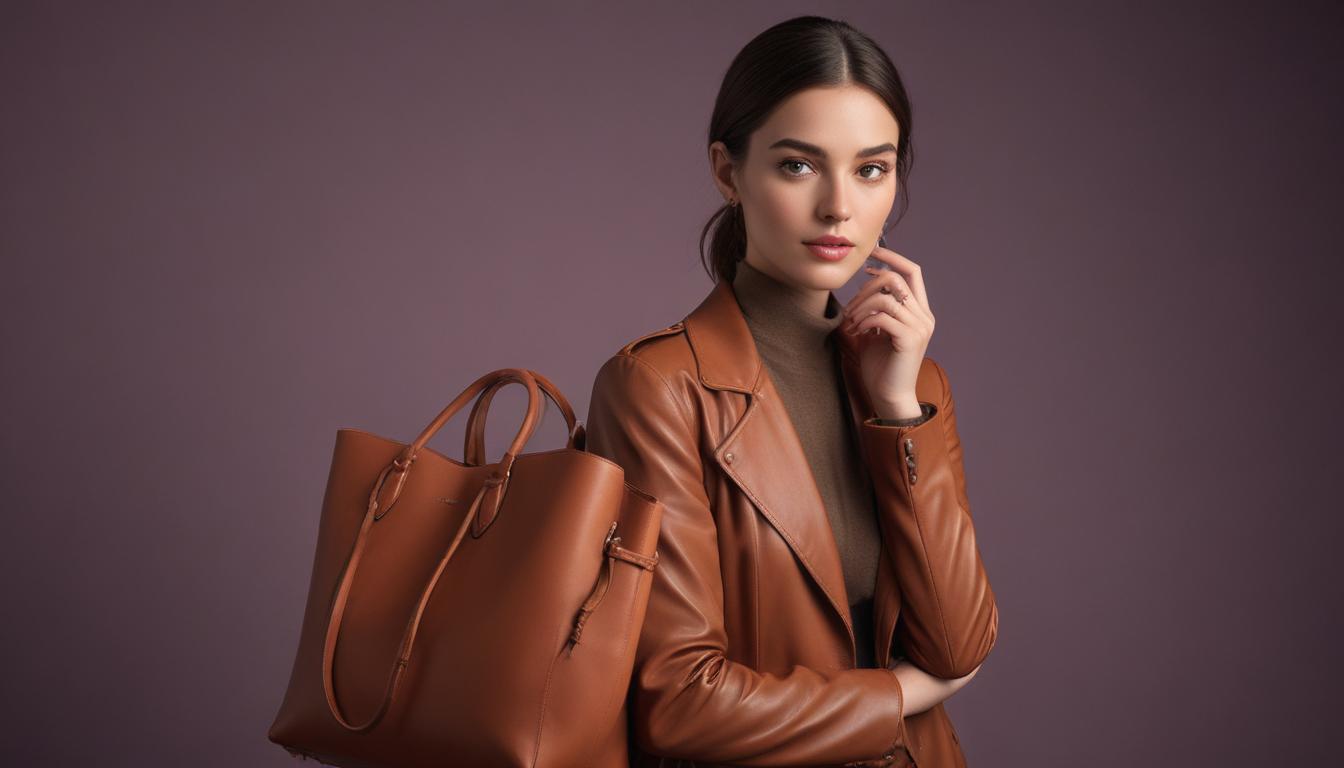
Welcome to an in-depth exploration of one of the world’s most talked-about fashion houses. You might often wonder, ‘is Prada a luxury brand’ when browsing its collections or hearing about its latest endeavors. This question delves deep into its heritage, its market standing, and the value it offers to you.
Today, we will uncover the layers of Prada’s identity, examining its rich history, its esteemed status within the fashion industry, and the intricate details behind its pricing strategies. By the end of this article, you will have a clear understanding of what makes Prada stand out. You will be able to confidently answer whether ‘is Prada a luxury brand’ for yourself.
The journey of understanding Prada begins with acknowledging its iconic presence. It’s a name synonymous with high fashion and sophisticated design. Yet, the true essence of luxury often involves more than just a famous name. This comprehensive guide aims to shed light on every aspect that defines Prada as a luxury entity.
The Genesis of Prada: A Storied History
The story of Prada began over a century ago in Milan, Italy, a city synonymous with style and elegance. Mario Prada founded the company in 1913, initially specializing in leather goods. His vision was to create exquisite bags, trunks, and travel accessories for the Milanese elite. This early focus on quality immediately set a high standard for the brand.
Prada quickly established itself as a purveyor of fine craftsmanship and elegant designs. The brand’s reputation grew, attracting a discerning clientele who valued superior materials and meticulous attention to detail. This foundational period was crucial in cementing Prada’s place in the burgeoning luxury market. Many people ask, ‘is Prada a luxury brand’ because of this long-standing heritage.
Mario Prada’s granddaughter, Miuccia Prada, took the helm of the family business in 1978. Her arrival marked a pivotal moment in the brand’s history, transforming it from a traditional leather goods manufacturer into a global fashion powerhouse. Miuccia brought a revolutionary vision, blending intellectual design with unexpected materials.
Under Miuccia’s creative direction, Prada introduced ready-to-wear collections in 1988, which quickly gained critical acclaim. Her designs were often minimalist yet highly conceptual, challenging conventional notions of beauty and luxury. This bold approach resonated with fashion enthusiasts worldwide, broadening the brand’s appeal significantly.
Miuccia Prada introduced the iconic black nylon backpack in 1984, which became an instant sensation. This innovative use of industrial material in a luxury context was groundbreaking at the time. It demonstrated Prada’s willingness to experiment, distinguishing it from more traditional luxury houses.
The brand’s expansion continued through the 1990s and 2000s, with the launch of diffusion lines like Miu Miu and numerous boutiques opening globally. Prada became synonymous with a specific kind of intellectual chic, admired for its understated elegance and artistic sensibility. The continuous evolution of the brand fuels the question, ‘is Prada a luxury brand’ today.
Prada’s history is not just about fashion but also about a family’s dedication to quality and innovation. From humble beginnings crafting leather goods, it has grown into a multifaceted luxury empire. This rich legacy forms a strong argument for why ‘is Prada a luxury brand’ remains an important discussion.
The brand’s journey reflects a constant pursuit of excellence and a bold willingness to redefine luxury. This historical foundation is a key component in understanding its current standing. You can see how deeply rooted its luxury identity truly is.
Defining Luxury: What Makes a Brand Truly Elite?
Before we delve further into Prada, it’s essential to understand what truly defines a luxury brand. Luxury is not merely about high prices; it encompasses a complex set of attributes. These elements collectively create an exclusive and desirable experience for you, the consumer. The core question ‘is Prada a luxury brand’ hinges on how well it embodies these qualities.
One of the foremost characteristics of a luxury brand is its heritage and history. A rich backstory provides a sense of authenticity and enduring value, often spanning generations. It tells a tale of tradition, expertise, and a commitment to timeless craftsmanship.
Exceptional craftsmanship and unparalleled quality are non-negotiable for any true luxury brand. This involves meticulous attention to detail, the use of superior materials, and often, handcrafted production. Every stitch, every finish, and every component must reflect the highest standards possible.
Exclusivity is another vital pillar of luxury. This can manifest through limited production runs, selective distribution channels, and high price points that restrict access to a broader market. The idea is to create a sense of rarity and special ownership for you.
A strong brand identity and perception are also crucial. Luxury brands cultivate a distinct image through their marketing, store design, and overall aesthetic. This creates an aspirational appeal, making the brand desirable to a specific, affluent demographic.
Innovation and design distinctiveness further set luxury brands apart. They often lead trends, introduce groundbreaking concepts, and possess a unique artistic vision. This ensures their products are not just well-made, but also visually striking and influential.
Finally, the customer experience plays a significant role. From personalized service in boutiques to exclusive events, luxury brands aim to provide an elevated and memorable journey for their clients. This holistic approach contributes to the brand’s overall allure.
Here’s a summary of key attributes that define a luxury brand:
- Rich Heritage: A long history of quality and tradition.
- Superior Craftsmanship: Meticulous detail and high production standards.
- Uncompromising Quality: Use of premium and rare materials.
- Exclusivity: Limited availability and high price points.
- Strong Brand Identity: Distinct image and aspirational appeal.
- Innovative Design: Trend-setting and unique artistic vision.
- Exceptional Customer Experience: Personalized service and exclusive offerings.
When evaluating whether ‘is Prada a luxury brand’, you must consider how well it aligns with each of these criteria. These standards are what separate a premium brand from a truly luxury one. They guide our understanding of Prada’s place in the elite fashion world.
Prada’s Commitment to Craftsmanship and Quality
A cornerstone of answering ‘is Prada a luxury brand’ lies in its unwavering commitment to craftsmanship and quality. Prada products are not mass-produced; they are the result of careful, often manual, processes. This dedication ensures that every item meets incredibly high standards, providing you with lasting value.
Prada sources some of the finest materials from around the globe. This includes sumptuous leathers, such as Saffiano leather, a signature material known for its durability and distinctive cross-hatch texture. The careful selection of these raw materials is the first step in creating a luxury item.
The brand’s manufacturing process often involves a blend of traditional artisan techniques and modern innovations. Skilled craftsmen, many with years of experience, meticulously construct each piece. Their expertise is evident in every seam, every detail, and every finishing touch.
Take, for instance, Prada’s leather handbags. Each bag undergoes a rigorous production cycle, from cutting the precise patterns to stitching the individual panels. The hardware, often custom-designed, is carefully attached, ensuring both aesthetic appeal and functional longevity. You can feel the quality in your hands.
Prada also uses advanced textile technologies in its nylon products, which are famously durable and water-resistant. While some might question if nylon is luxurious, Prada elevates it through innovative weaving techniques and high-grade finishes. This challenges traditional notions of luxury materials.
The brand’s factories, primarily located in Italy, maintain strict quality control standards. Each product is thoroughly inspected at multiple stages of production to catch any imperfections. This meticulous oversight guarantees that only flawless items reach the market.
Consider the inner lining of a Prada bag or the stitching on a pair of shoes. These often unseen details are given as much attention as the exterior. This demonstrates a holistic approach to quality, where no aspect is overlooked for you. Such dedication solidifies the argument that ‘is Prada a luxury brand’ is a resounding yes.
Prada’s commitment extends beyond just materials and production; it’s about creating products that stand the test of time. A Prada item is often seen as an investment piece, designed to be cherished for years, even decades. This durability is a hallmark of true luxury.
The use of specialist artisans for specific tasks further enhances the quality. For example, some craftsmen might specialize solely in handling exotic skins, while others are experts in intricate embroidery. This division of labor ensures unparalleled precision in every detail.
The brand’s emphasis on consistent quality across all its product categories — from eyewear to ready-to-wear apparel — reinforces its luxury status. You receive the same high standards whether purchasing a small accessory or a major fashion piece. This consistent excellence is key when we ask, ‘is Prada a luxury brand’.
The Exclusivity Factor: Prada’s Market Position
Exclusivity is a fundamental aspect that distinguishes luxury brands, and Prada certainly leverages this to maintain its elite status. The careful management of availability and distribution plays a crucial role. This strategy ensures that Prada products remain desirable and not overly ubiquitous for you.
Prada employs a selective distribution strategy, meaning its products are primarily sold in flagship boutiques, high-end department stores, and through its official online channels. You won’t find Prada items in discount stores or mass-market retailers. This controlled access helps preserve the brand’s premium image.
The brand’s boutiques themselves are often works of art, designed by renowned architects to offer a unique and luxurious shopping experience. These carefully curated spaces enhance the perception of exclusivity and provide an environment befitting a high-end brand. The retail experience is part of what makes Prada special.
Prada often releases limited edition collections or highly sought-after pieces, further fostering a sense of rarity. These items create buzz and desire, encouraging immediate purchase among discerning consumers. Such limited availability drives up demand and perceived value.
The high price point of Prada products naturally acts as a barrier to entry for many consumers. This deliberate pricing strategy positions the brand at the top tier of the fashion market. It ensures that only a select group of individuals can afford its creations, reinforcing its exclusive appeal.
Prada also maintains a strong presence in high-fashion media, regularly appearing in prestigious magazines and on celebrity red carpets. This strategic visibility reinforces its aspirational image and connection to the world of luxury and glamour. You see it associated with success and style.
The brand avoids aggressive discounting or sales, which could dilute its luxury image. While occasional sales may occur, they are typically discreet and controlled, never compromising the brand’s perceived value. This disciplined approach is critical for maintaining luxury status.
Prada’s market positioning is not just about selling clothes; it’s about selling a lifestyle and an identity. Owning a Prada item signifies an appreciation for quality, design, and an exclusive taste. This psychological aspect contributes greatly to its luxury appeal.
The brand also benefits from its association with the Milan fashion week, a premier event in the global fashion calendar. Its runway shows are highly anticipated, showcasing avant-garde designs and setting trends for the upcoming seasons. This places Prada at the forefront of fashion innovation.
In essence, Prada carefully cultivates an aura of desirability and aspiration through its deliberate choices in distribution, pricing, and marketing. This strategic exclusivity is a clear indicator when assessing ‘is Prada a luxury brand’. It ensures the brand maintains its premium standing among discerning consumers like you.
Prada’s Distinctive Design Philosophy and Innovation
One of the most compelling arguments for ‘is Prada a luxury brand’ lies in its distinctive design philosophy and relentless pursuit of innovation. Miuccia Prada, for decades, has been at the forefront of challenging conventional fashion norms. Her approach has consistently set Prada apart from its competitors, inspiring many designers.
Prada’s designs are often characterized by an intellectual and sophisticated minimalism. While seemingly simple, each piece incorporates subtle complexities and clever details. This understated elegance appeals to those who appreciate thoughtful design over overt branding.
Miuccia Prada has a unique ability to anticipate and even dictate fashion trends. She often draws inspiration from art, architecture, and contemporary culture, translating these influences into wearable yet thought-provoking collections. This intellectual curiosity is a hallmark of the brand.
The brand is renowned for its innovative use of materials, famously integrating industrial nylon into luxury handbags and apparel. This daring move redefined what could be considered luxurious, proving that elegance is not limited to traditional fabrics. This fusion of utility and luxury was revolutionary.
Prada frequently plays with juxtapositions: blending masculine and feminine elements, formal and informal styles, or classic and modern aesthetics. This experimental approach results in collections that are both timeless and incredibly contemporary. It offers you pieces that are versatile and unique.
The silhouettes are often clean and precise, emphasizing structure and form. Yet, there is always a sense of subtle rebellion or unexpected twist, making Prada pieces instantly recognizable without relying on loud logos. This distinctive aesthetic is deeply ingrained in the brand’s identity.
Prada’s eyewear collections, for example, often feature bold shapes and unique color combinations, reflecting the brand’s avant-garde spirit. Similarly, its footwear blends classic designs with modern updates, ensuring comfort without sacrificing style. Every product category showcases this design ethos.
The brand’s runway shows are theatrical and conceptual, more than just presentations of clothing. They are curated experiences that reflect the overarching themes and inspirations behind each collection. This artistic direction further solidifies Prada’s position as a leader in high fashion.
Prada doesn’t chase fleeting trends; instead, it often creates them. This forward-thinking approach ensures that its designs remain relevant and influential season after season. You invest in pieces that hold their style and value over time.
The collaboration between Miuccia Prada and Raf Simons, beginning in 2020, further underscored the brand’s commitment to innovation and pushing creative boundaries. This partnership brought fresh perspectives while maintaining Prada’s core identity. It showed a willingness to evolve.
This unwavering dedication to distinct design, material innovation, and artistic vision firmly places Prada in the luxury category. The question ‘is Prada a luxury brand’ finds a strong affirmative answer in its groundbreaking and influential aesthetic contributions to fashion. You are buying into a legacy of creative genius.
The Price Tag: Understanding Prada’s Premium Pricing
When you consider the question ‘is Prada a luxury brand’, the price tag is often one of the first things that comes to mind. Prada products indeed carry premium prices, which are a direct reflection of several underlying factors. Understanding these elements helps you appreciate the true value proposition.
Firstly, the cost of superior materials plays a significant role. Prada uses only the finest leathers, specialized nylons, and high-quality fabrics, all of which come at a premium price. Sourcing these exquisite materials from ethical and reliable suppliers adds to the overall cost of production.
Secondly, the meticulous craftsmanship involved in creating each Prada item contributes substantially to its price. The labor of skilled artisans, often with decades of experience, commands higher wages than mass production methods. This human touch ensures precision and durability, qualities you expect from luxury.
Thirdly, design and innovation are intellectual properties that come with a cost. The creative genius of Miuccia Prada and her design teams, who consistently deliver groundbreaking collections, is a valuable asset. You are paying for unique concepts and trend-setting aesthetics that influence the entire fashion industry.
Fourthly, research and development costs are also factored into pricing. Prada invests heavily in exploring new materials, developing innovative manufacturing techniques, and enhancing product performance. This continuous improvement ensures the brand remains at the forefront of luxury.
The brand’s marketing and advertising efforts, which maintain its global visibility and aspirational image, are also considerable expenses. These campaigns are designed to reach a discerning audience and reinforce Prada’s luxury status. You are part of this cultivated image.
Operating exclusive flagship stores in prime locations worldwide, with luxurious interiors and highly trained staff, is another significant cost. These retail experiences are part of the luxury journey, providing personalized service and an elegant environment for you.
Finally, the brand’s exclusivity and controlled distribution naturally allow for higher pricing. By limiting availability, Prada maintains a strong demand and perceived value. This strategy avoids market saturation, protecting the brand’s elite standing.
Here’s a simplified breakdown of typical price ranges for some Prada items:
| Product Category | Typical Price Range (USD) | Key Factors Influencing Price |
|---|---|---|
| Small Leather Goods (Wallets, Cardholders) | $400 – $1,000+ | Material quality, craftsmanship, brand name |
| Nylon Bags (Backpacks, Totes) | $1,500 – $3,000+ | Innovative material, design, brand recognition |
| Leather Handbags (Shoulder bags, Totes) | $2,500 – $6,000+ | Exotic leather, intricate design, artisan labor |
| Footwear (Shoes, Boots) | $800 – $2,000+ | Material, ergonomic design, specialized production |
| Ready-to-Wear (Dresses, Outerwear) | $1,000 – $10,000+ | Fabric quality, complex construction, seasonal design |
These prices are not merely for the physical product; they encompass the entire luxury experience, from the brand’s heritage to its impeccable service. This premium pricing structure is a clear indicator that ‘is Prada a luxury brand’ is undeniably true. You are paying for a piece of fashion history and unparalleled quality.
Prada’s Global Reach and Brand Perception
The global reach and strong brand perception are critical indicators when assessing ‘is Prada a luxury brand’. Prada has successfully cultivated an image that resonates with affluent consumers across continents. Its influence extends far beyond mere retail sales, impacting fashion trends and cultural conversations.
Prada operates a vast network of boutiques in major fashion capitals and luxury shopping destinations worldwide. From New York to Tokyo, Paris to Beijing, its presence is a testament to its global appeal and robust market penetration. This extensive footprint makes the brand accessible to its target demographic globally.
The brand is frequently featured in international fashion magazines, on prominent runways, and worn by A-list celebrities and influencers. This pervasive media presence ensures Prada remains top-of-mind for luxury consumers and maintains its aspirational status. You often see it associated with iconic figures.
Prada has developed a consistent brand image across all its communication channels. Its advertising campaigns are often artistic and thought-provoking, utilizing renowned photographers and models to convey its sophisticated and intellectual aesthetic. This coherent messaging reinforces its luxury identity.
The perception of Prada is one of understated elegance, intellectual design, and a certain avant-garde coolness. It appeals to individuals who appreciate subtle luxury and quality without ostentation. This distinct identity helps differentiate it from other luxury brands that might be more focused on overt glamour.
The brand’s cultural impact is significant, often influencing broader fashion trends and inspiring other designers. Its willingness to experiment with materials and silhouettes has left an indelible mark on contemporary fashion. This leadership role is a hallmark of a true luxury brand.
Prada’s collaboration with the art world, through initiatives like the Fondazione Prada, further enhances its cultural capital and brand perception. This connection to art demonstrates a commitment to intellectual and creative pursuits beyond commercial fashion. It adds depth to the brand’s image.
Consumer perception surveys often rank Prada highly among luxury brands for its quality, design, and exclusivity. These indicators suggest that the brand consistently meets the expectations of its target audience. You recognize its value and standing.
The brand’s longevity and continuous relevance over more than a century also contribute to its strong global perception. It has successfully adapted to changing tastes while staying true to its core values. This resilience is a hallmark of enduring luxury brands.
Prada’s global recognition, consistent luxury image, and profound cultural influence unequivocally confirm its status. The answer to ‘is Prada a luxury brand’ is strongly supported by its widespread presence and how it is perceived by you and the wider world. It is a true global icon in luxury fashion.
Sustainability and Modern Luxury at Prada
In today’s evolving world, the definition of luxury is expanding to include ethical and sustainable practices. Prada, like many other high-end brands, has begun to integrate sustainability into its operations and philosophy. This modern approach further strengthens the argument for ‘is Prada a luxury brand’ in the 21st century.
Prada launched its Re-Nylon project, a significant initiative that transforms regenerated nylon waste into new, high-quality fabric. This innovative material, ECONYL®, is made from recycled fishing nets, discarded carpets, and industrial plastic. It showcases the brand’s commitment to circular fashion.
This initiative not only reduces environmental impact but also demonstrates Prada’s continued innovation in materials. It redefines what luxury can be by proving that sustainable choices can still be stylish and desirable. You can feel good about choosing these options.
The brand has also set ambitious goals to increase the use of sustainable materials across its collections. This includes expanding the use of organic cotton, recycled polyester, and certified sustainable leathers. Such efforts reflect a broader industry shift towards greater responsibility.
Prada is committed to responsible sourcing, ensuring that its supply chain adheres to strict ethical and environmental standards. This involves working closely with suppliers to guarantee fair labor practices and minimize ecological footprints. Transparency in the supply chain is increasingly important for you.
The brand focuses on reducing its carbon footprint throughout its operations, from manufacturing processes to retail logistics. This includes investing in renewable energy and optimizing transportation. These efforts contribute to a more sustainable future for fashion.
Prada joined the Fashion Pact in 2019, a global coalition of fashion and textile companies committed to key environmental goals in climate, biodiversity, and oceans. This collective action highlights Prada’s dedication to industry-wide change. It signifies a serious commitment.
The Fondazione Prada, while primarily an art institution, also indirectly supports sustainable practices through its cultural programming. By promoting critical thinking and awareness, it contributes to a more conscious approach to consumption and creativity. This intellectual engagement is characteristic of Prada.
Prada’s embrace of sustainability shows an understanding that modern luxury is not just about indulgence, but also about responsibility. Consumers today, including you, are increasingly seeking brands that align with their values. This move allows Prada to remain relevant and aspirational.
By proactively addressing environmental and social concerns, Prada is evolving its definition of luxury for a new era. This forward-thinking approach ensures its enduring appeal and reinforces its position at the pinnacle of the fashion world. The brand’s commitment to sustainability makes it a more compelling answer to ‘is Prada a luxury brand’ today.
The Verdict: So, is Prada Really a Luxury Brand?
After thoroughly examining its history, commitment to quality, market positioning, distinctive designs, pricing strategy, global presence, and modern sustainable initiatives, we can confidently answer the question: ‘is Prada a luxury brand’?
The overwhelming evidence points to an unequivocal yes. Prada embodies all the essential characteristics that define a true luxury brand in the fashion industry. It seamlessly blends rich heritage with cutting-edge innovation, creating products that are both timeless and forward-thinking.
From its founding in 1913 by Mario Prada, focusing on exquisite leather goods, to Miuccia Prada’s revolutionary artistic direction, the brand has maintained a consistent trajectory of excellence. Its history is a testament to enduring quality and an evolving vision. You can trust this legacy.
Prada’s unwavering commitment to superior craftsmanship, utilizing the finest materials and skilled artisans, ensures unparalleled product quality. Each item is a testament to meticulous attention to detail, designed to provide you with lasting durability and beauty. This dedication is felt in every piece.
The brand’s strategic exclusivity, achieved through controlled distribution, premium pricing, and limited editions, cultivates an aspirational appeal. This careful management of its market position ensures that Prada remains a symbol of status and discerning taste for you. It’s not for everyone.
Prada’s distinctive design philosophy, characterized by intellectual minimalism and an innovative use of materials, sets it apart as a trendsetter. Its collections are often challenging yet elegant, pushing the boundaries of fashion and influencing global styles. You are investing in true design leadership.
The premium price points reflect the high cost of exceptional materials, expert labor, groundbreaking design, and extensive research and development. These prices are a necessary component of its luxury identity, ensuring its exclusivity and perceived value in your eyes. It is a considered purchase.
Furthermore, Prada’s extensive global reach, strong brand perception, and significant cultural influence firmly establish its place among the world’s elite luxury houses. It’s a name recognized and revered in every major fashion market. You are part of a global community of admirers.
In recent years, Prada’s proactive steps towards sustainability, such as the Re-Nylon project, demonstrate its commitment to modern luxury values. This forward-thinking approach ensures its relevance and appeal to a new generation of conscious consumers like you. It’s a brand looking to the future.
Therefore, when you ask ‘is Prada a luxury brand’, the answer is clear: absolutely. Prada represents the pinnacle of luxury, offering a unique blend of heritage, quality, innovation, and exclusivity. It is a brand that consistently delivers on the promise of elevated style and enduring value. You are choosing a piece of timeless elegance and fashion artistry.
Frequently Asked Questions About Prada’s Luxury Status
You might have further questions as you consider the luxury status of Prada. Here are some common inquiries that delve deeper into what makes Prada a true luxury brand.
What makes Prada so expensive?
Prada is expensive due to its use of high-quality materials, meticulous craftsmanship, and innovative designs. The brand invests significantly in research and development for new fabrics and sustainable practices. Its premium pricing also reflects its exclusive distribution and strong brand image, all contributing to its luxury positioning. You are paying for top-tier quality and unique design.
Is Prada considered high fashion?
Yes, Prada is definitely considered high fashion. It consistently presents collections at major fashion weeks, particularly in Milan, and is known for its avant-garde designs and trend-setting influence. Miuccia Prada’s creative direction has long been lauded for its intellectual approach to style, placing the brand at the forefront of the fashion industry. You see it defining new aesthetic directions.
How does Prada compare to other luxury brands like Louis Vuitton or Gucci?
Prada holds its own among titans like Louis Vuitton and Gucci, though each has a distinct identity. Prada is often characterized by its intellectual, understated aesthetic and innovative use of materials like nylon. Louis Vuitton is known for its monogrammed canvas and travel heritage, while Gucci is celebrated for its maximalist designs and rich Italian heritage. All are undeniably luxury brands, offering you different styles of elegance.
Does Prada hold its value?
Generally, Prada items, especially iconic pieces like certain handbags or classic ready-to-wear, tend to hold their value reasonably well in the resale market. While not always appreciating like some ultra-rare Hermes bags, their quality and enduring style ensure a good secondary market presence. Factors like condition, rarity, and current trends can influence resale value for you. It’s a smart investment in fashion.
Are Prada products made in Italy?
The majority of Prada’s luxury products, particularly its leather goods and ready-to-wear, are indeed made in Italy. The brand prides itself on its “Made in Italy” heritage, leveraging the country’s renowned artisan expertise and high manufacturing standards. This commitment to Italian production is a key component of its luxury appeal. You can trust the origin of its craftsmanship.
What is Saffiano leather, and why is it important to Prada?
Saffiano leather is a patented textured leather, known for its cross-hatch pattern and durability, originally created by Mario Prada. It’s treated with a special wax finish, making it scratch-resistant, water-resistant, and easy to clean. This signature material is important to Prada because it combines luxury with practicality, making it ideal for handbags and accessories. You recognize its distinctive look and feel.
Has Prada ever faced criticism regarding its luxury status?
Like many established luxury brands, Prada has faced various criticisms over the years, from pricing strategies to cultural sensitivity in some campaigns. However, these discussions typically revolve around specific instances rather than questioning its fundamental status as a luxury brand. The core elements of its quality, history, and design innovation remain undisputed. You might see discussions, but its luxury status endures.
Is the Miu Miu brand also considered luxury?
Yes, Miu Miu is also considered a luxury brand, and it is Prada’s sister brand, founded by Miuccia Prada in 1993. While Prada is known for its sophisticated and intellectual aesthetic, Miu Miu caters to a younger, more playful, and experimental audience. It shares Prada’s commitment to quality and unique design, maintaining a distinct yet equally luxurious identity. You can enjoy both distinct luxury styles from the same creative mind.

Leave a Reply