
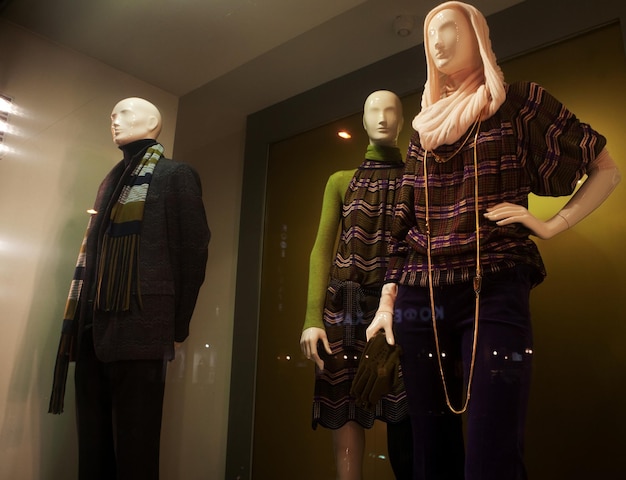
Are you standing at the crossroads of luxury, pondering whether your next coveted designer piece should hail from the understated elegance of Prada or the bold maximalism of Gucci? Choosing between these two titans of Italian fashion is a delightful dilemma, one that intertwines personal style, brand philosophy, and investment value. Both brands boast rich histories, iconic designs, and a global presence that commands respect.
This comprehensive guide will delve deep into the distinct worlds of Prada and Gucci, dissecting their legacies, aesthetics, product offerings, and more. By the end, you will have a clearer understanding of what each brand represents, empowering you to make a choice that perfectly aligns with your unique taste and aspirations. Let’s embark on this journey to discover which luxury powerhouse truly speaks to you.
The Legacy and Heritage: A Tale of Two Italian Houses
Understanding the roots of Prada and Gucci is crucial to appreciating their current identities. Their founding stories and subsequent evolutions have shaped their distinct brand personas.
Prada: A History of Refined Innovation
Prada began its journey in 1913, founded by Mario Prada and his brother Martino in Milan, Italy. Initially, it specialized in exquisite leather goods, trunks, and travel accessories for the Italian aristocracy.
The brand remained a respected, albeit traditional, luxury goods company for decades. Its true transformation began in 1978 when Miuccia Prada, Mario’s granddaughter, took the helm.
Miuccia Prada revolutionized the brand, introducing a minimalist yet intellectual aesthetic. She famously incorporated “Pocono” nylon into high fashion, a material previously used for military parachutes.
This bold move redefined luxury, proving that innovation and functionality could coexist with high-end design. Prada became synonymous with understated sophistication and an avant-garde spirit.
Gucci: A Saga of Glamour and Reinvention
Guccio Gucci established his eponymous brand in Florence, Italy, in 1921. Inspired by the luxurious luggage he observed while working at The Savoy Hotel in London, he aimed to create high-quality leather goods.
Gucci’s equestrian-inspired designs, such as the Horsebit loafer and the Bamboo bag, quickly gained popularity. The brand’s double-G monogram became a recognizable symbol of status and luxury.
Throughout its history, Gucci has experienced both soaring highs and challenging lows. It has been a brand that thrives on reinvention and bold creative direction.
The late 20th and early 21st centuries saw incredible resurgence under creative directors like Tom Ford and Alessandro Michele. Each brought a distinctive vision, solidifying Gucci’s reputation for glamour, maximalism, and cultural relevance.
Aesthetic and Style Philosophy: Understated vs. Overt
The core difference between Prada and Gucci often boils down to their design philosophies. One champions a quiet confidence, while the other embraces exuberant self-expression.
Prada’s Understated Elegance
Prada’s aesthetic is characterized by its intellectual approach to fashion. You’ll find clean lines, sophisticated silhouettes, and a focus on innovative materials and impeccable craftsmanship.
The brand often plays with contrasts: traditional fabrics meet modern cuts, and utilitarian elements are elevated to high fashion. Prada doesn’t shout for attention; it commands it through subtle details and refined design.
If you appreciate a sophisticated look that speaks volumes without excessive embellishment, Prada’s minimalist yet thought-provoking style will likely resonate with you. It’s often described as the epitome of “quiet luxury.”
Gucci’s Bold Maximalism
Gucci, especially in recent years, has become synonymous with bold, eclectic, and often flamboyant designs. The brand embraces rich colors, intricate patterns, and prominent logos.
Its aesthetic is a vibrant fusion of vintage inspirations, contemporary trends, and a playful disregard for convention. Gucci pieces are designed to make a statement and stand out from the crowd.
If you love to express your personality through fashion, enjoy mixing patterns and textures, and aren’t afraid of eye-catching details, Gucci’s maximalist approach offers a world of possibilities. It’s about celebrating individuality and embracing extravagance.
Product Categories and Iconic Items: What to Look For
Both brands offer a wide array of luxury goods, from handbags and shoes to ready-to-wear apparel and accessories. Each has developed signature items that have achieved iconic status.
Prada’s Signature Pieces
Prada is renowned for its innovative use of materials and timeless designs. Its handbags are particularly coveted for their functionality and understated elegance.
- Prada Galleria Bag: A classic, structured tote known for its elegant silhouette and Saffiano leather. It’s a versatile choice for both professional and casual settings.
- Prada Re-Edition Nylon Bags: These bags, often reinterpreted from archival styles, celebrate Prada’s groundbreaking use of nylon. They offer a blend of nostalgia, practicality, and contemporary appeal.
- Prada Cleo Bag: A sleek, minimalist shoulder bag that has become a contemporary favorite. Its curved lines and brushed leather make it instantly recognizable.
- Footwear: Prada offers sophisticated loafers, elegant pumps, and chunky combat boots, all reflecting its blend of classicism and modern edge.
- Ready-to-Wear: Expect impeccably tailored pieces, often with unexpected details or fabric choices. Prada’s apparel is known for its intellectual and slightly avant-garde appeal.
Gucci’s Must-Haves
Gucci’s product range is characterized by its distinct motifs, vibrant personality, and a blend of heritage and modernity. Its accessories are particularly popular for their statement appeal.
- Gucci Marmont Bags: Instantly recognizable by their chevron quilting and prominent double-G hardware. These bags come in various styles, from shoulder bags to totes.
- Gucci Dionysus Bag: Featuring a unique tiger head spur closure, this bag is a symbol of Gucci’s maximalist era. It often incorporates intricate embroidery or exotic leathers.
- Gucci Jackie 1961 and Horsebit 1955: These bags are direct reissues of iconic archival designs, celebrating Gucci’s rich heritage with a modern twist. They appeal to those who appreciate timeless elegance.
- Footwear: Gucci’s loafers, including the Princetown and Jordaan, are global bestsellers. Its Ace sneakers, with their signature web stripe and embroidered patches, are also highly sought after.
- Belts: The Gucci double-G buckle belt is a ubiquitous fashion staple, instantly elevating any outfit with a touch of luxury.
- Ready-to-Wear: Gucci’s apparel often features bold prints, vibrant colors, and luxurious fabrics. You’ll find everything from logo T-shirts to elaborate evening gowns.
Pricing and Investment Value: What’s Your Budget?
Both Prada and Gucci operate within the high-end luxury market, meaning their products come with a significant price tag. However, there can be subtle differences in their pricing strategies and resale value.
Understanding Luxury Pricing
The cost of luxury items from both brands reflects several factors. These include the use of premium materials, intricate craftsmanship, brand prestige, and the exclusivity of their designs.
You are investing not just in a product, but in the heritage, quality, and artistic vision of a renowned fashion house.
Prada’s Value Proposition
Prada items are often perceived as investments in sophisticated design and innovative materials. While still very expensive, some of its nylon pieces can be slightly less costly than comparable leather items from other luxury brands.
The resale value for Prada can be strong, especially for classic leather bags and popular re-edition nylon styles. Well-maintained, iconic Prada pieces tend to hold their value over time due to their enduring appeal.
Gucci’s Investment Potential
Gucci’s pricing is generally comparable to Prada’s, with some categories potentially reaching higher price points due to more ornate detailing or exotic materials. Its strong brand recognition often fuels consistent demand.
The resale market for Gucci is exceptionally robust, particularly for popular handbags like the Marmont and Dionysus, as well as signature accessories like the GG belt and Horsebit loafers. Many of these items maintain a high percentage of their original value, making them good potential investments.
Comparative Pricing Overview (Approximate Ranges)
To give you a general idea, here’s a rough comparison of price ranges for common product categories. Please note these are approximate and can vary significantly based on specific models, materials, and regional pricing.
| Category | Prada (Approx. Range) | Gucci (Approx. Range) |
|---|---|---|
| Small Leather Goods (Wallets, Cardholders) | $500 – $1,200 | $450 – $1,500 |
| Handbags (Mid-size, e.g., shoulder bags, totes) | $2,000 – $4,000 | $2,200 – $4,500 |
| Shoes (Loafers, Sneakers, Pumps) | $800 – $1,500 | $750 – $1,800 |
| Ready-to-Wear (Top/Dress) | $1,000 – $5,000+ | $1,200 – $6,000+ |
| Eyewear (Sunglasses) | $300 – $600 | $350 – $700 |
Target Audience and Brand Persona: Who Are You?
The clientele for Prada and Gucci often have distinct preferences and personalities. While there’s overlap, each brand cultivates a unique persona that attracts specific types of luxury consumers.
Who Chooses Prada?
Prada appeals to the intellectual, the discerning, and those who appreciate a more understated form of luxury. If you value quality, innovative design, and subtle sophistication over overt branding, Prada might be your ideal match.
Prada wearers often have a confident, refined style and prefer to let their garments speak for themselves. They are typically seen as trend-aware but not trend-driven, valuing timelessness with a modern edge.
The brand resonates with individuals who seek pieces that are both functional and thought-provoking. It often attracts a slightly more mature or established demographic, though its Re-Edition bags have found a strong following among younger generations.
Who Chooses Gucci?
Gucci attracts the maximalist, the trendsetter, and those who love to make a bold statement. If you enjoy expressing your personality through vibrant colors, eclectic designs, and recognizable logos, Gucci will likely captivate you.
Gucci wearers are often fashion-forward, confident in their individuality, and embrace a playful approach to luxury. They are not afraid to mix and match and often use fashion as a form of artistic expression.
The brand has a strong appeal across various age groups, particularly with younger generations who are drawn to its contemporary relevance and celebrity endorsements. Gucci is about celebrating life with exuberance and flair.
Sustainability and Ethical Practices: Conscious Luxury
In today’s world, the commitment of luxury brands to sustainability and ethical practices is increasingly important. Both Prada and Gucci have made significant strides in this area.
Prada’s Initiatives
Prada has demonstrated a strong commitment to sustainability, most notably with its “Re-Nylon” project. This initiative involves transforming regenerated nylon waste into new, high-quality products.
The brand has also committed to eliminating virgin nylon by the end of 2021, a significant step towards a more circular economy. Prada focuses on supply chain transparency and reducing its environmental footprint across its operations.
Gucci’s Commitments
Gucci is a leader in sustainable luxury, particularly through its “Gucci Equilibrium” platform. This initiative outlines the brand’s comprehensive commitment to environmental and social responsibility.
Gucci aims for carbon neutrality across its entire supply chain and invests in nature-based solutions to offset emissions. They also focus on animal welfare, sustainable sourcing, and promoting diversity and inclusion within their workforce.
Both brands are actively working to ensure that their luxurious offerings are produced with greater consideration for the planet and people.
Conclusion: Making Your Informed Choice
Ultimately, the choice between Prada and Gucci is deeply personal. There is no objectively “better” brand; there is only the brand that is better suited for you.
If you gravitate towards understated elegance, intellectual design, and innovative materials, Prada will be your ideal companion. You value subtle sophistication and pieces that stand the test of time with quiet confidence.
If your heart beats for bold statements, vibrant maximalism, and expressive designs, Gucci will be your perfect match. You love to celebrate your individuality and aren’t afraid to embrace glamour and a touch of extravagance.
Consider your existing wardrobe, your lifestyle, and the message you want to convey through your fashion choices. Both brands offer exceptional quality, rich heritage, and undeniable prestige.
We encourage you to visit their boutiques, try on different pieces, and experience the distinct atmospheres each brand cultivates. Let your personal style and intuition guide you to the luxury brand that truly resonates with your spirit.
Frequently Asked Questions (FAQ)
Is Prada more expensive than Gucci?
Generally, both brands operate within a similar high-end luxury price bracket. While there can be variations depending on the specific product, material, and collection, neither is consistently more expensive across the board. Gucci might sometimes have higher price points for highly embellished or exotic leather items.
Which brand has better resale value?
Both brands tend to hold their value well, especially for popular and iconic pieces. Gucci often has a slightly stronger and more consistent resale market for its most sought-after handbags (e.g., Marmont, Dionysus) and accessories due to their broad appeal and high demand. Prada’s classic leather bags and vintage nylon pieces also perform very well on the resale market.
Is Prada considered “quiet luxury”?
Yes, Prada is often considered a prime example of “quiet luxury.” Its aesthetic emphasizes sophisticated design, high-quality materials, and subtle branding over overt logos and flashy embellishments. It appeals to those who prefer an understated yet undeniably luxurious look.
Which brand is more popular with younger generations?
Gucci, particularly during Alessandro Michele’s tenure, cultivated a strong appeal among younger generations with its bold, eclectic, and social media-friendly aesthetic. Prada has also seen a resurgence in popularity among younger demographics, especially with its Re-Edition nylon bags and classic loafers, blending heritage with modern trends.
Are both brands good investments?
Investing in luxury items should primarily be for personal enjoyment and style. However, if maintained well, many iconic pieces from both Prada and Gucci can retain or even appreciate in value over time, especially limited editions or highly sought-after styles. They represent excellent craftsmanship and enduring design, making them valuable additions to any collection.
Leave a Reply