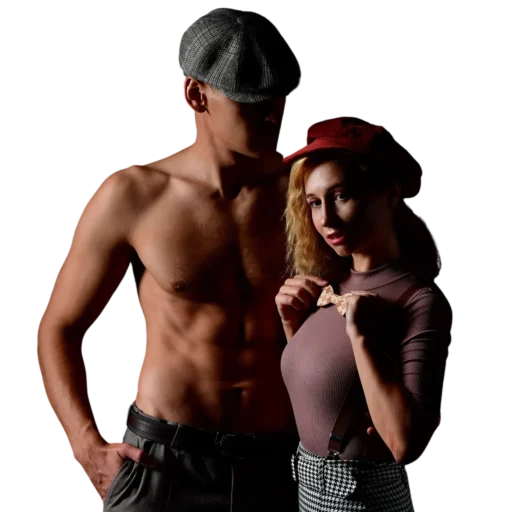
The fashion world often appears as a vibrant kaleidoscope of creativity, self-expression, and innovation. From viral runway moments to groundbreaking street style, it seems like a realm where boundaries are constantly pushed and individuality is celebrated.
However, if you look closely beyond the dazzling surface, you might uncover a less glamorous truth. Beneath the trending hashtags and captivating imagery, significant gender discrepancies persist, shaping everything from design studios to executive boardrooms.
This article invites you to delve deeper, moving past the fleeting spectacle of a viral video. We will unpack the nuanced ways gender imbalances manifest in modern fashion, examining how they impact creators, consumers, and the industry at large. Prepare to explore the often-overlooked realities that define this influential global sector.
The Illusion of Equality: Beyond the Surface
You might perceive modern fashion as a beacon of inclusivity, especially with diverse models gracing campaigns and social media feeds. This visible progress is certainly commendable and a step in the right direction for representation.
Yet, the visual narrative often tells only part of the story. While we see more diverse faces, the power structures behind the scenes can remain stubbornly traditional, revealing a stark contrast.
The industry’s public-facing image, heavily amplified by social media, can create an illusion. This illusion suggests that gender equality is largely achieved, masking deeper, systemic issues that still require significant attention and reform.
Visible Representation vs. Invisible Power
Consider the sheer volume of content featuring women in fashion, from models to influencers. They are the face of countless brands, embodying aspirational lifestyles and trends for global audiences.
However, when you shift your gaze to who holds the power – who makes the critical decisions about design, marketing, and business strategy – the picture changes dramatically. You will often find a disproportionate number of men in these influential roles.
This disparity highlights a crucial point: visibility does not automatically equate to power. While women are highly visible consumers and muses, their voices in leadership positions are often muted or entirely absent.
Behind the Seams: Gender in Creative Direction and Design
The role of a creative director or lead designer is arguably the most influential in any fashion house. These individuals dictate aesthetic direction, brand identity, and the very clothes you see on the runways and in stores.
Historically, and even today, these top creative positions are predominantly held by men, particularly in high fashion. This trend persists even when designing exclusively for women, raising important questions about perspective and authenticity.
You might wonder why, in an industry so heavily reliant on female consumers, the creative helm is not more balanced. This imbalance can lead to a disconnect between the target audience and the vision being executed.
The Disparity in Leadership Roles
To illustrate this point, let’s look at some representative data. While women comprise a significant portion of the fashion workforce, their presence in top-tier leadership roles tells a different story.
This table provides a hypothetical yet illustrative snapshot of gender representation across various roles within the fashion industry. It helps you visualize where the gaps in leadership truly lie.
| Role Category | Percentage of Women | Percentage of Men | Key Observation |
|---|---|---|---|
| Overall Workforce (Entry-Mid Level) | 75% | 25% | Women dominate the general workforce. |
| Designers (Mid-Senior Level) | 55% | 45% | Slight female majority, but narrowing. |
| Creative Directors (Major Brands) | 28% | 72% | Significant male dominance at the top creative tier. |
| CEO/Executive Board Members | 22% | 78% | Vast male majority in executive leadership. |
| Fashion School Graduates | 80% | 20% | Women often start with a strong educational base. |
As you can see, despite women forming the majority of fashion school graduates and the overall workforce, their representation shrinks dramatically at the highest levels of creative and executive power. This phenomenon is often referred to as the “leaky pipeline.”
Challenges for Female Designers
Female designers, even those with exceptional talent and vision, frequently face unique hurdles in ascending to the industry’s pinnacle. They might struggle to secure funding, gain mentorship, or break into established networks.
The fashion world, like many industries, can be influenced by traditional biases and old-boy networks. These informal structures can inadvertently create barriers that prevent deserving women from reaching their full potential.
Furthermore, the pressure to conform to commercial expectations can be particularly acute for women. They may find their creative freedom constrained by market demands that sometimes prioritize a male-centric vision of what women should wear.
The Business of Fashion: Executive Leadership and Entrepreneurship
Beyond the glamorous facade of design and runways lies the cold, hard reality of business. This is where strategic decisions are made, budgets are allocated, and the future direction of multi-billion-dollar empires is determined.
Here, the gender gap becomes even more pronounced. You will find significantly fewer women in CEO, CFO, or President roles within major fashion conglomerates and luxury brands.
This lack of diverse leadership at the top impacts everything from company culture to product development, potentially leading to decisions that overlook the needs or perspectives of a vast female consumer base.
The Gender Pay Gap in Fashion’s Upper Echelons
Even when women do achieve senior positions, they often face a persistent gender pay gap. This means that for comparable roles and responsibilities, women are frequently compensated less than their male counterparts.
This disparity is not unique to fashion but is particularly salient given the industry’s reliance on female talent and consumption. It undermines the notion of meritocracy and equitable opportunity.
If you are a woman striving for leadership in fashion, you may find yourself negotiating not just your worth, but also against systemic biases that undervalue female contributions.
Funding Disparities for Female-Led Startups
For women attempting to launch their own fashion brands or tech startups within the industry, securing venture capital funding can be an uphill battle. Studies consistently show that female founders receive a significantly smaller share of investment capital.
Investors, often predominantly male, may unconsciously favor pitches from male entrepreneurs or perceive female-led ventures as higher risk. This bias stifles innovation and limits the diversity of new brands entering the market.
This means that many brilliant, female-driven ideas may never see the light of day, simply due to unequal access to essential financial resources. It’s a missed opportunity for the entire industry.
The Consumer Experience: Unpacking the “Pink Tax”
The gender discrepancies in fashion don’t just affect those working within the industry; they directly impact you as a consumer. One of the most tangible examples is the “pink tax.”
The pink tax refers to the phenomenon where products marketed specifically to women cost more than similar products marketed to men. This applies to a wide range of goods, including clothing, personal care items, and even services.
You might have noticed this yourself: a woman’s razor often costs more than a man’s, despite being functionally identical. The same can be true for shirts, jeans, or even dry cleaning services.
Societal Pressures and Spending Habits
Beyond the direct price disparity, women often face greater societal pressure to conform to certain beauty standards and fashion trends. This pressure can translate into increased spending on clothing, accessories, and grooming products.
From a young age, you are often implicitly or explicitly encouraged to invest more in your appearance. This expectation, coupled with the pink tax, means women frequently bear a disproportionately higher financial burden for self-presentation.
This economic disparity can impact women’s disposable income and overall financial well-being, highlighting how gender discrepancies extend far beyond the runway.
The Role of Social Media and Influencer Culture
Social media has undeniably democratized fashion to some extent, allowing new voices and styles to emerge. It has also created a powerful platform for influencers, many of whom are women.
However, while influencer culture appears empowering, it can also inadvertently reinforce existing gender norms and commercial pressures. You might find yourself exposed to endless streams of highly curated, often unattainable, aesthetics.
The constant pursuit of perfection and the commercialization of personal style can place immense pressure on female influencers and their followers alike, perpetuating a cycle of consumption and self-scrutiny.
Commercializing Feminism and Authenticity
In recent years, many brands have embraced messages of female empowerment and body positivity. While positive in intent, this can sometimes feel like a superficial appropriation of feminist ideals for commercial gain.
You might see campaigns celebrating “real women” while simultaneously promoting unrealistic beauty standards or encouraging excessive consumption. This duality can make it difficult to discern genuine advocacy from mere marketing tactics.
The challenge lies in ensuring that these messages translate into meaningful change within the industry, rather than just serving as a temporary marketing trend.
Pathways to Parity: What Can Be Done?
Recognizing these gender discrepancies is the first crucial step towards creating a more equitable fashion industry. But what tangible actions can be taken to foster real change?
You, as a consumer, an aspiring professional, or an industry insider, have a role to play. Collective effort is required to dismantle long-standing biases and build a truly inclusive future.
Here are several key areas where significant progress can and should be made:
- Promoting Diversity in Leadership: Actively recruit and mentor women for executive and creative director roles. Implement transparent hiring processes that prioritize skills and experience over traditional networks.
- Mentorship and Sponsorship Programs: Establish formal programs that connect aspiring female professionals with experienced leaders. Sponsorship, where senior leaders actively advocate for their proteges, is particularly powerful.
- Equal Pay and Transparency: Conduct regular pay audits to identify and rectify gender-based pay gaps. Increased transparency around salaries can help hold companies accountable.
- Supporting Female Entrepreneurs: Investors and incubators should actively seek out and fund female-led fashion startups. Create dedicated funds and mentorship opportunities for women founders.
- Consumer Awareness and Ethical Purchasing: Educate yourself about the brands you support. Choose companies that demonstrate a genuine commitment to gender equality, fair labor practices, and ethical production.
- Challenging Stereotypes in Marketing: Brands should move beyond outdated gender stereotypes in their advertising and product design. Promote diverse representations of femininity and masculinity that are inclusive and empowering.
- Policy Changes and Corporate Responsibility: Companies must implement robust diversity, equity, and inclusion (DEI) policies. This includes flexible work arrangements, parental leave, and anti-harassment measures to support women in the workplace.
Conclusion
The fashion industry, for all its glamour and perceived progress, still grapples with significant gender discrepancies. These issues extend far beyond what you might see in a viral video, permeating the highest levels of creative and executive power, and even impacting your wallet as a consumer.
From the underrepresentation of women in leadership to the persistent pay gap and the subtle burden of the “pink tax,” the challenges are multifaceted. They demand more than just superficial fixes or performative gestures.
Genuine change requires a concerted effort from all stakeholders: industry leaders, designers, investors, and you, the conscious consumer. By critically examining these disparities and actively advocating for equality, we can collectively move beyond the illusion and build a fashion world that is truly equitable, diverse, and representative of everyone it serves.
Let’s work together to ensure that the future of fashion is not only stylish but also just.
Frequently Asked Questions (FAQ)
Q1: Is the fashion industry truly male-dominated, given how many women work in it?
A1: While women make up a significant majority of the overall fashion workforce, particularly in entry-to-mid-level roles, the industry’s highest echelons—such as creative director positions at major luxury brands and executive boardrooms—remain predominantly male. This creates a “leaky pipeline” where women struggle to reach top leadership roles despite their strong presence in the general workforce.
Q2: What is the “pink tax” and how does it relate to fashion?
A2: The “pink tax” refers to the phenomenon where products or services marketed towards women are priced higher than similar items for men. In fashion, this can manifest in clothing items (e.g., women’s jeans versus men’s jeans of similar quality and style), personal care products (e.g., razors, deodorants), and even services like dry cleaning. It contributes to women paying more for essential goods and services due to gender-based pricing.
Q3: How does social media influence gender discrepancies in fashion?
A3: Social media has a dual impact. On one hand, it has democratized fashion, allowing diverse voices and styles to gain visibility and challenge traditional norms. On the other hand, it can amplify commercial pressures and perpetuate unrealistic beauty standards, particularly for women.
The constant curation of images and the emphasis on aspirational lifestyles can reinforce existing gender expectations and consumption patterns, sometimes commercializing messages of female empowerment without enacting deeper change.
Q4: What concrete steps can be taken to improve gender equality in fashion?
A4: Improving gender equality requires multifaceted action. Key steps include promoting diversity in executive and creative leadership roles through transparent recruitment and mentorship programs, implementing equal pay audits and increased salary transparency, actively funding female-led fashion startups, challenging gender stereotypes in marketing, and establishing robust corporate DEI policies. Consumers can also contribute by supporting brands committed to ethical practices and gender parity.
Q5: Are these gender discrepancies unique to the fashion industry?
A5: No, many of the gender discrepancies observed in fashion, such as the pay gap, underrepresentation in leadership, and funding disparities for female entrepreneurs, are systemic issues found across numerous industries globally. However, they are particularly salient in fashion due to its heavy reliance on female consumers and its public image of diversity, making the internal gaps even more striking.
Leave a Reply