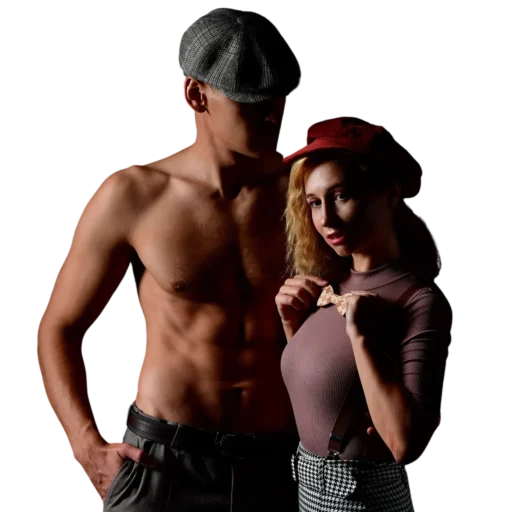
You’ve seen the dazzling spectacle, the breathtaking gowns, and the avant-garde ensembles gracing the red carpet of events like the Met Gala. It’s easy to view these moments as distant, glamorous displays, far removed from our daily lives. But what if we told you these high-fashion extravaganzas are not just about celebrity sparkle, but are powerful catalysts shaping the very clothes you wear every day?
This article will take you on a journey to decode fashion’s biggest moments. We will explore how the most extravagant designs trickle down from exclusive runways to your favorite stores, influencing everything from color palettes to silhouettes. Get ready to understand the captivating connection between haute couture and everyday chic, empowering you to navigate trends and refine your personal style.
The Grand Stage: Understanding High Fashion’s Influence
High fashion, often perceived as inaccessible art, plays a crucial role in the global style narrative. Events like the Met Gala serve as premier platforms where designers push boundaries, experiment with concepts, and showcase their most innovative work.
These aren’t just fashion shows; they are cultural statements. They set the tone for forthcoming seasons, acting as a barometer for societal shifts and artistic expression. You might not wear a feathered gown to the office, but the ideas behind that gown are already starting their journey towards your wardrobe.
The Met Gala: A Masterclass in Trend Setting
The Met Gala, in particular, is an annual fundraising event for the Metropolitan Museum of Art’s Costume Institute, but it’s much more than that. It’s a themed exhibition opening that transforms into a global fashion spectacle, inviting designers and celebrities to interpret a specific concept with unparalleled creativity.
Every year, the chosen theme, whether it’s “Heavenly Bodies: Fashion and the Catholic Imagination” or “Camp: Notes on Fashion,” challenges designers to craft original, often provocative, pieces. These creations capture imaginations and spark conversations worldwide, influencing future collections and consumer desires.
The Journey of a Trend: From Runway to Reality
Understanding how a trend develops is key to decoding fashion’s influence. It’s a fascinating, multi-stage process that begins in exclusive ateliers and culminates in accessible retail stores.
You might wonder how a dramatic runway statement eventually translates into a wearable item you can buy. Let’s trace this journey, highlighting the critical points of transformation.
Stage 1: The Visionaries and the Runway
It all starts with designers and their creative teams. They draw inspiration from art, history, culture, and current events to envision new collections. These visions are then presented on major fashion week runways in cities like Paris, Milan, New York, and London.
Here, you see the purest, most exaggerated forms of upcoming trends. These aren’t always meant to be worn exactly as shown, but rather to communicate a mood, a silhouette, or a key detail.
Stage 2: Editors, Stylists, and Influencers
Following the runways, fashion editors and stylists begin to interpret these trends. They curate looks for magazines, online publications, and celebrity appearances, making the initial selections of what is deemed “fashion-forward.”
In the digital age, social media influencers also play a massive role. They showcase how these high-fashion concepts can be adapted, often creating the first accessible interpretations that resonate with a broader audience.
Stage 3: Mass Market Adaptation and Retail
This is where the magic happens for your everyday wardrobe. Buyers for major retail chains and fast-fashion brands observe these emerging trends closely. They identify popular colors, fabrics, patterns, and silhouettes that have gained traction.
These elements are then reinterpreted and manufactured at a larger scale, often using more affordable materials and simplified designs. The result is clothing that captures the essence of high fashion but is practical and accessible for you.
Decoding Key Elements: What to Look For
When you see a stunning Met Gala gown or a striking runway look, don’t just admire the whole outfit. Train your eye to identify the individual elements that are likely to filter down into everyday wear. This skill will make you a savvy trend-spotter.
You’ll discover that it’s often not the entire ensemble, but specific details that become universally adopted. Here’s what to focus on:
- Color Palettes: Notice the dominant colors and unexpected color combinations. These will often appear in seasonal collections.
- Silhouettes: Are shoulders exaggerated? Is the waist defined or relaxed? Are trousers wide-leg or tapered? These shapes define a fashion era.
- Fabrics and Textures: Think sequins, velvet, sheer fabrics, denim treatments, or unique knits. How are they being used?
- Embellishments and Details: Look for specific types of embroidery, ruffles, cut-outs, fringe, or hardware.
- Accessories: Bags, shoes, jewelry, and hats often carry the strongest trend signals that are easiest to incorporate.
Translating High Fashion Elements into Your Wardrobe
Let’s consider some recent high-fashion trends and how they’ve made their way into everyday style. This table provides concrete examples to guide your understanding.
| High Fashion Element (e.g., Met Gala/Runway) | Common Interpretation in Everyday Chic | How You Can Incorporate It |
|---|---|---|
| Exaggerated Shoulders/Power Dressing (e.g., structured blazers, dramatic sleeves) | Padded shoulder tops, tailored blazers, puff-sleeve blouses | Pair a strong-shouldered blazer with jeans for a sophisticated casual look. Opt for a puff-sleeve top with a simple skirt. |
| Sheer Fabrics/Lace Overlay (e.g., translucent gowns, intricate lace details) | Sheer blouses, lace trim camisoles, mesh tops layered over basics | Wear a sheer blouse over a camisole or bralette. Add a lace-trimmed slip dress under a sweater for a hint of elegance. |
| Bold Monochromatic Looks (e.g., head-to-toe vibrant color) | Co-ord sets, matching separates, single-color outfits | Choose a suit or matching top and bottom in a striking color like fuchsia or emerald green. Break it up with neutral accessories if desired. |
| Dramatic Volume/Gathering (e.g., voluminous skirts, oversized ruffles) | Tiered dresses, wide-leg trousers, statement skirts with gathers | Experiment with a tiered midi dress for an airy feel. Try wide-leg trousers with a fitted top to balance the silhouette. |
| Metallic Accents/Sequins (e.g., full metallic ensembles, heavily embellished pieces) | Metallic accessories (bags, shoes), sequin tops, subtle metallic threads in knitwear | Elevate a simple black dress with metallic heels or a clutch. Add a sequin camisole under a blazer for evening sparkle. |
As you can see, the core idea often remains, but its application becomes more subdued and versatile. This allows you to embrace trends without feeling like you’re wearing a costume.
Cultivating Your Personal Style with Trend Awareness
Understanding fashion’s biggest moments isn’t about blindly following every trend. It’s about developing an informed eye that allows you to integrate elements that truly resonate with you. Your personal style is a reflection of who you are, and trends can serve as exciting new tools in your expressive toolkit.
Here’s how you can leverage trend insights to enhance your unique fashion identity:
Identify Your Core Style
Before diving into trends, take time to understand what you genuinely love. What colors make you feel good? What silhouettes flatter your body?
What fabrics do you enjoy wearing? Your core style should be timeless and authentic to you.
You can create a mood board or look through your existing wardrobe to identify consistent themes. This foundation will help you filter trends effectively.
Be Selective with Trends
Not every trend is for everyone, and that’s perfectly fine. Instead of adopting a trend wholesale, pick and choose elements that align with your personal aesthetic and lifestyle. Maybe it’s a specific color, a new accessory shape, or a subtle detail.
For example, if oversized silhouettes are trending, you might opt for a slightly relaxed blazer rather than a full-on voluminous coat, if that suits you better.
Invest Smartly
When incorporating trends, consider where to invest your money. For fleeting trends, opt for more affordable pieces or accessories. For trends that feel like they have staying power or align perfectly with your core style, you might consider a higher-quality investment piece.
Remember, a well-chosen accessory can often provide a trendy update to an otherwise classic outfit, giving you more bang for your buck.
Experiment and Have Fun
Fashion should be an enjoyable form of self-expression. Don’t be afraid to try new things, mix and match, and step outside your comfort zone occasionally. The beauty of decoding fashion is that it empowers you to play with style confidently.
You’ll find that a little experimentation can lead to exciting new discoveries about your personal aesthetic. Try pairing an unexpected texture or a bold color accessory with your usual favorites.
The Digital Era’s Impact: Accelerating Trends and Democratizing Style
The fashion landscape has been dramatically reshaped by the digital age. Social media platforms, fashion blogs, and online retailers have not only accelerated the trend cycle but also democratized who influences style.
Today, you don’t just look to runways and magazines; street style stars and everyday influencers play an equally vital role in disseminating and shaping trends.
Social Media as a Trend Incubator
Platforms like Instagram, TikTok, and Pinterest are powerful trend incubators. A single viral post can propel an item or a styling technique into global consciousness almost overnight. This rapid dissemination means trends can emerge, peak, and evolve much faster than ever before.
You can now see countless interpretations of a high-fashion concept almost immediately, often adapted for various body types, budgets, and personal styles.
The Rise of Street Style and Influencer Culture
Once, fashion inspiration flowed primarily from designers to consumers. Now, street style photographers capture the innovative ways individuals interpret trends in real-time, often influencing designers themselves.
Influencers, with their relatable content and direct connection to their audiences, bridge the gap between aspirational high fashion and achievable everyday looks. They show you exactly how to wear that trending color or incorporate that new silhouette into your daily outfits.
Accessibility and Global Reach
The digital age has made fashion more accessible than ever before. You can instantly view collections from around the world, shop global brands with ease, and connect with a diverse community of style enthusiasts.
This global conversation enriches the fashion dialogue, bringing diverse perspectives and accelerating the adoption of trends across different cultures and demographics.
Conclusion: Your Empowered Fashion Journey
From the breathtaking artistry of the Met Gala to the practical choices you make each morning, fashion is a continuous, interconnected dialogue. We’ve explored how high fashion serves as a powerful creative engine, driving trends that eventually shape our everyday wardrobes.
You now possess the tools to look beyond the spectacle and decode the elements that truly matter. By understanding the journey of a trend and identifying what resonates with your personal style, you can navigate the fashion world with confidence and creativity. Embrace the inspiration, be selective, and most importantly, let your style be an authentic expression of you.
Fashion is an exciting journey, and you are now equipped to lead your own way.
Frequently Asked Questions (FAQ)
How often do fashion trends change?
Fashion trends can change quite rapidly, especially in the digital age. Major seasonal trends typically emerge twice a year (Spring/Summer and Fall/Winter), but micro-trends, often driven by social media, can appear and disappear within weeks or months. It’s best to focus on overarching themes rather than chasing every fleeting trend.
Is fast fashion always bad?
Fast fashion can have significant environmental and ethical concerns due to rapid production cycles, reliance on cheap labor, and high waste. However, it also makes trends accessible to a wider audience. If you engage with fast fashion, consider buying fewer items, choosing better quality pieces that last longer, and donating or recycling responsibly.
Mixing fast fashion with sustainable or timeless pieces is a common approach.
How can I find my personal style?
Finding your personal style is a journey of self-discovery. Start by exploring what you genuinely like and what makes you feel confident. Create a Pinterest board of outfits you admire, analyze your existing wardrobe for recurring themes, and pay attention to colors and silhouettes that flatter you.
Experiment with different looks, and don’t be afraid to evolve your style over time.
Where can I get inspiration for everyday outfits?
Inspiration is everywhere! Look to fashion blogs, Instagram influencers (especially those with similar body types or lifestyles), Pinterest, and even street style photography. Magazines (both print and digital) and fashion retail websites also offer curated looks.
Don’t forget to observe people in your daily life whose style you admire.
Do I need to spend a lot of money to be fashionable?
Absolutely not! Being fashionable is more about understanding style, fit, and how to put pieces together than it is about designer labels. You can create a chic and on-trend wardrobe by mixing high and low pieces, shopping sales, exploring thrift stores, and focusing on versatile basics.
A few well-chosen accessories can also elevate an entire outfit without a hefty price tag.
Leave a Reply