
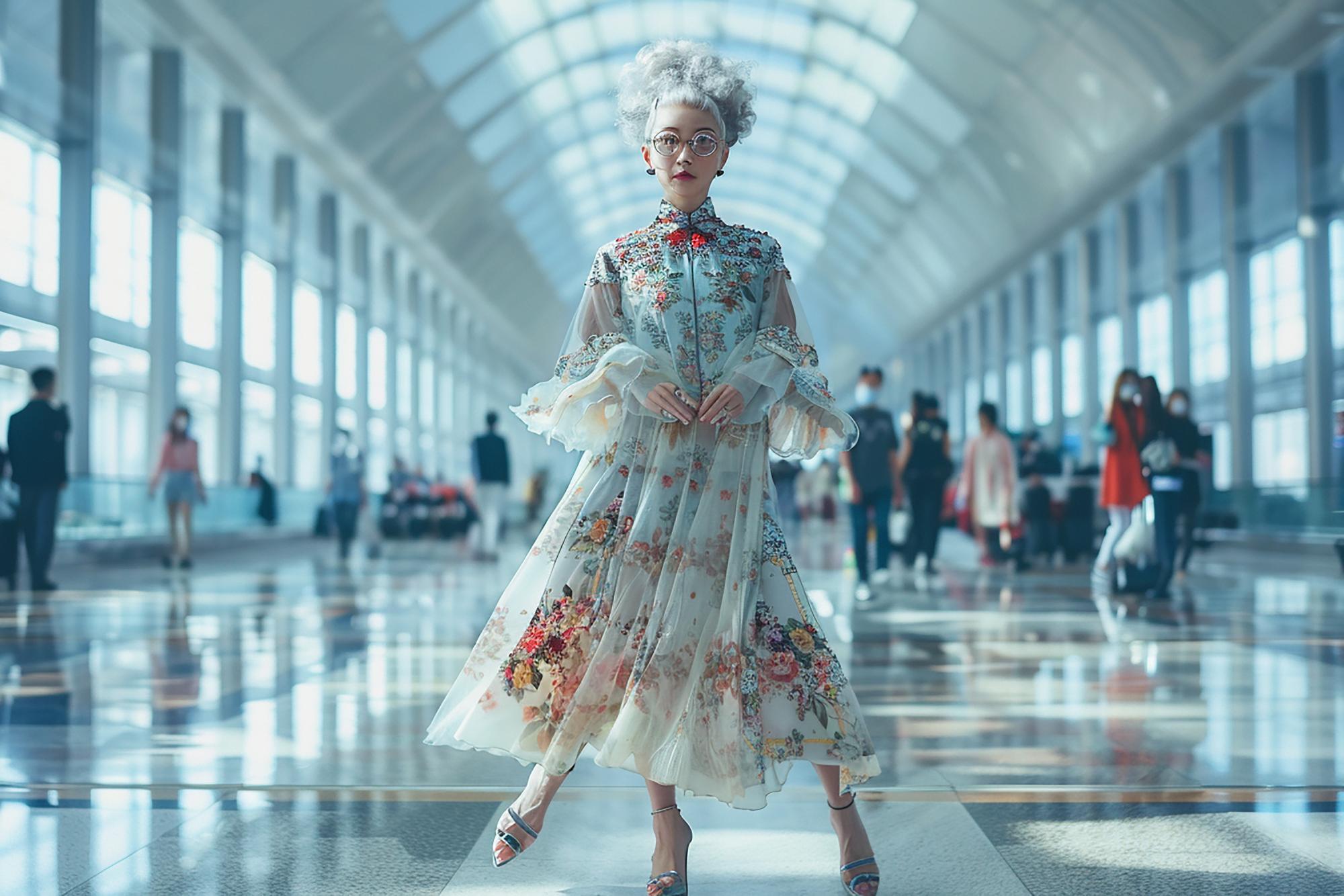
You are about to embark on a captivating journey through the annals of fashion history, exploring the origins and evolution of one of the world’s most iconic luxury brands: Dior. From its revolutionary “New Look” that reshaped post-war fashion to its current status as a global empire, Dior’s story is one of innovation, elegance, and enduring influence. Prepare to discover the genius of Christian Dior and the many creative minds who have upheld his legacy, shaping the very fabric of haute couture and luxury ready-to-wear.
This article will guide you through the pivotal moments and key figures that have defined Dior, revealing how a single vision blossomed into a multifaceted global fashion powerhouse. You will gain a deeper appreciation for the brand’s profound impact on style, culture, and the very concept of luxury.
The Visionary Beginnings: Christian Dior’s Early Life and Influences
Christian Dior’s journey into the world of fashion was not a direct path, but rather a culmination of diverse artistic interests and a deep appreciation for beauty. Born in Granville, France, in 1905, he grew up in a wealthy family, initially pursuing a career in politics at his parents’ insistence. However, his true passions lay elsewhere.
He soon abandoned his political studies to open an art gallery in Paris in 1928, showcasing works by artists like Salvador Dalí and Jean Cocteau. This period honed his aesthetic sensibilities and exposed him to the avant-garde movements of the time. The gallery, unfortunately, closed due to the economic downturn of the Great Depression.
Dior then turned his talents to fashion illustration, selling his sketches to various couture houses and newspapers. This experience provided him with invaluable insight into the mechanics of the fashion industry. He eventually found work as a designer for Robert Piguet and later Lucien Lelong, where he refined his craft and developed his distinctive vision for women’s attire.
His dream, however, was to establish his own house, a dream that would soon become a reality with the backing of textile magnate Marcel Boussac.
The Birth of a Revolution: The “New Look” of 1947
On February 12, 1947, Christian Dior unveiled his first collection, forever changing the landscape of women’s fashion. This groundbreaking collection, dubbed “The New Look” by Harper’s Bazaar editor Carmel Snow, was a radical departure from the austere, utilitarian styles of the war years.
The “New Look” celebrated overt femininity and luxury, a stark contrast to the fabric rationing and practical designs that had dominated for years. Its signature silhouette featured rounded shoulders, a cinched waist, and a voluminous, calf-length skirt. This hourglass shape, achieved through intricate tailoring and generous use of fabric, instantly captivated the world.
Dior’s designs, such as the iconic Bar Suit
, represented a return to glamour and optimism. Women embraced the elegance and escapism offered by these luxurious garments, despite initial criticism from some who viewed the extensive fabric use as extravagant. The “New Look” quickly became a global phenomenon, establishing Dior as a household name and a beacon of Parisian haute couture.
A Legacy of Innovation: Creative Directors After Christian Dior
Christian Dior’s untimely death in 1957 left a profound void, but his house was built on a strong foundation of creativity and vision. A succession of brilliant designers has since taken the helm, each leaving their indelible mark while honoring the founder’s spirit. You can trace the brand’s evolution through the distinct eras of its creative leadership.
Here’s a look at the influential designers who have shaped Dior’s artistic direction:
| Creative Director | Tenure | Defining Contributions / Era |
|---|---|---|
| Christian Dior | 1946 – 1957 | Founder, “New Look,” emphasis on feminine silhouettes and luxury. |
| Yves Saint Laurent | 1957 – 1960 | Youngest couturier, “Trapeze Line,” introduced softer, more modern silhouettes. |
| Marc Bohan | 1960 – 1989 | Longest-serving, “Slim Look,” focused on elegant, wearable designs and international expansion. |
| Gianfranco Ferré | 1989 – 1996 | First non-French designer, architectural silhouettes, opulent romanticism. |
| John Galliano | 1996 – 2011 | Theatricality, historical references, spectacular haute couture shows. |
| Raf Simons | 2012 – 2015 | Minimalist aesthetic, modern interpretation of Dior codes, focus on purity and architecture. |
| Maria Grazia Chiuri | 2016 – Present | First female creative director, feminist messaging, strong ready-to-wear, commercial success. |
Yves Saint Laurent: The Young Prodigy
At just 21 years old, Yves Saint Laurent, Dior’s former assistant, was appointed creative director. His debut “Trapeze Line” in 1958 was an instant success, offering a softer, more youthful silhouette than the rigid “New Look.” He modernized Dior while respecting its heritage.
Saint Laurent’s tenure was brief but impactful, showcasing his immense talent before he left to establish his own eponymous label.
Marc Bohan: The Era of Refined Wearability
Marc Bohan took over in 1960 and presided over Dior for nearly three decades, becoming the longest-serving creative director. His “Slim Look” brought a more understated elegance and wearability to Dior’s collections. He successfully navigated the brand through changing fashion trends, focusing on sophistication and practicality.
Bohan was instrumental in expanding Dior’s international presence and diversifying its product lines, making the brand accessible to a wider luxury audience.
Gianfranco Ferré: The Architect of Grandeur
In 1989, Italian designer Gianfranco Ferré, known as “the architect of fashion,” became the first non-French creative director. His collections were characterized by dramatic proportions, architectural rigor, and opulent embellishments. Ferré brought a renewed sense of grandeur and romanticism to Dior.
He reinterpreted classic Dior codes, such as the Bar Jacket, with his distinctive, powerful aesthetic, earning him critical acclaim.
John Galliano: Theatrical Spectacle and High Drama
John Galliano’s appointment in 1996 marked a dramatic shift towards theatricality and extravagant spectacle. His shows were legendary for their elaborate sets, historical references, and fantastical creations. Galliano pushed the boundaries of haute couture, transforming fashion into performance art.
His collections were visually stunning, often drawing inspiration from diverse cultures and historical periods, bringing a flamboyant energy to the brand. Despite his controversial departure in 2011, his impact on Dior’s image was undeniable.
Raf Simons: Modern Minimalism and Purity
Following Galliano, Raf Simons brought a starkly different, minimalist aesthetic to Dior in 2012. Known for his clean lines and intellectual approach, Simons focused on the purity of form and the intrinsic beauty of couture craftsmanship. He stripped away the theatrics, emphasizing the architectural structure and modern relevance of Dior’s heritage.
His collections were celebrated for their sophisticated simplicity and thoughtful reinterpretation of Dior’s iconic silhouettes, appealing to a new generation of luxury consumers.
Maria Grazia Chiuri: Feminism, Empowerment, and the Modern Woman
In 2016, Maria Grazia Chiuri made history as Dior’s first female creative director. Her tenure has been defined by a strong feminist voice, integrating empowering messages and contemporary art into her collections. Chiuri has successfully blended haute couture artistry with commercial appeal, focusing on strong ready-to-wear offerings.
She has broadened Dior’s appeal to a younger, globally conscious audience, championing inclusivity and sustainability while respecting the brand’s rich history. Her runway shows often feature collaborations with female artists and powerful slogans, resonating with today’s cultural landscape.
Dior’s Global Expansion: Beyond Couture
While haute couture remains at the heart of Dior, the brand’s global empire extends far beyond bespoke garments. You can experience the essence of Dior through its diverse range of luxury products, each embodying the house’s commitment to excellence and elegance.
Fragrance: An Olfactory Signature
Christian Dior himself believed that perfume is an indispensable complement to a woman’s personality.
The launch of Miss Dior
in 1947, alongside the “New Look,” solidified this philosophy. Today, Dior Parfums is a monumental success, with iconic fragrances like J’adore
and Sauvage
captivating millions worldwide. These perfumes are not just scents; they are extensions of the Dior identity.
Accessories: Icons of Desire
Dior’s accessories, particularly its handbags, have achieved cult status. The Lady Dior
bag, originally named “Chouchou” and famously carried by Princess Diana, is a timeless symbol of elegance and craftsmanship. Each bag tells a story of meticulous artistry and enduring style.
Other coveted items include statement jewelry, scarves, and eyewear.
Menswear: Dior Men (formerly Dior Homme)
The menswear division, now known as Dior Men, has evolved significantly over the years. Under designers like Hedi Slimane and Kris Van Assche, it pioneered a sleek, rock-and-roll aesthetic. Kim Jones, the current artistic director, has infused it with a blend of streetwear, contemporary art, and sophisticated tailoring, making Dior Men a leader in modern luxury menswear.
Dior Beauty: Skincare and Makeup
Dior has also established a formidable presence in the beauty industry. Its skincare lines are celebrated for their scientific innovation and luxurious formulations, while Dior Makeup offers high-performance products that combine artistry with cutting-edge technology. You can find everything from iconic red lipsticks to advanced anti-aging serums, all bearing the Dior stamp of quality.
The Business of Luxury: Dior and LVMH
Dior’s journey from a single couture house to a global fashion empire was significantly shaped by its integration into the LVMH Moët Hennessy Louis Vuitton luxury conglomerate. LVMH, a powerhouse in the luxury sector, acquired Christian Dior Couture in 2017, unifying it with Parfums Christian Dior. This move consolidated the entire Dior brand under one ownership, streamlining its global strategy.
Under LVMH’s stewardship, Dior has seen unprecedented expansion in retail, marketing, and brand visibility. The conglomerate’s vast resources and expertise have enabled Dior to reinforce its position as a leader in haute couture, ready-to-wear, and luxury goods worldwide. This strategic alignment has ensured Dior’s continued growth and influence in the competitive global market.
Dior’s Enduring Legacy and Future
Christian Dior’s vision, born in the aftermath of war, continues to resonate deeply in the 21st century. The house he founded has consistently pushed boundaries, redefined elegance, and inspired generations of designers and fashion enthusiasts. Its legacy is one of unwavering commitment to craftsmanship, innovation, and the celebration of femininity.
As Dior looks to the future under Maria Grazia Chiuri, it embraces themes of empowerment, sustainability, and cultural dialogue. The brand remains a dynamic force, constantly evolving while staying true to its foundational principles of beauty and sophisticated design. You can expect Dior to continue leading the charge in luxury fashion, setting trends and defining what it means to be elegant and modern.
Conclusion
From Christian Dior’s revolutionary “New Look” to its current status as a global fashion and luxury empire, the story of Dior is a testament to the power of vision and enduring creativity. We have explored the pivotal moments, the iconic designs, and the brilliant minds that have shaped this extraordinary house. You have seen how Dior has consistently adapted, innovated, and inspired throughout its rich history.
Dior’s impact on fashion, culture, and luxury branding is immeasurable, leaving an indelible mark that continues to influence trends and aspirations worldwide. The brand stands as a beacon of elegance, craftsmanship, and audacious innovation, promising an exciting future while honoring its legendary past.
Frequently Asked Questions (FAQ)
1. Who founded Dior?
- Christian Dior founded the house of Dior in 1946. His first collection was presented in February 1947.
2. What is the “New Look”?
- The “New Look” was Christian Dior’s groundbreaking first collection in 1947. It featured rounded shoulders, a cinched waist, and a full, calf-length skirt, symbolizing a return to luxury and femininity after wartime austerity.
3. Who is the current creative director of Dior?
- As of 2016, Maria Grazia Chiuri is the current creative director for women’s haute couture, ready-to-wear, and accessory collections. Kim Jones is the artistic director for Dior Men.
4. What is the significance of the Lady Dior bag?
- The Lady Dior bag is one of the brand’s most iconic accessories, known for its cannage quilting and elegant top handles. It gained significant popularity after being carried by Princess Diana in the mid-1990s, who famously adored the bag.
5. Is Dior part of a larger luxury group?
- Yes, Christian Dior Couture is part of the LVMH Moët Hennessy Louis Vuitton luxury conglomerate. LVMH fully acquired Christian Dior Couture in 2017, unifying it with Parfums Christian Dior under one umbrella.
6. What types of products does Dior offer?
- Dior offers a vast range of luxury products including haute couture, ready-to-wear clothing for women and men, handbags, shoes, accessories, fine jewelry, watches, fragrances, skincare, and makeup.
7. What is Dior’s contribution to fashion?
- Dior has made immense contributions to fashion by consistently redefining elegance, introducing revolutionary silhouettes like the “New Look,” and influencing global style for decades. The brand is celebrated for its exquisite craftsmanship, innovative designs, and enduring vision of luxury.
Leave a Reply