
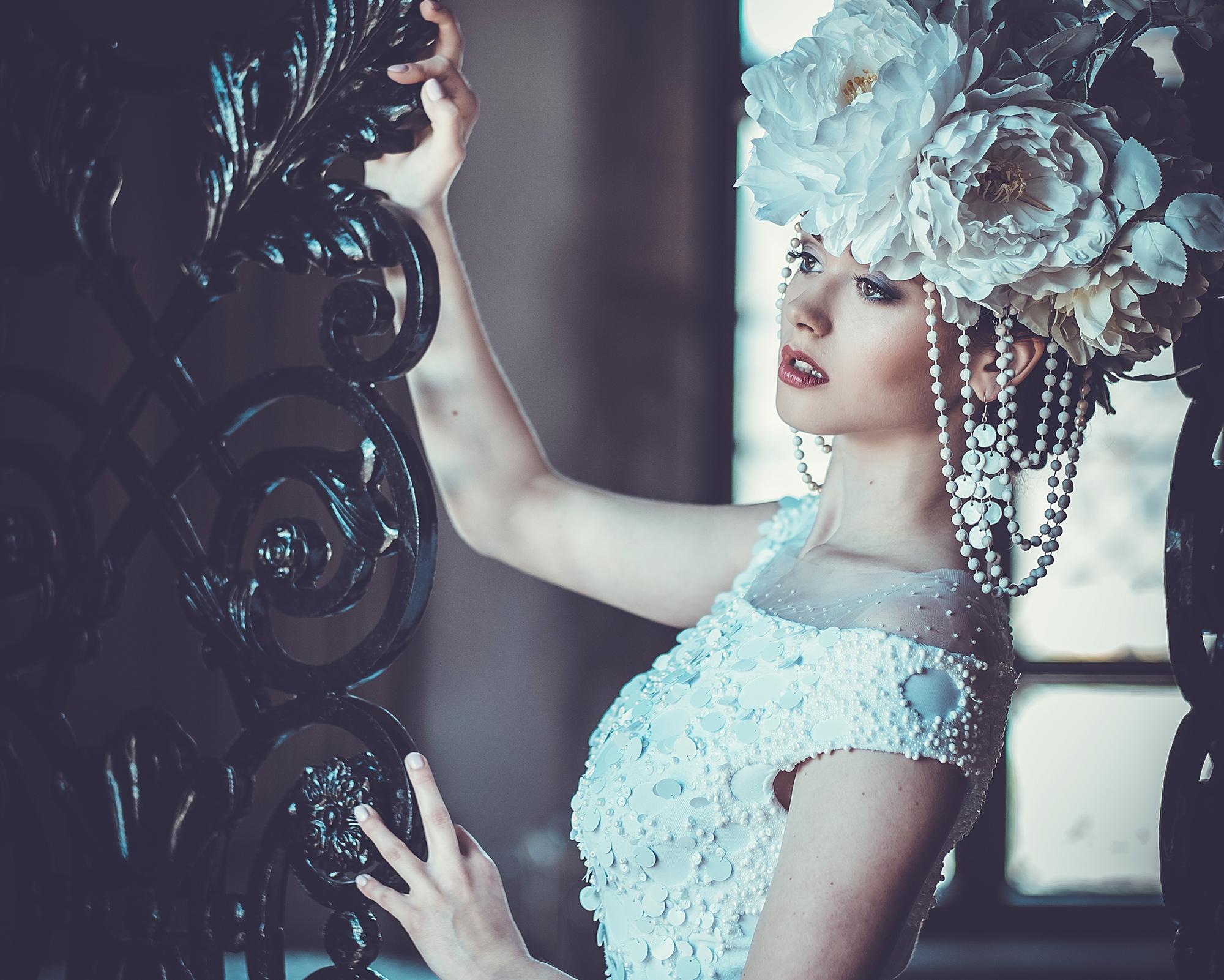
Step into the annals of fashion history, and you will inevitably encounter the indelible mark left by one extraordinary woman: Gabrielle Bonheur “Coco” Chanel. Her name is synonymous with timeless elegance, revolutionary design, and an unwavering spirit of independence.
More than just a designer, Chanel was a visionary who fundamentally reshaped how women dressed and perceived themselves. She challenged the restrictive norms of her era, ushering in an age of comfort, practicality, and sophisticated simplicity.
In this comprehensive article, we will explore the profound legacy of Coco Chanel, delving into her most iconic creations and the enduring philosophy that forever changed women’s fashion. Prepare to discover how she empowered women through style, one groundbreaking design at a time.
Early Life and the Genesis of a Vision
Born into poverty in Saumur, France, in 1883, Gabrielle Chanel’s early life was marked by hardship and resilience. Orphaned at a young age, she spent years in a convent orphanage, where she learned to sew.
This formative period, characterized by the austere uniforms and disciplined environment, subtly influenced her later aesthetic. It instilled in her a deep appreciation for simplicity, structure, and functional design.
Before becoming “Coco,” she briefly worked as a cabaret singer, a period that exposed her to the vibrant Parisian social scene. These diverse experiences fueled her ambition and shaped her unique perspective on fashion and femininity.
Breaking the Corset: The Liberation of Women’s Bodies
At the turn of the 20th century, women’s fashion was dominated by corsets, bustles, and elaborate, restrictive garments. These styles, while visually opulent, severely limited movement and often compromised health.
Coco Chanel saw this as an unacceptable constraint on women’s freedom and potential. She spearheaded a radical departure, advocating for clothing that allowed women to breathe, move, and live actively.
Her initial foray into design focused on comfortable, practical sportswear inspired by menswear. She famously adapted jersey fabric, previously used for men’s underwear, into elegant dresses and separates, revolutionizing everyday wear.
This bold move was not just about aesthetics; it was a powerful statement of liberation. Chanel freed women from physical bondage, paving the way for a more active and independent female identity.
The Little Black Dress: An Icon is Born
Perhaps no single garment is as universally recognized and celebrated as Coco Chanel’s Little Black Dress (LBD). Introduced in 1926, it was initially dubbed “Chanel’s Ford” by Vogue, recognizing its potential for widespread adoption and democratic appeal.
Before Chanel, black was predominantly reserved for mourning. She transformed it into a symbol of chic sophistication, versatility, and understated elegance, suitable for any occasion.
The LBD was designed with clean lines, a simple silhouette, and a focus on quality fabric. It offered women a practical yet elegant option that could be dressed up or down with accessories.
This single garment democratized high fashion, making sophisticated style accessible to a broader range of women. It remains a fundamental staple in every woman’s wardrobe, proving its timeless appeal.
The Chanel Suit: Power, Practicality, and Elegance
Another cornerstone of Chanel’s legacy is the iconic Chanel Suit, introduced in the 1950s after her return to fashion. This two-piece ensemble, typically consisting of a collarless jacket and a matching skirt, was a masterclass in functional elegance.
Crafted from luxurious tweed, the suit was designed for comfort and ease of movement. The jacket featured a quilted lining, often weighted with a chain at the hem, ensuring a perfect drape and fit.
Functionality was paramount; pockets were strategically placed, and the overall design was both practical for daily life and impeccably stylish. It offered women a sophisticated alternative to more rigid business attire.
The Chanel Suit became a powerful symbol of female independence and professional prowess. It allowed women to embody authority and elegance simultaneously, leaving an indelible mark on corporate and social fashion.
The Allure of Accessories: Pearls, Bags, and Perfume
Coco Chanel understood that true style extended beyond clothing. She meticulously curated a range of accessories that complemented her designs, elevating an outfit and adding a touch of personal flair.
Her approach to accessories was revolutionary, often blurring the lines between genuine luxury and accessible elegance. She believed that a woman should accessorize thoughtfully, not ostentatiously.
Chanel No. 5: Revolutionizing Fragrance
Launched in 1921, Chanel No. 5 was the world’s first abstract perfume, departing from the single-flower scents popular at the time. Chanel specifically requested a fragrance that smelled like a “woman, not a flower.”
Its complex blend of over 80 ingredients, housed in a minimalist, rectangular bottle, was groundbreaking. No. 5 quickly became, and remains, one of the best-selling perfumes globally, epitomizing modern luxury and sophistication.
The perfume’s enduring success is a testament to Chanel’s innovative spirit and her ability to capture the essence of modern femininity in a bottle. It is truly an olfactory masterpiece.
The 2.55 Quilted Handbag: Practicality Meets Luxury
In February 1955 (hence 2.55), Chanel introduced her now-legendary quilted leather handbag with a chain strap. This design was a direct response to women’s need for a practical bag that allowed them to keep their hands free.
Inspired by the straps on soldiers’ bags and the quilted jackets worn by jockeys, the 2.55 combined utility with unparalleled elegance. Its interior compartments were thoughtfully designed to hold essentials like lipstick and powder.
The 2.55 bag became an instant classic, an emblem of status and practicality. It revolutionized handbag design, proving that luxury could also be functional and effortless.
Costume Jewelry: Democratizing Luxury
Chanel famously mixed real and faux jewelry, popularizing the concept of costume jewelry. She believed that jewelry should be worn to enhance an outfit, not merely as a display of wealth.
Her signature layered pearl necklaces, often long and draped, exemplified this philosophy. She encouraged women to experiment with bold, often oversized, pieces that added drama and personality.
This approach made elegant accessorizing accessible to a wider audience, democratizing luxury and encouraging women to express their individual style without inhibition. Her influence here is still seen today.
Influence of Sportswear and Menswear
One of Chanel’s most profound impacts was her fearless appropriation of elements from menswear and sportswear for women’s fashion. She observed the freedom and practicality inherent in men’s clothing and saw its potential for women.
She popularized jersey fabric, previously used for men’s underwear, transforming it into comfortable yet chic dresses and separates. This choice was revolutionary, offering unprecedented comfort and stretch.
Chanel introduced elements like sailor pants, blazers, and simple cardigans, adapting them with a distinctly feminine touch. She removed the traditional frills and excessive embellishments, focusing on clean lines and functional design.
By integrating these styles, she not only made women’s clothing more comfortable but also imbued it with a sense of active independence. Her designs encouraged women to participate more fully in life, unburdened by restrictive attire.
The Philosophy of Style: Simplicity, Comfort, and Understated Elegance
At the heart of Coco Chanel’s enduring legacy lies her distinctive philosophy of style. She championed a look defined by simplicity, comfort, and an understated elegance that transcended fleeting trends.
Her mantra, “Fashion fades, only style remains the same,” perfectly encapsulates her approach. She believed in creating timeless pieces that allowed individual personality to shine through.
Chanel stripped away the unnecessary ornamentation and excessive frills that characterized much of early 20th-century fashion. She focused on impeccable tailoring, quality fabrics, and clean, functional silhouettes.
This emphasis on “less is more” empowered women to embrace practical luxury. It taught them that true sophistication comes from confidence and ease, not from elaborate displays of wealth or fleeting trends.
Coco Chanel’s Enduring Legacy in Modern Fashion
Decades after her passing, Coco Chanel’s influence continues to permeate every facet of modern fashion. Her designs remain eternally relevant, proving the power of her vision and principles.
You can see her legacy in the prevalence of the Little Black Dress, the enduring appeal of tweed suits, and the ubiquity of chain-strap bags. Her aesthetic has become a permanent fixture in the global style lexicon.
Contemporary designers frequently draw inspiration from her archives, reinterpreting her iconic pieces for new generations. Her commitment to comfort, practicality, and elegant simplicity still guides fashion innovation today.
Chanel didn’t just design clothes; she designed a lifestyle and an attitude. She taught women the power of self-expression through style, emphasizing confidence and authenticity above all else.
Key Innovations and Milestones of Coco Chanel
To truly grasp the breadth of Coco Chanel’s impact, let’s look at some of her most significant contributions and when they emerged. These innovations collectively reshaped women’s fashion and lifestyle.
| Year/Period | Innovation/Contribution | Impact on Women’s Fashion |
|---|---|---|
| Early 1910s | Introduction of Jersey Fabric for Dresses | Liberated women from corsets; offered unprecedented comfort and freedom of movement; popularized casual elegance. |
| Mid-1910s | Sportswear & Menswear Adaptations | Incorporated practical elements like sailor pants and blazers; promoted an active, independent female image. |
| 1921 | Launch of Chanel No. 5 Perfume | Revolutionized fragrance industry with the first abstract perfume; became a global symbol of modern luxury and sophistication. |
| 1926 | Introduction of the Little Black Dress (LBD) | Democratized chic; made black a symbol of elegance; provided a versatile, timeless wardrobe staple for all occasions. |
| 1930s onwards | Popularization of Costume Jewelry | Encouraged mixing real and faux; made elegant accessorizing accessible; emphasized style over overt wealth display. |
| 1950s | Reintroduction of the Chanel Suit | Empowered women in professional and social settings; combined comfort, practicality, and high elegance; became a symbol of female authority. |
| February 1955 | Creation of the 2.55 Quilted Handbag | Revolutionized handbag design with a practical, hands-free shoulder strap; became an icon of functional luxury and status. |
This timeline clearly illustrates how Chanel consistently challenged conventions and introduced designs that were not only aesthetically pleasing but also profoundly practical and empowering for women.
Conclusion
Coco Chanel was far more than a fashion designer; she was a cultural icon who ignited a revolution in women’s attire and self-perception. Her journey from humble beginnings to global influence is a testament to her vision, grit, and unparalleled creativity.
By championing comfort, simplicity, and understated elegance, she liberated women from physical constraints and empowered them to embrace their individuality. You can see her philosophy reflected in every modern woman’s wardrobe, from the perfect LBD to the versatile tweed jacket.
Her legacy is not just in the garments she created, but in the enduring spirit of independence and confidence she instilled in women worldwide. Coco Chanel truly changed women’s fashion forever, leaving an indelible mark that continues to inspire and evolve.
Frequently Asked Questions (FAQ)
Who was Coco Chanel?
Gabrielle Bonheur “Coco” Chanel was a revolutionary French fashion designer and businesswoman. She founded the iconic Chanel brand and is credited with liberating women from the restrictive clothing of the 19th century, introducing modern, comfortable, and elegant styles.
What was Coco Chanel’s greatest contribution to fashion?
While she made many significant contributions, her greatest impact was arguably the liberation of women’s bodies from corsets and cumbersome attire. She introduced practical, comfortable, and elegant clothing like the Little Black Dress and the Chanel Suit, fundamentally changing how women dressed and perceived themselves.
Why is the Little Black Dress so iconic?
The Little Black Dress (LBD), introduced by Chanel in 1926, became iconic for its versatility, simplicity, and democratic appeal. It transformed black from a color of mourning into a symbol of chic sophistication, offering women a timeless, elegant, and adaptable garment suitable for any occasion.
What is the significance of the Chanel Suit?
The Chanel Suit, reintroduced in the 19
Leave a Reply