
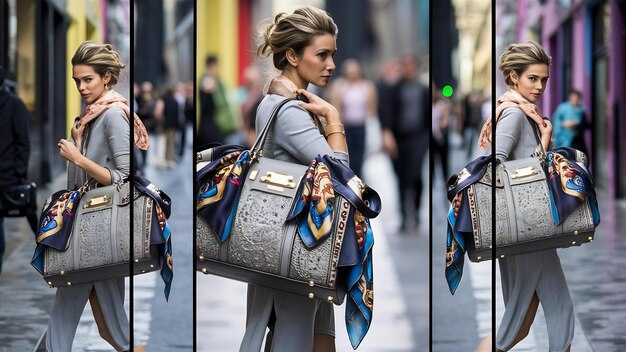
Have you ever wondered why a Chanel handbag carries such a significant price tag? As you browse the exquisite collections, the cost can often be a striking revelation. For many, a Chanel bag is more than just an accessory; it’s a symbol of luxury, prestige, and timeless elegance.
But what truly justifies this premium price point? Is it merely brand recognition, or are there deeper reasons rooted in heritage, craftsmanship, and economic factors? This article will thoroughly explore the multifaceted elements that contribute to the high cost of Chanel bags, offering you a comprehensive understanding of their value.
You’ll discover the intricate details that make these bags highly coveted and, for many, a worthwhile investment. Let’s delve into the world of Chanel and uncover the luxury explained.
The Legacy of Gabrielle “Coco” Chanel: A Foundation of Luxury
When you invest in a Chanel bag, you are not just buying a product; you are acquiring a piece of fashion history. The brand’s origins trace back to the visionary Gabrielle “Coco” Chanel, who revolutionized women’s fashion in the early 20th century.
Her designs broke away from restrictive corsetry, introducing comfort, practicality, and sophisticated simplicity. This rebellious and innovative spirit is woven into the very fabric of the brand, influencing every collection even today.
Iconic designs like the 2.55 flap bag, introduced in February 1955, exemplify this enduring legacy. These designs have transcended fleeting trends, becoming permanent fixtures in the lexicon of luxury fashion.
The timeless appeal ensures that a Chanel bag remains stylish for decades, making it a true heritage piece. You are connecting with a narrative of empowerment and enduring style that few other brands can offer.
Unparalleled Craftsmanship and Materials: The Heart of the Price Tag
One of the most significant contributors to the cost of Chanel bags is the meticulous craftsmanship and the use of the finest materials. Each bag is a testament to artisanal expertise, requiring hours of dedicated labor.
Artisanal Expertise and Hand-Stitched Perfection
Chanel bags are predominantly handcrafted in specialized workshops in France and Italy. Highly skilled artisans, often with years of training, meticulously assemble each component.
This process involves hundreds of precise steps, from cutting the leather to the final stitching. The iconic diamond quilting, for instance, is not merely decorative; it’s a complex technique that adds structure and durability.
You are paying for the unparalleled precision and human touch that machines simply cannot replicate. This dedication to perfection ensures that every seam, every curve, and every detail meets the brand’s exacting standards.
Exquisite Materials and Hardware
Chanel sources only the highest quality materials for its bags. Let’s explore some of the most common and coveted options:
- Lambskin Leather: Known for its incredibly soft, smooth, and luxurious feel. It drapes beautifully and offers a refined aesthetic, though it can be more delicate.
- Caviar Leather: This textured, grained calfskin is renowned for its durability and scratch resistance. It is a popular choice for those seeking a more robust everyday bag.
- Goatskin Leather: Offers a fine grain and a slightly stiffer structure than lambskin, providing a balance of elegance and resilience.
- Exotic Skins: Occasionally, Chanel produces bags from exotic leathers such as alligator, python, or stingray. These rare materials come with significantly higher costs due to their scarcity and the specialized craftsmanship required to work with them.
Beyond the leather, the hardware on Chanel bags is equally premium. The interlocking CC logo, the chain straps, and the clasps are often plated with 24-karat gold or ruthenium. These components are weighty and durable, engineered to last a lifetime.
You can truly feel the quality in the weight and finish of every metal detail. This commitment to superior materials ensures both the aesthetic appeal and the longevity of your investment.
Exclusivity and Brand Positioning: The Allure of Scarcity
Chanel strategically positions itself as an ultra-luxury brand, a status maintained through deliberate strategies of exclusivity and controlled supply. This carefully cultivated image significantly contributes to the high prices you see.
Limited Production and Controlled Distribution
Chanel does not mass-produce its handbags. Production runs are limited, ensuring that the supply rarely outweighs demand. This creates a sense of scarcity and urgency among discerning buyers.
You won’t find Chanel bags in department stores or multi-brand retailers. They are sold exclusively through Chanel’s own boutiques worldwide. This controlled distribution allows the brand to maintain strict control over its image and pricing.
This strategy makes acquiring a Chanel bag a more exclusive experience. It reinforces the idea that you are purchasing something truly special and not readily available to everyone.
Strategic Pricing and Price Increases
Chanel employs a strategic pricing model that reflects its luxury status. Prices are set high to begin with, signaling exclusivity and prestige.
Furthermore, Chanel is known for its regular and significant price increases, often multiple times a year. These increases are attributed to rising production costs, currency fluctuations, and a desire to maintain the brand’s luxury positioning.
For you, these consistent price hikes mean that a Chanel bag often appreciates in value over time. This makes it not just a purchase, but a potential investment.
Marketing, Brand Image, and Celebrity Endorsement
Chanel invests heavily in high-profile marketing campaigns, featuring renowned models, actresses, and celebrities. These campaigns reinforce the brand’s aspirational image and desirability.
Seeing your favorite style icons carrying a Chanel bag naturally enhances its appeal and perceived value. You are buying into a lifestyle that is synonymous with sophistication, glamour, and success.
The brand meticulously curates every aspect of its public image, from runway shows to boutique aesthetics. This consistent messaging reinforces its status as a leading luxury powerhouse.
Investment Value and Resale Market: More Than Just an Accessory
Many luxury items depreciate significantly after purchase, but Chanel bags often defy this trend. They are frequently considered strong investment pieces, retaining and even increasing their value over time.
Chanel as an Asset
Due to their timeless designs, limited availability, and consistent price increases, certain Chanel bags, particularly the Classic Flap and the 2.55, hold their value exceptionally well.
You might find that a well-maintained Chanel bag purchased years ago is now worth more than its original retail price. This makes the initial high cost more palatable for many buyers.
The demand for these iconic pieces remains robust, ensuring a healthy secondary market. This financial aspect adds another layer to the “why” behind their expense.
Demand in the Secondary Market
The robust demand for pre-owned Chanel bags on platforms like Vestiaire Collective, The RealReal, and Fashionphile further solidifies their investment potential. Collectors and enthusiasts are often willing to pay near-retail or even above-retail prices for specific models, colors, or vintage pieces.
This strong resale market means that if you ever decide to part with your Chanel bag, you can expect a significant return on your initial outlay. It’s a testament to the enduring desirability and quality of the brand’s products.
Here’s a look at how some classic Chanel bags have appreciated in value over the years:
| Chanel Classic Flap Bag Model | Approx. Price in 2010 (USD) | Approx. Price in 2023 (USD) | Percentage Increase |
|---|---|---|---|
| Small Classic Flap | $2,600 | $9,600 | ~269% |
| Medium Classic Flap | $3,000 | $10,800 | ~260% |
| Jumbo Classic Flap | $3,600 | $12,000 | ~233% |
| Maxi Classic Flap | $3,900 | $13,000 | ~233% |
*Note: Prices are approximate and subject to change based on market conditions, material, and region. Data is illustrative based on commonly reported price trends.
As you can see from the table, the appreciation for these bags is quite significant. This data reinforces the idea that a Chanel bag can be a tangible asset.
The “Experience” of Luxury: Beyond the Product
The price of a Chanel bag isn’t just about the physical item; it encompasses the entire luxury experience that comes with it. From the moment you consider a purchase to how you care for your bag, Chanel cultivates an atmosphere of unparalleled service and exclusivity.
The Boutique Experience
Walking into a Chanel boutique is an experience in itself. You are greeted by impeccably dressed staff in beautifully designed, opulent surroundings. The atmosphere is calm, sophisticated, and attentive.
Sales associates are highly knowledgeable about the brand’s history, materials, and specific products. They offer personalized service, guiding you through collections and helping you find the perfect piece.
This level of personalized attention and the luxurious environment are part of what you are paying for. It transforms a simple transaction into a memorable event.
Exceptional Customer Service and Aftercare
Chanel provides extensive after-sales support, including repair services for their bags. Should your bag require maintenance or repair, the brand offers specialized services to restore it to its original condition.
This commitment to aftercare ensures the longevity of your bag and protects your investment. You can rest assured that your valuable item will be cared for by experts.
The Unboxing and Emotional Connection
The unboxing experience of a Chanel bag is an event in itself. The iconic black and white packaging, the camellia flower, the ribbon – every detail is meticulously curated.
This ritual enhances the sense of luxury and makes the purchase feel even more special. You are not just buying a bag; you are acquiring a beautifully presented treasure.
For many, owning a Chanel bag represents a significant personal milestone or achievement. This emotional connection adds intangible value that contributes to its perceived worth.
Economic Factors and Global Market: The Broader Picture
Beyond brand-specific elements, broader economic forces also play a crucial role in determining the price of Chanel bags. These global factors influence manufacturing, distribution, and retail costs.
Supply Chain Costs and Labor
The cost of sourcing premium leathers, precious metals, and other high-quality components from around the world is substantial. Chanel maintains rigorous standards for its supply chain, which comes at a premium.
Furthermore, the highly skilled labor required for craftsmanship in Europe commands higher wages. These operational expenses are naturally factored into the final price you pay.
Currency Fluctuations and Inflation
Global currency exchange rates can impact the price of luxury goods, especially those manufactured in Europe and sold internationally. Fluctuations can lead to price adjustments in different markets.
General inflation also plays a role, increasing the cost of raw materials, labor, and transportation over time. Chanel adjusts its prices to account for these rising operational costs.
Taxes, Duties, and Regional Pricing
Import duties, sales taxes, and other regional levies vary significantly from country to country. These additional costs are incorporated into the retail price, leading to price discrepancies across different global markets.
You might notice that a Chanel bag costs more in one country than another, even after currency conversion. This is often due to these varying tax structures and regional economic considerations.
Conclusion
So, why are Chanel bags so expensive? As you’ve discovered, the answer is a complex tapestry woven from multiple threads. It begins with the unparalleled legacy of Gabrielle Chanel, whose vision continues to define timeless elegance.
The exorbitant cost is a direct reflection of the meticulous, handcrafted quality and the use of the world’s most exquisite materials. You are paying for hours of skilled labor and the finest leathers and hardware available.
Furthermore, Chanel’s strategic brand positioning, characterized by exclusivity, limited production, and consistent price increases, cultivates an aspirational image. This makes their bags highly desirable and often strong investment pieces.
Finally, the entire luxury experience – from the opulent boutiques and personalized service to the emotional connection you form with such an iconic item – contributes significantly to its perceived value. When you purchase a Chanel bag, you are not merely buying an accessory; you are investing in heritage, craftsmanship, exclusivity, and a piece of enduring luxury that transcends fleeting trends.
Frequently Asked Questions (FAQ)
Q1: Are Chanel bags a good investment?
A: Many iconic Chanel bags, particularly the Classic Flap and 2.55, have historically proven to be excellent investments. Their value tends to appreciate over time due to limited production, consistent price increases, and strong demand in the secondary market. However, like any investment, future returns are not guaranteed.
Q2: Why do Chanel bags have so many price increases?
A: Chanel frequently increases its prices due to several factors. These include rising costs of raw materials, increased labor expenses for skilled artisans, currency fluctuations, and a strategic effort to maintain its ultra-luxury positioning and exclusivity in the market. These increases also help to align prices globally.
Q3: What makes Chanel leather so special?
A: Chanel uses only the highest quality leathers, such as lambskin and caviar (grained calfskin). These leathers are meticulously sourced and expertly treated to ensure exceptional softness, durability, and a luxurious finish. The quality of the leather significantly contributes to the bag’s longevity and aesthetic appeal.
Q4: How can I tell if a Chanel bag is authentic?
A: Authenticating a Chanel bag involves examining several key features: the quality of the leather and stitching, the serial number sticker (dating back to 1986) and matching authenticity card, the hardware (weight, stampings, and finish), the lining, and overall craftsmanship. It’s highly recommended to purchase from official boutiques or reputable pre-owned luxury retailers that offer authentication services.
Q5: Is it worth buying a Chanel bag?
A: The “worth” of a Chanel bag is subjective and depends on your personal values and financial situation. If you appreciate exceptional craftsmanship, timeless design, brand heritage, and the potential for investment appreciation, then a Chanel bag can be a worthwhile purchase. It’s an item that offers both aesthetic pleasure and potential long-term value.
Leave a Reply