
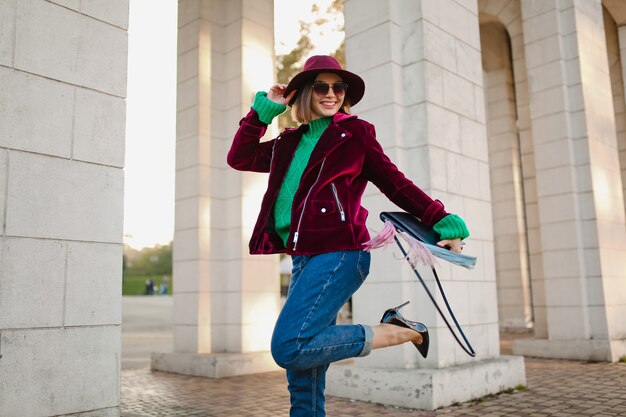
Welcome to the captivating world of Gucci, a brand synonymous with luxury, innovation, and an unwavering commitment to style. You’re about to embark on a fascinating journey through the annals of fashion history, exploring how this iconic Italian house transformed from a maker of fine leather goods into a global arbiter of trends.
From its equestrian-inspired origins to its current embrace of modern street style, Gucci has consistently redefined what it means to be fashionable. Prepare to discover the pivotal moments, visionary designers, and cultural shifts that have shaped Gucci’s remarkable evolution. We’ll trace its path through various eras, offering you a unique insight into its enduring legacy.
Gucci’s Genesis: The Equestrian Era (1921-1950s)
The story of Gucci begins in 1921, when Guccio Gucci opened his first shop in Florence, Italy. His vision was to create exquisite leather goods, drawing inspiration from the sophisticated luggage he observed during his time working in London hotels. You can imagine the dedication to craftsmanship from the very start.
Founding by Guccio Gucci
Guccio Gucci’s early focus was on equestrian-inspired leather products. These items catered to Italy’s wealthy upper classes, who appreciated quality and durability. He established a reputation for exceptional artistry and luxurious materials.
This commitment to high standards laid the foundation for everything that followed. You could say it set the tone for a brand that would always prioritize excellence.
The Birth of Icons
It wasn’t long before Gucci started creating pieces that would become legendary. The bamboo handle bag, introduced in 1947, was born out of necessity during wartime material shortages. Its innovative design quickly captured the imagination of the fashion world.
Another enduring symbol, the horsebit loafer, made its debut in 1953. This design directly referenced Gucci’s equestrian heritage, blending practicality with undeniable elegance. These early creations appealed to both European aristocracy and burgeoning Hollywood stars, solidifying Gucci’s status as a luxury brand.
The Golden Age: Glamour and Global Expansion (1960s-1980s)
The mid-20th century saw Gucci rise to unprecedented levels of international fame. The brand became a favorite among the global elite, cementing its place in the luxury landscape. You likely recognize many of the iconic figures who championed Gucci during this time.
Jackie Kennedy and Grace Kelly Influence
Celebrity endorsement played a crucial role in Gucci’s expansion. Icons like Jackie Kennedy Onassis and Princess Grace Kelly of Monaco were frequently seen carrying Gucci bags and wearing its accessories. The “Jackie” bag, in particular, became synonymous with effortless sophistication.
The famous Flora scarf, designed specifically for Grace Kelly in 1966, further illustrated the brand’s ability to blend art and fashion. These associations propelled Gucci onto the world stage, making its products highly desirable.
Family Drama and Shifting Tides
Despite its glamorous facade, the Gucci family business was plagued by internal disputes and power struggles. These conflicts often led to a lack of clear creative direction and, at times, brand dilution. You might recall stories of the intense rivalries within the family.
By the 1980s, the brand’s image had suffered, with an oversaturation of its double-G logo on various products. Gucci struggled to maintain its exclusivity and relevance in a rapidly changing fashion landscape. It was a challenging period for the once-unassailable luxury house.
Reinvention and Revival: The Tom Ford Era (1990s)
The 1990s marked a pivotal turning point for Gucci, a period of dramatic reinvention. The brand was on the brink of collapse when a new leadership team arrived, ready to shake things up. You might remember the excitement and controversy this era brought.
A New Vision
In 1990, American designer Tom Ford joined Gucci, eventually becoming its creative director in 1994. Alongside CEO Domenico De Sole, Ford spearheaded a radical transformation. He stripped away the outdated aesthetic, replacing it with a bold, sensual, and undeniably modern vision.
Ford’s designs were provocative and confident, perfectly capturing the minimalist yet glamorous spirit of the decade. He redefined luxury for a new generation, making Gucci relevant and desirable once more. You could feel the brand’s energy shift dramatically.
Iconic Collections and Marketing
Tom Ford’s collections were characterized by sleek silhouettes, luxurious fabrics, and a distinct air of empowered sexuality. His runway shows became highly anticipated events, generating immense buzz and critical acclaim. He brought an undeniable allure back to the brand.
Marketing campaigns, often featuring controversial imagery, solidified Gucci’s new identity as a cutting-edge luxury house. This era saw a dramatic resurgence in demand, proving that a strong creative vision could revitalize even a struggling giant. You couldn’t ignore Gucci during the Ford years.
Transition and Consolidation: Frida Giannini’s Influence (2000s-2010s)
Following Tom Ford’s departure in 2004, Gucci entered a new phase of evolution under the creative direction of Frida Giannini. Her tenure focused on consolidating the brand’s renewed strength and modernizing its heritage. You might have noticed a shift towards a more commercial, yet still luxurious, appeal.
Modernizing Heritage
Frida Giannini, who had previously designed accessories for Gucci, brought a more commercially focused yet still sophisticated approach. She balanced the brand’s rich archives with contemporary trends, creating collections that were both wearable and desirable. You saw many reinterpretations of classic Gucci motifs.
Her work often re-emphasized iconic elements like the Flora print and the horsebit, giving them a fresh, modern twist. This period ensured Gucci maintained its strong market position and appeal to a broad luxury audience. It was about refining the brand’s identity.
Sustainable Luxury Initiatives
Under Giannini’s leadership, Gucci also began to take early steps towards greater corporate social responsibility. The brand explored initiatives related to sustainable sourcing and ethical production. You might have seen their efforts to align luxury with a conscience.
These efforts reflected growing consumer awareness and the industry’s gradual shift towards more responsible practices. It was an important move for a global brand of Gucci’s stature. This period laid groundwork for future ethical commitments.
The Alessandro Michele Revolution: Eclectic Maximalism (2015-2022)
In 2015, Alessandro Michele was appointed creative director, ushering in perhaps the most radical transformation in Gucci’s history. His arrival marked an unprecedented shift towards an entirely new aesthetic. You either loved it or were utterly bewildered by it.
A Paradigm Shift
Michele’s vision was one of eclectic maximalism, characterized by bold colors, intricate patterns, and a playful disregard for traditional gender norms. He embraced vintage aesthetics, intellectual references, and a touch of kitsch. You saw a complete departure from previous minimalist trends.
His collections were often gender-fluid, featuring ornate details, animal motifs, and a distinct narrative quality. This approach challenged conventional notions of luxury and beauty, resonating deeply with a new generation of fashion enthusiasts. It was a truly revolutionary moment for the brand.
Pop Culture and Digital Dominance
Under Michele, Gucci became a cultural phenomenon, deeply intertwined with pop culture and digital media. Collaborations with artists, musicians, and filmmakers were common, creating a vibrant, multi-faceted brand identity. You couldn’t scroll through social media without seeing Gucci.
The brand’s strong presence on social media, immersive experiences like the Gucci Garden, and its ability to connect with Gen Z and Millennials were unparalleled. Michele’s era made Gucci not just a fashion brand, but a lifestyle and a conversation starter. It truly captured the zeitgeist.
Gucci in the Modern Era: Street Style and Beyond (2023-Present)
The fashion world is constantly evolving, and Gucci is no exception. With the departure of Alessandro Michele in 2022, the brand entered yet another new chapter. You might be wondering what’s next for this iconic house.
Sabato De Sarno’s Quiet Luxury
Sabato De Sarno was appointed creative director in January 2023, signaling a new direction for Gucci. His debut collection, “Ancora,” presented a noticeable shift away from Michele’s maximalism. You observed a return to refined tailoring and a more understated aesthetic.
De Sarno’s vision appears to align with the burgeoning “quiet luxury” trend, focusing on timeless elegance, impeccable craftsmanship, and subtle branding. This move suggests a desire to re-emphasize core luxury values. It’s a significant pivot for the brand.
The Influence of Street Style
Gucci’s journey from classic elegance to Michele’s maximalism, and now to De Sarno’s refined approach, perfectly illustrates the broader evolution of fashion. The lines between high fashion and everyday wear have blurred significantly. You see this reflected in how people dress globally.
While De Sarno’s initial collections lean away from overt street style, Gucci’s previous embrace of it has left an indelible mark. The brand continues to influence and be influenced by global street style, demonstrating its adaptability and enduring relevance. It remains a powerful force in shaping how you perceive and wear luxury.
Key Milestones in Gucci’s Fashion Evolution
To help you visualize Gucci’s incredible journey, here’s a table summarizing its key evolutionary periods.
| Year/Period | Era/Creative Director | Key Characteristics | Iconic Items/Impact |
|---|---|---|---|
| 1921-1950s | Guccio Gucci (Founding) | Equestrian roots, fine leather goods, craftsmanship, European aristocracy appeal. | Bamboo Handle Bag, Horsebit Loafer, high-quality luggage. |
| 1960s-1980s | Aldo, Rodolfo, Paolo Gucci (Family Era) | Global expansion, celebrity endorsement, initial glamour, later brand dilution, family conflicts. | “Jackie” Bag, Flora Scarf, Double-G logo proliferation. |
| 1990s | Tom Ford | Radical reinvention, sensual, provocative, sleek, high-glamour aesthetic, brand revitalization. | Silk shirts, velvet suits, metallic accessories, iconic advertising campaigns. |
| 2000s-2010s | Frida Giannini | Modernizing heritage, commercially successful, balancing classic codes with contemporary trends, early sustainability efforts. | Reinterpretation of Flora print, emphasis on accessories, New Bamboo Bag. |
| 2015-2022 | Alessandro Michele | Eclectic maximalism, gender-fluid, vintage-inspired, intellectual, pop culture integration, digital dominance. | Fur-lined loafers, Dionysus bag, elaborate runway looks, “Gucci Garden.” |
| 2023-Present | Sabato De Sarno | Shift towards “quiet luxury,” refined tailoring, understated elegance, focus on timelessness, return to core luxury. | “Ancora” collection, refined ready-to-wear, subtle branding, new era of sophistication. |
Conclusion
Gucci’s journey through fashion history is a testament to its remarkable adaptability and enduring appeal. From its humble beginnings crafting equestrian gear to its current status as a global trendsetter, the brand has consistently reinvented itself. You’ve seen how it navigated family drama, embraced radical changes, and always emerged stronger.
The evolution of Gucci from classic elegance to modern street style, and now towards a more refined luxury, reflects the dynamic nature of fashion itself. It teaches us that true luxury is not static; it evolves, adapts, and continues to inspire. As you look at the brand today, you’re witnessing the culmination of a century of innovation and vision, promising an exciting future ahead.
Frequently Asked Questions (FAQ)
When was Gucci founded?
Gucci was founded in 1921 by Guccio Gucci in Florence, Italy. He initially focused on high-quality leather goods.
Who are the most influential creative directors for Gucci?
Several creative directors have profoundly shaped Gucci. Tom Ford is credited with its dramatic revival in the 1990s, while Alessandro Michele revolutionized the brand with his maximalist aesthetic from 2015 to 2022. Sabato De Sarno is now leading a new era.
What are Gucci’s most iconic products?
Gucci boasts numerous iconic products. Key examples include the Bamboo Handle Bag, the Horsebit Loafer, the “Jackie” bag, the Flora scarf, and more recently, the Dionysus bag and various items from Alessandro Michele’s collections.
How has Gucci adapted to modern trends like street style?
Gucci has adapted significantly by embracing contemporary culture and evolving aesthetics. Under Alessandro Michele, the brand heavily integrated street style elements, pop culture references, and digital engagement. While the current direction under Sabato De Sarno is shifting, Gucci’s history shows a clear willingness to adapt to and influence modern trends.
Is Gucci still considered a luxury brand?
Absolutely. Gucci remains one of the world’s leading luxury fashion brands. It continues to command high prices, maintain exclusivity, and produce high-quality, aspirational products, even as its aesthetic evolves.
Its legacy and global recognition firmly cement its luxury status.
Leave a Reply