
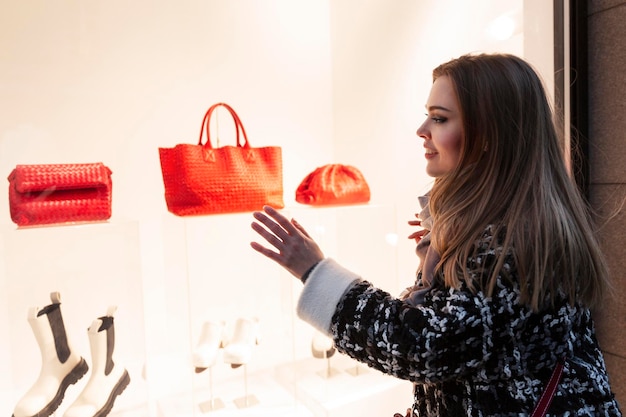
The allure of a Chanel bag is undeniable. It’s more than just a fashion accessory; it’s a statement of style, heritage, and luxury. For many, owning a Chanel bag represents a dream, but for others, it sparks a practical question: Are Chanel bags a good investment in 2026?
You might be considering a significant purchase, hoping your exquisite bag will not only elevate your wardrobe but also appreciate in value over time. In a world of fluctuating markets and evolving consumer trends, understanding the potential for return on such a luxury item is crucial.
This comprehensive guide will delve into the factors that influence Chanel’s value, analyze historical performance, and project future trends to help you make an informed decision. We will explore the brand’s enduring appeal, market dynamics, and what you should consider if you’re looking to invest in a Chanel bag by 2026.
The Enduring Allure and Heritage of Chanel
Chanel is synonymous with timeless elegance and revolutionary design. Founded by Gabrielle “Coco” Chanel, the brand has consistently set benchmarks in haute couture and luxury accessories for over a century.
This rich history and iconic status contribute significantly to the brand’s perceived and actual value. When you acquire a Chanel bag, you are not just buying an item; you are buying a piece of fashion history and a symbol of unparalleled craftsmanship.
The brand’s commitment to exclusivity and quality ensures that its products remain highly coveted. This controlled scarcity, combined with exceptional artistry, forms the bedrock of Chanel’s enduring market strength.
Craftsmanship and Exclusivity
Each Chanel bag is a testament to meticulous craftsmanship. Artisans spend countless hours hand-assembling these pieces, using only the finest materials.
The attention to detail, from the iconic quilted leather to the signature interlocking CC clasp, ensures a product of superior quality. This dedication to excellence contributes to the bag’s longevity and desirability.
Chanel also maintains a strict control over its distribution channels and limits production of certain items. This strategy fosters a sense of exclusivity, making their bags even more sought after in the luxury market.
Factors Influencing Chanel Bag Value
Several critical factors dictate whether a Chanel bag retains or appreciates in value. Understanding these elements will empower you to make a more strategic purchase.
Brand Scarcity and Price Increases
Chanel is renowned for its consistent and significant price increases. The brand regularly adjusts its prices upwards, often multiple times a year, across all its markets.
This strategy serves multiple purposes: it maintains exclusivity, offsets production costs, and positions Chanel as an ultra-luxury brand. For existing owners, these price hikes can translate into appreciation on the secondary market.
While the primary market price increases, the secondary market often follows suit, especially for highly desirable models. This creates a compelling narrative for potential investors.
Material, Condition, and Craftsmanship
The materials used in a Chanel bag directly impact its durability and appeal. Lambskin, caviar leather, and exotic skins like python or alligator are highly valued.
Caviar leather, known for its pebbled texture and resilience, often holds up better over time, making it a favorite for those considering long-term value. Lambskin is softer and more luxurious but also more prone to wear.
The overall condition of your bag is paramount for resale value. A well-maintained bag, free from significant scuffs, scratches, or hardware damage, will fetch a much higher price. Proper care and storage are essential investment protection measures.
Iconic Styles vs. Seasonal Pieces
Not all Chanel bags are created equal when it comes to investment potential. Certain iconic styles consistently outperform others in terms of value retention and appreciation.
The Classic Flap Bag, the 2.55 Reissue, and the Boy Bag are perennial favorites. Their timeless designs and strong brand recognition ensure high demand year after year.
Seasonal or limited-edition bags can sometimes appreciate significantly, especially if they are particularly unique or rare. However, they carry a higher risk, as their long-term desirability can be less predictable than the classics.
Analyzing Chanel’s Investment Performance: Past & Present
To gauge future potential, it’s helpful to look at how Chanel bags have performed historically. The trend has largely been one of consistent appreciation, often outpacing inflation and even some traditional investments.
The brand’s strategic price increases have played a significant role in this. A Chanel bag purchased a decade ago would likely be worth substantially more today, even accounting for wear and tear.
Let’s examine the historical price progression of a flagship model, the Medium Classic Flap Bag, to illustrate this point.
Historical Price Appreciation of the Chanel Medium Classic Flap Bag (Illustrative Data)
This table demonstrates the significant price increases applied to one of Chanel’s most iconic bags. You can observe the consistent upward trend, making it a compelling case for investment.
| Year | Approximate Retail Price (USD) | Percentage Increase (from previous entry) |
|---|---|---|
| 2004 | $1,650 | N/A |
| 2009 | $2,600 | +57.6% |
| 2014 | $4,900 | +88.5% |
| 2019 | $5,800 | +18.4% |
| 2021 | $7,800 | +34.5% |
| 2023 | $10,200 | +30.8% |
| 2024 | $10,800 | +5.9% |
As you can see, the price of the Medium Classic Flap has more than quadrupled over two decades. This kind of appreciation is rare for consumer goods and highlights the unique position of Chanel in the luxury market.
While past performance does not guarantee future results, it provides a strong indicator of Chanel’s brand strategy and market resilience. The consistent increases reflect Chanel’s confidence in its brand value and consumer demand.
Projecting to 2026: What to Expect?
Looking ahead to 2026, several factors will likely continue to influence the investment potential of Chanel bags. You should consider these broader trends and brand strategies.
Global Economic Climate
The state of the global economy will always play a role in luxury spending. Economic downturns can sometimes dampen demand, but ultra-luxury items often show surprising resilience.
High-net-worth individuals tend to be less affected by recessions, and luxury goods can even be seen as a safe haven during inflationary periods. Chanel’s consistent price increases are partly a response to global inflation, aiming to maintain its premium positioning.
Therefore, even amidst economic uncertainties, Chanel’s core investment appeal is likely to remain strong, especially for its most iconic pieces.
Shifting Consumer Trends
The luxury market is evolving, with growing emphasis on sustainability, ethical sourcing, and the circular economy. You will find that the pre-owned market for luxury goods is booming.
Chanel itself has acknowledged these shifts, albeit cautiously. While they are not actively promoting resale, the robust secondary market indirectly benefits them by maintaining the value and desirability of their products.
Consumers in 2026 will likely be even more conscious of brands with strong heritage and lasting quality, which perfectly aligns with Chanel’s identity.
Brand Strategy Post-2024
Chanel’s strategy is consistently focused on enhancing exclusivity and desirability. This includes controlling supply, limiting purchases per customer, and maintaining a high price point.
You can expect these strategies to continue through 2026. Chanel is unlikely to deviate from a path that has proven so successful in building and maintaining its luxury status.
Further price increases are highly probable, driven by production costs, inflation, and the brand’s desire to solidify its position at the pinnacle of luxury.
The Rise of the Resale Market
The proliferation of reputable luxury resale platforms (like The RealReal, Fashionphile, Vestiaire Collective) has significantly impacted the luxury investment landscape. These platforms provide liquidity and transparency for sellers and buyers.
For you as a potential investor, this means a more accessible market for both buying and selling pre-owned Chanel bags. The ease of transaction and authentication services offered by these platforms reduce risk and increase confidence.
The strong demand on the secondary market helps to sustain the high resale values of classic Chanel bags, making them a more tangible asset than ever before.
Making a Smart Chanel Investment in 2026
If you’re considering a Chanel bag as an investment for 2026, a strategic approach is essential. Here’s how you can maximize your potential returns.
Which Bags to Target?
Focus on the undisputed classics. The Classic Flap Bag (in various sizes like Medium, Jumbo, Maxi), the 2.55 Reissue, and the Boy Bag are your safest bets.
These bags have a proven track record of appreciation and are always in high demand. Neutral colors like black, beige, and navy also tend to hold their value better than seasonal or vibrant hues.
Consider limited editions only if they are tied to a significant historical moment for the brand or feature rare materials. Research is key for these more speculative choices.
Condition is King
The resale value of your Chanel bag is profoundly affected by its condition. Always aim for bags in excellent or pristine condition, ideally with original packaging.
If buying pre-owned, scrutinize photos and descriptions carefully. If buying new, ensure you store and care for your bag meticulously, using dust bags, stuffing, and avoiding direct sunlight or moisture.
Even minor flaws can significantly reduce a bag’s value, so treating your Chanel bag with utmost care is a vital part of protecting your investment.
Authenticity Verification
The market for counterfeit luxury goods is vast, making authenticity a critical concern. Always purchase from reputable sources, whether directly from a Chanel boutique or a trusted luxury reseller.
If buying pre-owned, utilize professional authentication services. Many reputable platforms offer this as part of their service, providing you with peace of mind and protecting your investment.
An authentic Chanel bag will always come with an authenticity card and a serial number, though these alone are not foolproof proof of authenticity without expert verification.
Understanding Market Nuances
Stay informed about current market trends and pricing. Follow luxury news, observe resale values on various platforms, and understand the nuances of demand for specific models or materials.
Prices can fluctuate slightly based on regional demand or temporary trends, but the overall trajectory for classic Chanel bags remains upward. Being an informed buyer positions you for better investment decisions.
Remember that a Chanel bag is also a wearable asset. Its joy comes not just from its potential appreciation but also from the pleasure of owning and using such a magnificent item.
Conclusion
So, are Chanel bags a good investment in 2026? The answer, for iconic models in excellent condition, is a resounding “yes” with important caveats. Chanel bags, particularly the Classic Flap, 2.55, and Boy Bag, have historically demonstrated impressive value retention and appreciation, often outperforming traditional financial assets.
The brand’s consistent price increases, commitment to exclusivity, and exceptional craftsmanship ensure continued desirability. The robust growth of the luxury resale market further enhances their liquidity and investment appeal.
However, it is crucial to approach this as a strategic luxury purchase rather than a conventional financial investment. Focus on classic styles, prioritize condition, verify authenticity, and understand market dynamics.
By doing so, you can enjoy the unparalleled prestige of owning a Chanel bag while potentially seeing its value grow over time. Investing in a Chanel bag in 2026 is not just about financial returns; it’s about acquiring a piece of enduring style and timeless artistry.
Frequently Asked Questions (FAQ)
Is Chanel better than Hermès as an investment?
Both Chanel and Hermès are excellent luxury investments. Hermès Birkin and Kelly bags generally have a higher entry price and often see higher percentage returns due to extreme scarcity. Chanel offers a broader range of appreciating assets and is more accessible, making it a strong contender, especially for its iconic pieces.
How often do Chanel prices increase?
Chanel typically implements price increases multiple times a year, often two to three times. These increases can range from 5% to over 30% depending on the model and market, significantly impacting both primary and secondary market values.
What’s the best Chanel bag for investment?
The Medium Classic Flap Bag is widely considered the best investment. Other strong contenders include the 2.55 Reissue and the Boy Bag. Always prioritize classic styles in neutral colors and durable leathers like caviar for the best long-term value.
How do I authenticate a Chanel bag?
To authenticate a Chanel bag, you should:
- Inspect the serial number sticker (dating from the mid-1980s onwards).
- Examine the authenticity card (though not foolproof on its own).
- Check the quality of the leather, stitching, hardware, and overall craftsmanship.
- Use a professional third-party authentication service or purchase from a trusted, reputable seller.
Is it hard to sell a Chanel bag?
Selling a classic Chanel bag in good condition is generally not difficult due to high demand. Reputable luxury consignment platforms and online marketplaces provide a large audience of interested buyers. The key is proper authentication, transparent listing, and competitive pricing.
Leave a Reply